
SERAC-Bangladesh under USAID Shukhi Jibon Project, supported by Pathfinder International Bangladesh observe the ‘International Youth Day 2021’ on August 12, 2021 in Dhaka, where young people joined the discussion meeting on raising awareness about Sexual and Reproductive Health (SRH) information and services among adolescents and youths through adolescent friendly health centers with the policy makers on steps to be taken to increase awareness and demand generation of concrete actions among adolescents in taking health services. In the event, Mr. Md. Shariful Islam Divisional Director (Additional Secretary) of Directorate general of Family Planning was the chief guest. Beside this, Mr. Md. Mizanur Rahman, Deputy Director of District Family Planning Office; Mr. Md. Shahjalal, Assistant Director of District Family Planning Office- Narayanganj; Dr. Manjur Hossain, Assistant Director (MCH- Services Unit) of Directorate General of Family Planning and Mr. Sohrab Hussain, Adolescent Behavior Change Manager of Pathfinder International- Bangladesh (Shukhi Jibon) joined the discussion meeting. The meeting was moderated by SM Shaikat, Executive Director of SERAC-Bangladesh.
Tasnia Ahmed introduced the overview and present status of accessing youth and adolescent reproductive health rights, accessibility of comprehensive sexuality health and discussed how Shukhi Jibon-SERAC is working in all 20 health centers with the 40 Volunteer peer leaders.
SM Shaikat made a warm welcome to all officials and youth representatives in the beginning of the meeting. Government needs to put more concentration and have an effective plan to ensure youth friendly quality health services, where those appointed VPLs can play a vital role to improvise the services in the adolescent friendly health centers. He emphasized to consider revising the service hours and quality services of Adolescent Friendly Health Services Corners of DGFP.
Mr. Md. Shariful Islam stressed on reducing child marriage and parents should be concerned about it. Youth and adolescents can make creativity on accessing SRH/FP information manually and digitally. SERAC should create a strong network with the youth and adolescents so that information must be split between other adolescents and youth. Zoom platform or any other digital platform can be utilized significantly so that the information can be taken from home or in any convenience platform, which will help to develop the county’s empowerment and economic development. This will securitize and make certain to the young people in SDGs where all the information and opportunities of youth from grassroots level to national level can be utilized properly.

Dr. Md. Monjur Hossain
A multi-tasking capacity development should be developed through the youth representatives life-skill based education campaigns. Raising awareness among guardians and communities about the adolescents’ reproductive health issues also takes priority in ensuring and promoting reproductive health services. Information, service and referral systems must be taken as actions on ensuring SRH information and knowledge.
Mr. Md. Mizanur Rahman
Adolescent body transformation is expectable and parents should be more careful to provide SRH information and knowledge. Government, community and policy makers should invest in youth empowerment and youth development so that this investment can add value in the economic empowerment. Even the Government has already taken actions on women empowerment where education must be ensured to make encouragement possible. Medical MR, FP methods and information must be assured. He also added, “SERAC-Bangladesh VPL’s are welcome in the centers, so that our centers can ensure quality and standard services to adolescents and youth.” He also welcomes SERAC-Bangladesh and the VPL team in the office for any guidance and assistance. He also proposed to provide technical training to the VPLs under foundation training for introducing the DGFP strategy and mechanisms.
Mr. Md. Shahjalal
Contraceptives, FP information, SRH Services and Nutrition are the most fundamental rights under sexual and reproductive health and rights. Beside this, quality services should be ensured in the adolescent friendly health centers so that they could be empowered on accessing services. Other than that, they will take actions and assist the VPLS in the adolescent friendly health centers under Shukhi Jibon-SERAC project in Narayanganj.
Mr. Sohrab Hussain
He congratulated all the VPLs and youth representatives of the youth and adolescents who join the day celebration and make active contributions. In 2002, a research was conducted to understand the SRH needs among adolescents, where it was brought out that because of improper social structure and taboos, the SRH information was not split out significantly. The wrong information can distract the adolescents and youth, and the consequences can be hazardous and create a risky situation for the adolescents on accessing SRH services as a gender and age specific approach.

Mr. Md. Salim Miah
Government needs to put more concentration and have an effective plan to ensure youth friendly health services. He emphasized to consider ensuring SRH services in the Adolescent Friendly Health Service Centers. Practices must be started and groomed among adolescents and youth.
One of the youth representatives added that when young people are empowered and developed, they will add value in ensuring economic empowerment. When they utilize their creativity, it is only then possible to ensure youth health rights.
One of the VPLs added that, sexuality education must be ensured and adolescent friendly teachers must be appointed and teachers should teach reproductive health information so that adolescents must be aware of accessing services.
Among others- 20 Volunteer Peer leaders of Adolescent Friendly health Centers, Dhaka and Narayanganj, youth representatives, SERAC-Bangladesh representatives Md. Mahabub Sharkar, Khadija Kalam, Nusrat Sharmin Resma, Mahisun Rashti, Md. Faisal and Uzzel Dey were also present there.

“It is an absolute honor to speak for the Urban Economy Forum together with the UN Secretary General Antonio Guterres on the International Youth Day 2021. A very few global experts were invited to deliver their message on this occasion. I could speak for Bangladesh, youths I work for, and my beloved organisation SERAC-Bangladesh.”
Video speech is available at: https://www.youtube.com/watch?v=LyL7FCih7G8&feature=emb_imp_woyt
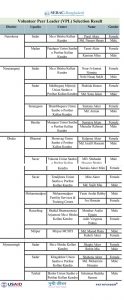
SERAC-Bangladesh has been selected and recruited 40 Volunteer Peer Leaders and station them at 20 AFHCs in Dhaka, Narayanganj, Mymensingh and Netrakona districts under Dhaka and Mymensingh divisions and to engage them with the adolescents friendly health centers (AFHC).
A call for application has been promoted over social media, online portal, SERAC website and local newspaper which has been processed by those in-charge of the recruitment process. A recruitment committee had been formed with 5 members who were responsible for the selection and recruitment of the VPLs. The job description contained the time period, responsibilities of the VPLs (organizing school based connectivity outreach events, organizing adolescents’ mobilization campaigns, attending monthly, quarterly, sub-national, and national advocacy meetings and other engagement events related to the project). The VPLs had been selected based on their previous experience of local community engagement/campaign arrangement, mobility & community geography knowledge, ability to communicate effectively in both online and offline meetings, access to technology/internet and their networking with the youths within the local area. After the completion of the recruitment process, all the 40 VPLs were invited for a short introductory meeting (online) to introduce them with each other and with the Shukhi Jibon team (SERAC-Bangladesh), to welcome and motivate them, to provide a short briefing their work followed by a Foundation training
#VPL #SERAC_Bangladesh #Shukhi_Jibon
Bangla Curriculum Link: প্রশিক্ষণ মডিউল এবং পাঠ্যক্রম..
English Curriculum Link: Volunteer Training Module & Curriculum..
A VPL Training Module and Curriculum has been developed called ‘Training Module and Curriculum for Volunteer Peer Leaders’ for providing soft skills training to the Volunteer peer leaders (VPL), instructions to collaborate with the service provider at the centers and run the field activities related to the projects.
For providing soft skills training (such as : interpersonal communication, organizing outreach campaigns, counseling on sexual reproductive health and mental wellbeing with young people, cooperation with service providers, weekly self-evaluation, monthly reporting and quarterly meetup) to the VPLs a curriculum or training module has been developed with the help of a consultant.
#VPL #SERAC_Bangladesh #Shukhi_Jibon
In Bangladesh, thousands of young people remain outside the formal school system—yet they are among the most vulnerable when it comes to accessing essential information about health, rights, and relationships. To bridge this gap, SERAC-Bangladesh conducted a pioneering SRH Evidence Generation Mini-Pilot on the impact of Comprehensive Sexuality Education (CSE) for out-of-school youth.
The findings are clear: when young people receive accurate, age-appropriate information in safe spaces, they gain the confidence to make informed decisions about their bodies, health, and futures. Participants in the pilot demonstrated improved knowledge of sexual and reproductive health (SRH), greater awareness of services, and a stronger sense of agency. Many expressed that CSE helped them challenge harmful social norms and better understand issues such as consent, gender equality, and preventing early marriage.
But the report also highlights critical gaps. Out-of-school youth often face barriers to SRH information due to stigma, lack of tailored programs, and limited policy focus. This makes them particularly vulnerable to misinformation, unsafe practices, and rights violations. By investing in targeted CSE interventions, policymakers and communities can ensure that no young person is left behind.
At SERAC-Bangladesh, we believe evidence like this is more than research—it is a roadmap. It shows that inclusive, participatory, and youth-friendly education is not only possible, but urgently needed. Our call is simple: let us expand CSE access beyond the classroom, so every young person—regardless of where they learn—can thrive.
Please find the full report here: APA SRHR Mini Report 3 SERAC


An Advocacy Meeting on Volunteer Peer Leader Recruitment at Adolescent Friendly Health Center has been arranged on May 25, 2021 at Conference Room of the Director (MCH services) and Line Director (MCRAH) with the presences of Director (MCH) and LD (MCRAH), Directorate General of Family Planning- Dr. Mohammed Sharif and other DGFP high officials, where shukhi jibon team members and SERAC team members were present there. The goal of the meeting The goal of the meeting was to recruit 2volunteers (1boy and 1girl) in each of the 20 adolescent friendly health centers designated in Dhaka, Narayanganj, Mymensingh and Netrokona and by conducting Adolescent friendly reproductive health awareness campaigns such as community mobilization campaigns and school campaigns in the nearest designated centers and schools.
SM Shaikat
A nice introduction of the project and warm welcome to all officials was added in the beginning of the meeting. A propose to appoint VPLs to the Adolescent Friendly Health Service Centers to create a friendly environment with a support by DGFP. The VPLs will also help to generate demands of these centers among the adolescents through organizing a total 800 community level adolescent mobilization campaigns and school based connectivity outreaches. This will inform parents, adolescents and other community stakeholders about the services available at the AFHS Centers. VPLs will work as an additional support to the staff of these centers.
Dr. Nurun Naher
The age difference of the adolescents and youths should be considered while recruiting the volunteer peer leaders and also the VPLs should be specified about the benefits about that they get. The project should also focus on building capacity of the community through Foundation Training and by arranging campaigns in schools and colleges. A monthly format should be created to document and monitor the experiences and progress of the volunteer peer leaders. A supporting hand from DGFP will provide ensuring the standard health services for adolescents.
Dr. Abu Jamil Faisal
Volunteer peer leaders can share information on Neonatal danger signs, Antenatal and Postnatal care, EPI through these campaigns which will help to increase their knowledge on MCH and Family Planning and create more job opportunities for them in this sector. VPLs can also share information in every union through the campaigns and also can document their experiences and stories as articles, blogs or write-up. As the whole world is depending on the technology, the VPLs should get connected with the union IT institute so that they can also connect adolescents in the centers more effectively.
Dr. Md. Monjur Hossain
A multi-tasking capacity development should be developed through the VPLs life-skill based education campaigns. Raising awareness among guardians and communities about the adolescents’ reproductive health issues also take in priority list for ensuring and promoting reproductive health services.
Sohrab Hussain
Proper documentation of the activities should be done on time to understand the progress of the centers and community mobilization as well as promoting DGFP hotline numbers through campaigns, social media platforms and in other possible ways. The initiative should also be tech based to make faster evaluation of the centers. In that case, multiple gateways along with their harmonization is needed to understand the better coordination among the DGFP officials, service providers and VPLs.
Dr. Jaynal Haque
An orientation meeting should be arranged with the Upazila and District officers, DGFP officials and the VPLs. Increasing the coverage of the services should be prioritized and strategies should be established to keep the volunteers engaged for a long time after the donor funding ceased. Before starting the program a letter should be submitted to the DGFP. The DGFP officials should be included in the monitoring and supervision of the activities performed by the volunteer peer leaders.
Tasnia Ahmed
A good feedback about services of the AFHS Centers was added, such as the service providers do follow up with the adolescents after providing services. But it is not always possible to maintain this follow up procedure in one hand with every adolescent’s visitor. The appointed VPLs can assist the service providers in this case. They will maintain the follow up sessions and encourage the adolescents to visit the centers continuously.
Dr. Mohammed Sharif
He chaired the meeting. It is important to engage the community and schools. The Monitoring of the volunteers must be performed properly. It is also necessary to ensure the sitting arrangements for the Volunteer peer leaders at the centers. End of the meeting, he ensured to support SERAC-Bangladesh to coordinate this, so a formal letter with requirements has to be submitted to the Directorate General of Family Planning.
#VPL #DGFP #SERAC_BAngladesh #Shukhi_Jibon
বাল্যবিবাহ একটি সামাজিক ব্যাধি যা কিশোর-কিশোরীদের ঘিরে দীর্ঘদিন ধরে চলে আসা সামাজিক মূল্যবোধ ও অসম অবস্থানকে প্রতিফলিত করে। যেখানে বাংলাদেশে উঠতি বয়সের কিশোর-কিশোরীদের অনেক সময়ই আর্থিক বোঝা হিসাবে দেখা হয়, সেখানে সিরাক-বাংলাদেশ তরুণ-তরুনীদের স্বাবলম্বী করার পাশাপাশি তাদের জন্য নীতি-নির্ধারনীমূলক স্থানে তাদের অর্থবহ অংশগ্রহনের দৃষ্টান্ত সৃষ্টির চেষ্টা করে যাচ্ছে।
কিশোরীদের অল্প বয়সে গর্ভধারণ, পুষ্টিহীনতাসহ নানা স্বাস্থ্যগত জটিলতার অন্যতম কারণ বাল্যবিবাহ। এ ক্ষেত্রে ঝুঁকি এড়াতে কিশোর-কিশোরীদের কাছে পরিবার পরিকল্পনার সেবা ও তথ্য এবং বাল্যবিবাহের ভয়ঙ্কর পরিণতির বিষয়টি জানানো খুবই জরুরি। বাংলাদেশ সরকার গুরুত্ব সহকারে মাঠ পর্যায়ে বাল্যবিবাহ থামাতে নানামুখী উদ্যোগ গ্রহণ করলেও ভুয়া জন্মসনদ আর কতিপয় অসাধু কাজীর কারচুপির সাহায্যে অভিভাবকেরা অনায়াসে বিয়ে দিচ্ছেন। ধরা পড়লে সাজা হচ্ছে কিন্তু বিয়ে হয়ে গেলে তা বাতিল হচ্ছে না। এমন প্রেক্ষাপটে বাল্যবিবাহ প্রতিরোধের বিকল্প নেই। তবে এ সংক্রান্ত তথ্যগুলো যারা দেবেন, তাদেরকে হতে হবে কৈশোর-বান্ধব। এ ক্ষেত্রে শুধু বিবাহিত নয় বরং সব কিশোর-কিশোরীর ওপর জরিপ করতে হবে, মেয়েরা লেখাপড়া করলে কী করতে পারবে, পরিবার কী সুবিধা পাবে, জানতে হবে তারা কী চায়, কীভাবে চায় এবং বাল্যবিবাহ নিয়ে তাদের ধারণা কী।
সরকারের উদ্যোগের পাশাপাশি সিরাক-বাংলাদেশ এর ‘প্রচেষ্টা’ প্রকল্পের মাধ্যমে অসঢ়ষরভুঈযধহমব এর সহযোগীতায় ময়মনসিংহ জেলার ৪টি উপজেলার (সদর, ত্রিশাল, গৌরীপুর, ও মুক্তাগাছা) ১৫টি করে মোট ৬০টি বিদ্যালয়ে কিশোর-কিশোরীদের ক্ষমতায়নের পাশাপাশি বাল্যবিবাহ ও যৌন-সহিংসতা নিরোধ এবং নারী ও কিশোরীদের দক্ষতা বৃদ্ধিকল্পে ২০১৫ সাল থেকে কার্যক্রম বাস্তবায়ন করে যাচ্ছে। উল্লেখ্য, কোভিড-১৯ এর মহামারী সময় ও মহামারী উত্তরকালীন সময়ে জেলায় বাল্যবিবাহ রোধে যেকোনো পদক্ষেপ গ্রহণে সিরাক-বাংলাদেশ তথ্য-প্রযুক্তি ভিত্তিক অর্থাৎ প্রয়োজনীয় ইন্টারনেট সংযোগ সরবরাহ করে উক্ত ৪টি উপজেলার প্রত্যন্ত অঞ্চলের ১৫০০ জন শিক্ষার্থীর মধ্যে সচেতনতামূলক বিভিন্ন প্রশিক্ষণের ব্যবস্থা করেছে। যাতে করে কিশোর-কিশোরীদের স্বাস্থ্য অধিকার সম্পর্কে তাদের মতামত মূল্যায়ন করা যায় এবং বাল্যবিবাহের বিরুদ্ধে উল্লেখযোগ্য প্রতিরোধমূলক ব্যবস্থা গ্রহণে সহায়তা করা যায়।
উক্ত বুকলেটটি বাল্যবিবাহের বর্তমান ব্যবস্থা, সামাজিক মূল্যবোধ ও করনীয় সম্পর্কে ধারনা দিবে।
Gouripur Booklet: Gouripur_Youth Efforts to Prevent Child Marraige
Muktagacha Booklet: Muktagacha_Youth Efforts to Prevent Child Marraige
Sadar Booklet: Sadar_Youth Efforts to Prevent Child Marraige
Trishal Booklet: Trishal_Youth Efforts to Prevent Child Marraige

Academic institutions, research organizations, NGOs, youth organizations, regional and international organizations are strongly invited to submit proposals on sessions/workshops at the BNYCFP2018 coordinating with the conference themes and topics.
The proposals should be based on their relevance to the key conference themes:
- Addressing Youth -Adolescent Needs and Involvement in Sexual and Reproductive Health and Rights advocacy and programs
- Advancing Family Planning & Sexual and Reproductive Health and Rights through Youth Organizations
- FP2020 Progresses and Challenges
- Youth Access to Reproductive Health Commodities and demand generation
- Youth Friendly Sexual and Reproductive Health services
- Policy and legal barriers around access to Family Planning and youth role in advocacy with multipartite stakeholders.
Instructions for submitting a session/workshop:
| 1. | Authors should submit an session outline via the session submission page online.
Organizations will be asked to classify their submissions to one of the five conference themes. |
| 2. | All submissions must be written in English. Session titles proposed for may be negotiated after selection. |
| 3. | Proposals must include a clear description of the topic, methods and expected outcomes. |
| 4. | Organizations proposing a session/workshop should do so with the intention to attend the conference. Presenters are expected to cover their own registration fee, travel and other costs. |
| 5 | You may submit up to two sessions. Please note, the costs associated with the sessions must be borne by the proposing organization. It will be finalized through a negotiation process after selection of the session. |
Session submission link:
Deadline for submission: 4th November, 2018 (11.59 pm Bangladesh time)
Session proposals will be reviewed by the following criteria:
Originality, contained significant innovation 20%
Quality, Significantly advanced evidence base for addressing family planning and SRHR needs 25%
Importance, Directly addressed key themes for conference 25%
Methodology, Clear and youth friendly methodology 30%
For further queries: bnycfp2018@serac-bd.org

According to the Office of the UN High Commissioner on Human Rights, the many challenges to gender equality that women face throughout their lives, the area of women’s sexual and reproductive health remains one of the most contested, and is among the fields in which women are facing the biggest backlash. Women face many obstacles to access to Safe MR, including the unaffordability and inaccessibility of services due to geographic and information barriers, poor quality of services and conscientious objection. Conscientious objection, in particular, cannot be a basis for denying women access to Safe MR and the states need to regulate the procedure to secure accessibility of MR.
Furthermore, the over medicalization of MR procedures is another issue of concern, particularly in cases of use of pharmacological drugs (medical MR). Women should be enabled to use medical MR in more private settings while having access to health service providers in cases of complications in line with the WHO guidelines.

Unsafe MR is among the leading causes of death for pregnant women. Restrictive MR laws endanger lives of women and imposes hardship on them, therefore the claim often made by opponents of MR that their stance is “pro-life” is misleading. It is known that in countries where termination of pregnancy is restricted by law and/or otherwise unavailable, safe termination of pregnancy is a privilege of the rich, while women with limited resources have little choice but to resort to unsafe providers and practices. WHO data has clearly demonstrated that criminalizing termination of pregnancy does not reduce the number of women who resort to MR procedures. Rather, it is likely to increase the number of women seeking clandestine and unsafe procedures. Countries where women have the right to terminate an unwanted pregnancy and are provided with access to information and to all methods of contraception have the lowest rates of MR.


September 28 is observed as the International Safe Abortion Day to mark women’s rights on their own body, and autonomy on their health and well-being through accessing safe MRrights and services across the globe.

SERAC-Bangladesh, a member of Inroads global movement organized a discussion meeting in it Mymensingh office on Friday with youth advocates to raise issues around stigma and taboos that hinder youth to access safe menstrual regulation services. SERAC-Bangladesh Executive Director SM Shaikat, Program Director Shahina Yasmin, and Divisional Coordinator Mizanur Rahman Akanda spoke at the meeting while youth representatives from the city were present. Participants including Riad Al Hasan, Iffat Jahan Koli, Rohan and others remarked equitable access to menstrual regulation services is human rights and it must be provided with friendly manner at all service facilities across the country.