
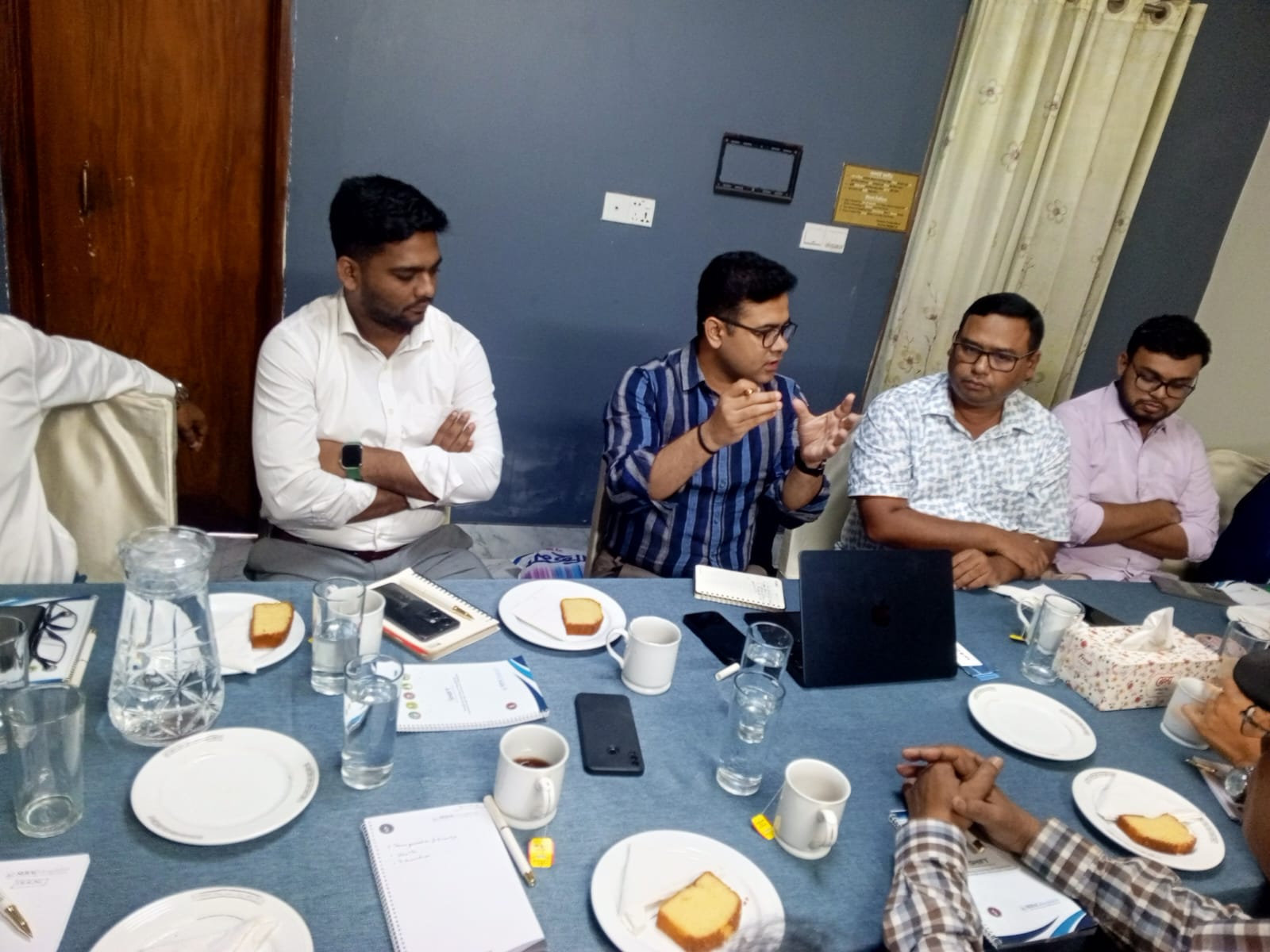
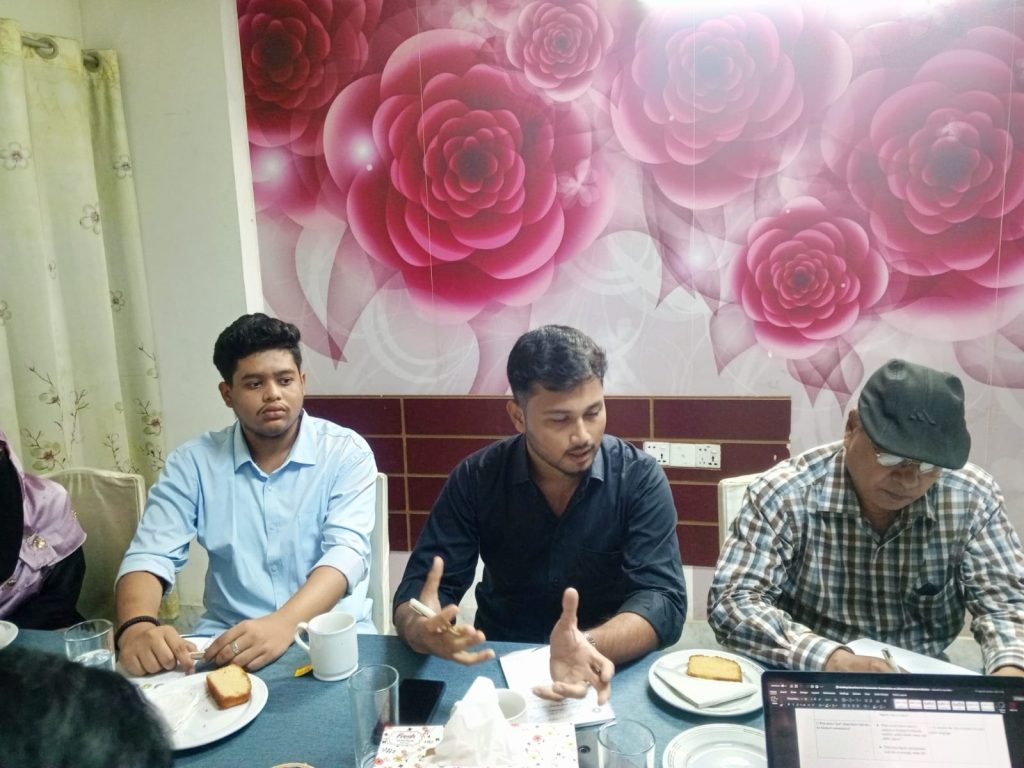
A Stakeholder Consultation on Climate Resilience in Khulna was recently held as a Focus Group Discussion (FGD), bringing together academics, journalists, representatives from local organizations, and volunteers to reflect on climate change and its impacts on local communities. The consultation created a shared platform for dialogue on the growing climate challenges facing Khulna and the need for more inclusive, community-centered approaches to urban resilience.
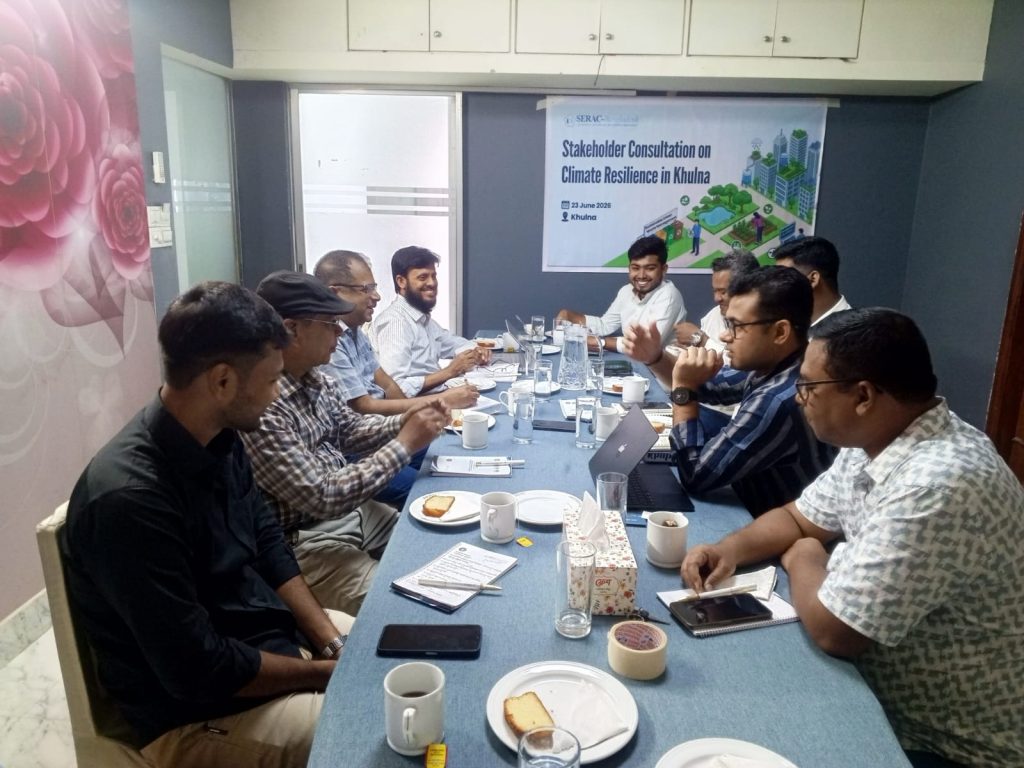
Participants included representatives from SEIAM, Biozid Climate Institute, APOS Youth Organization, Rupantar, KUET, Tetra Water for Life, and volunteers, whose diverse perspectives enriched the discussion with local knowledge, academic insight, and practical experience from the field.
The discussion focused on the multiple transitions already taking place in Khulna, including flooding, salinity intrusion, heat stress, displacement, shifting livelihoods, and broader urban challenges. Participants reflected on how these changes are affecting the everyday lives of different communities and deepening existing inequalities, particularly for people living in vulnerable conditions.
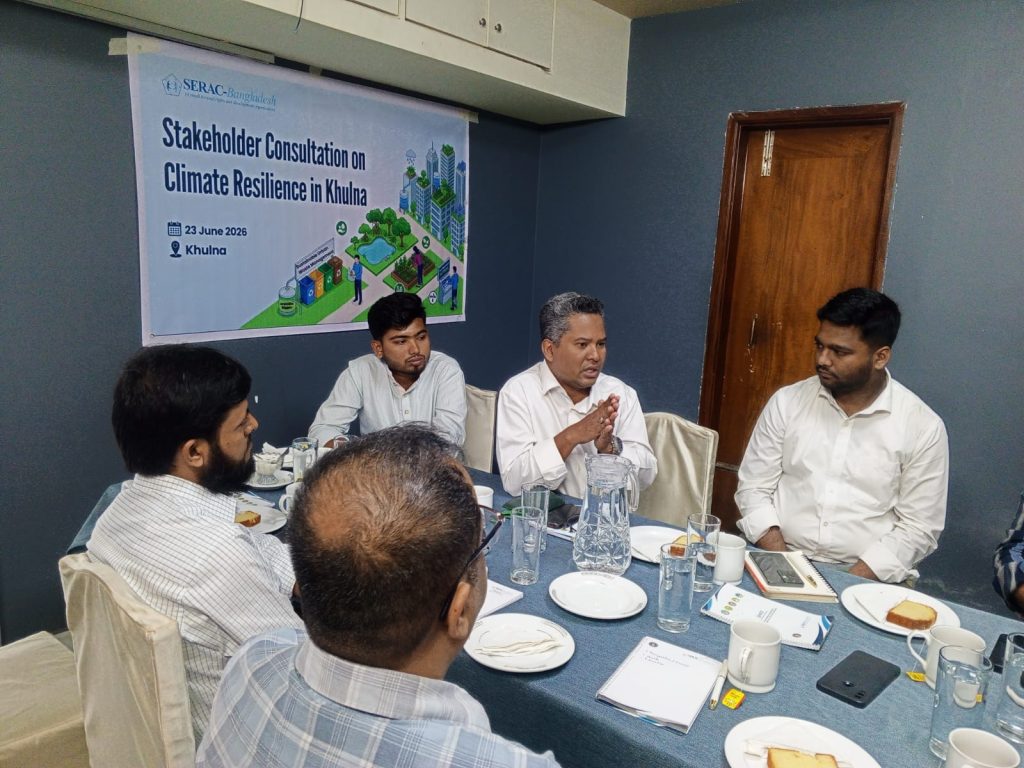
A central theme of the consultation was the idea of a just and resilient urban future for Khulna. Participants explored what justice means in the context of climate resilience, especially for women, youth, workers, street children, and other marginalized groups who are often the most affected by environmental and social risks. The discussion emphasized that climate resilience must go beyond infrastructure and policy planning to include dignity, inclusion, and equitable access to services, opportunities, and decision-making spaces.
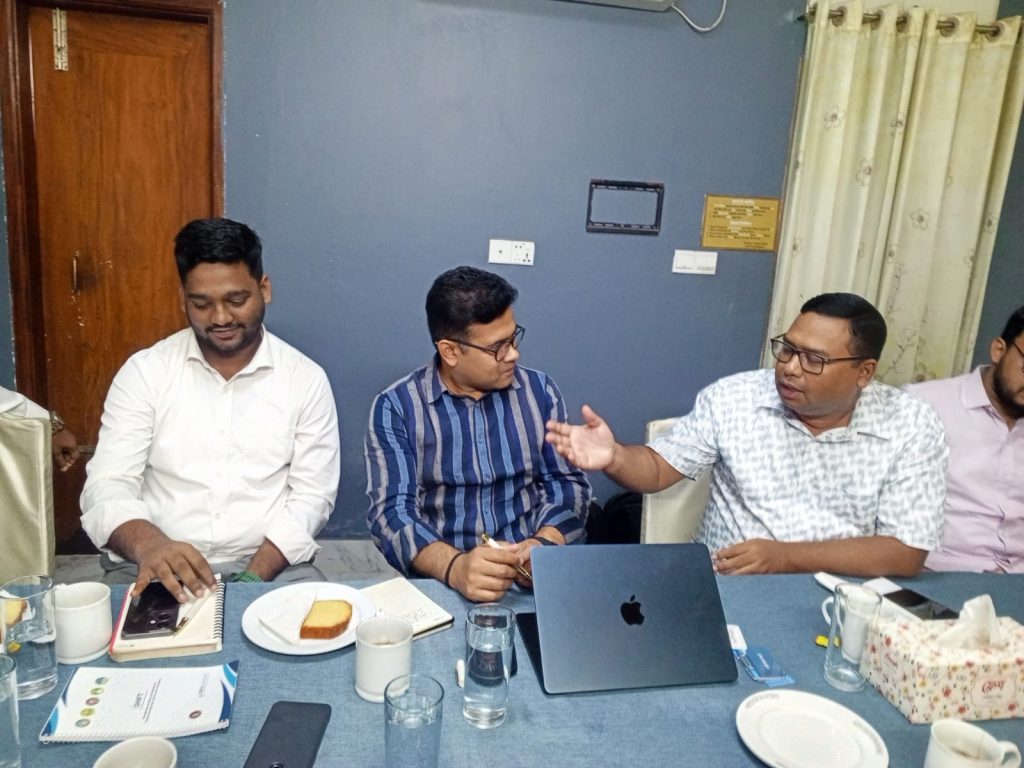
One of the key takeaways from the consultation was the need to recognize communities not only as populations affected by climate change, but also as active solution providers. Participants highlighted how local communities are already responding to urban and climate challenges through lived knowledge, local practices, and collective action. However, these contributions are often overlooked in formal planning and policy spaces.
The consultation also underscored the importance of inclusive decision-making, community-led action, stronger partnerships, and locally grounded approaches to climate resilience. Building a just urban future for Khulna will require stronger collaboration among community groups, youth leaders, civil society organizations, academic institutions, and local stakeholders to ensure that those most affected by climate change are meaningfully included in shaping the city’s future.
As climate risks continue to intensify, discussions like this are essential to ensure that resilience efforts are not only effective, but also equitable. The Stakeholder Consultation on Climate Resilience in Khulna reaffirmed that the path toward a climate-resilient city must also be a path toward justice, participation, and shared responsibility.