
Create. Connect. Catalyze: Amplifying Youth Voices for a Healthier and More Inclusive Bangladesh
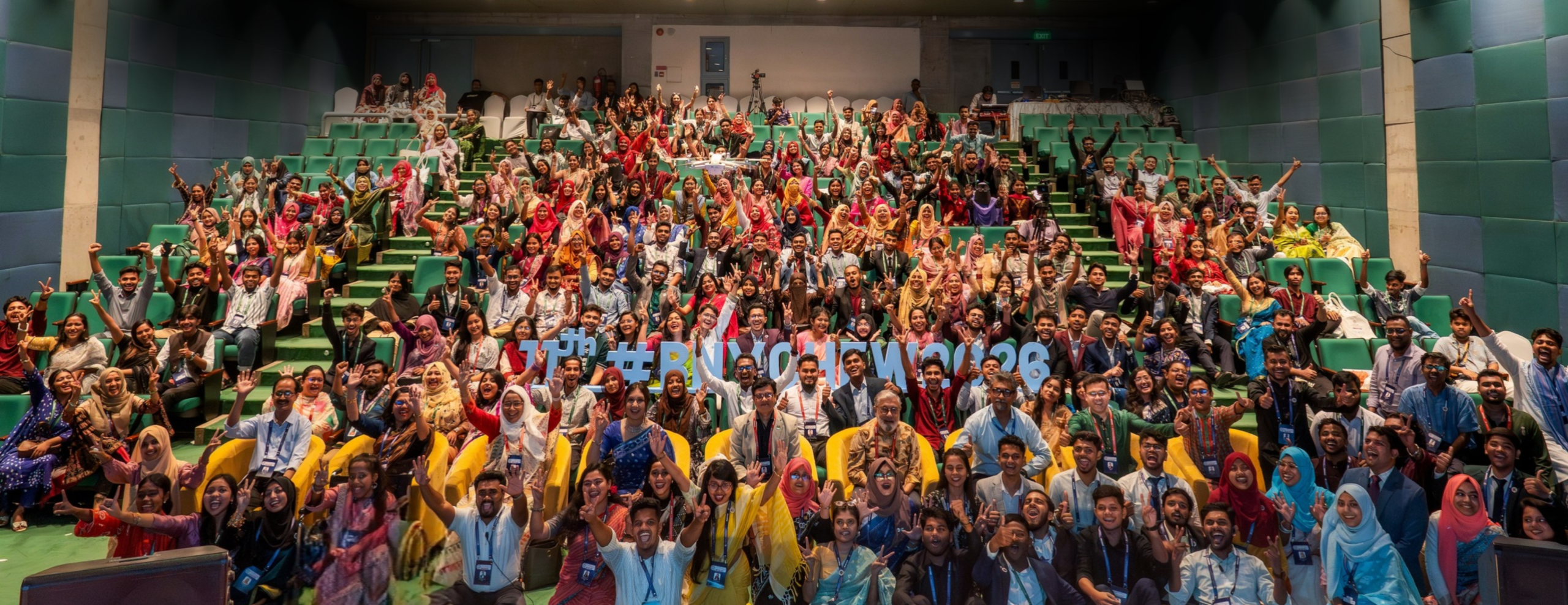
The Bangladesh 11th National Youth Conference on Health and Family Welfare 2026 took place on October 14, 2026, at the Liberation War Museum in Agargaon, Dhaka. Under the theme “Create. Connect. Catalyze.”, the conference provided a national platform for advancing youth leadership, cross-sectoral collaboration, and meaningful youth engagement across key health and family welfare priorities.
The conference focused on a broad range of issues affecting young people and communities, including mental health, family planning and sexual and reproductive health and rights (SRHR), gender equality, nutrition and non-communicable diseases (NCDs), digital health and safety, climate and health resilience, health governance, and the localization of the Sustainable Development Goals (SDGs).
Building on a legacy of national youth conferences initiated in 2016, BNYCHFW 2026 was convened by SERAC-Bangladesh, in collaboration with the Directorate General of Family Planning, Directorate General of Health Services, Plan International Bangladesh, Marie Stopes Bangladesh, Share-Net Bangladesh, Youth Coalition for Climate Justice (YCCJ), Coalition of Youth Organizations in Bangladesh (CYOB), and a broad network of health and development stakeholders.
The conference brought together more than 500 young leaders, alongside government representatives, civil society organizations, development partners, public health experts, and international speakers. Through dialogue, knowledge exchange, networking, and collaborative action, BNYCHFW 2026 strengthened the role of young people in shaping health policies, influencing decision-making, and developing solutions for a healthier, more equitable, and inclusive Bangladesh.
Opening the Conference: A Call for Youth Leadership
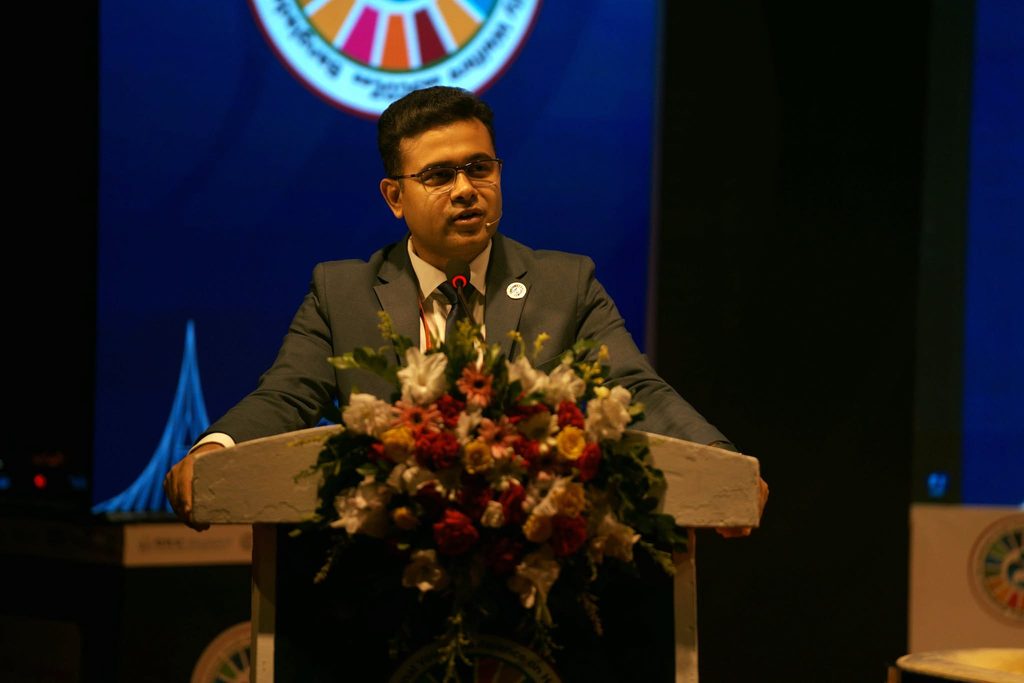
The conference formally opened with a Welcome Address by S M Shaikat, Conference Secretary General of BNYCHFW 2026 and Executive Director of SERAC-Bangladesh.
The opening address emphasized a clear ambition: every young person should have the opportunity to live a healthy, safe, dignified and fulfilling life, while having a meaningful role in decisions that affect them.
The urgency of that ambition was reinforced by national data. According to the Bangladesh Demographic and Health Survey (BDHS) 2022, 24 percent of girls aged 15–19 had either already given birth or were pregnant with their first child, compared with 31 percent in 2014. While the decline represents progress, the figure also highlights the continued need for effective action on adolescent health, early pregnancy and access to appropriate services.
Similarly, data from BBS and UNICEF’s Multiple Indicator Cluster Survey (MICS) 2025 showed that 47.2 percent of women aged 20–24 had been married before reaching age 18. The same survey found that only 30.8 percent of women aged 15–49 had known about menstruation before their first period. These realities underline the importance of preventing child marriage, strengthening age-appropriate health education and ensuring adolescent-friendly health services.
Behind every statistic, the opening address reminded participants of real people, their education, their choices and their futures. This perspective became an important thread throughout the day’s discussions: policies and programs must ultimately respond to the lived experiences and practical needs of young people.
From Youth Population to Youth Power
A central message of BNYCHFW 2026 was that young people should not be viewed simply as beneficiaries of health and development programs. They are also partners, leaders, advocates, innovators, and agents of change.
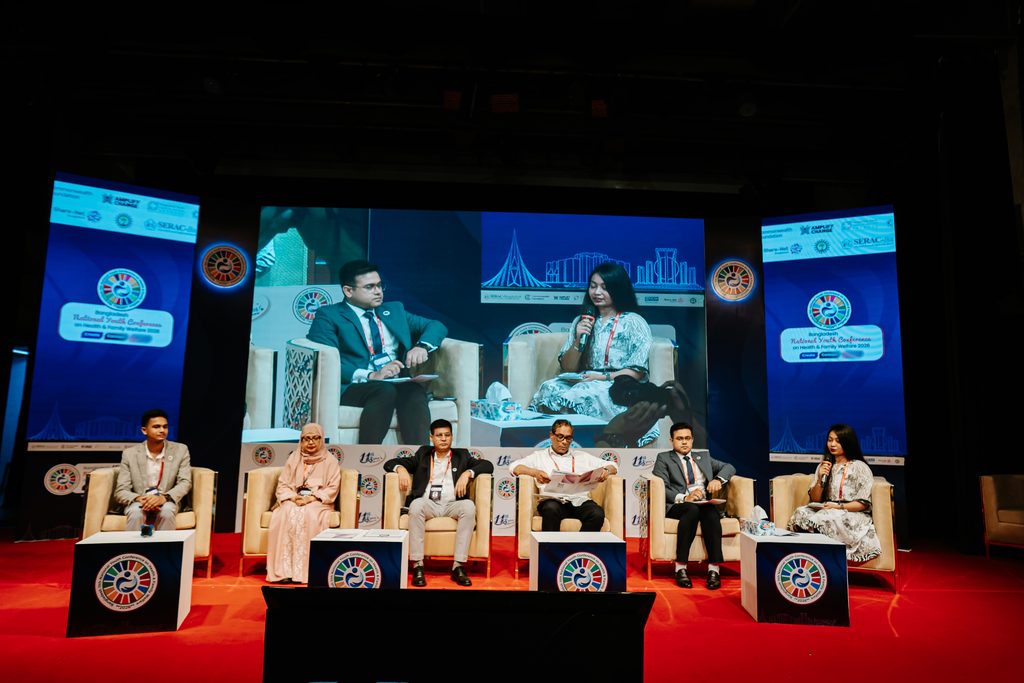
The opening dialogue, “From Youth Population to Youth Power: Shaping Bangladesh’s Health Future,” brought together policymakers, public health experts, and young representatives to explore how Bangladesh can transform its youth population into a driving force for national health and development.
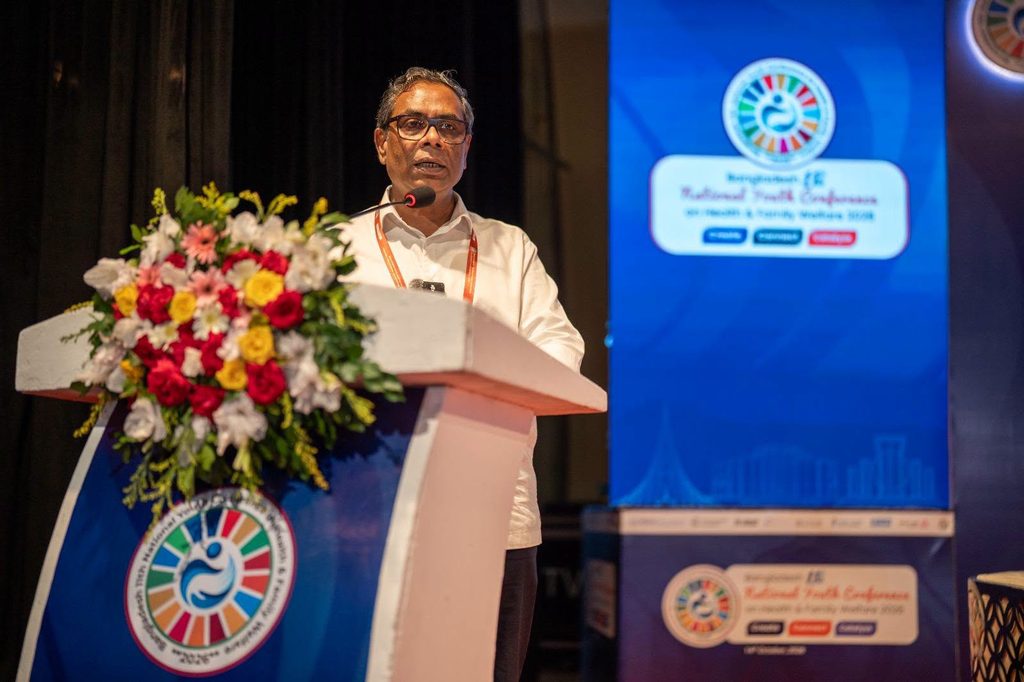
Chief Guest Prof. Dr. M A Muhit, Hon’ble State Minister, Ministry of Health and Family Welfare, emphasized the importance of evidence-based policymaking, accessible sexual and reproductive health and rights services, psychosocial support, and translating youth ideas into government action.
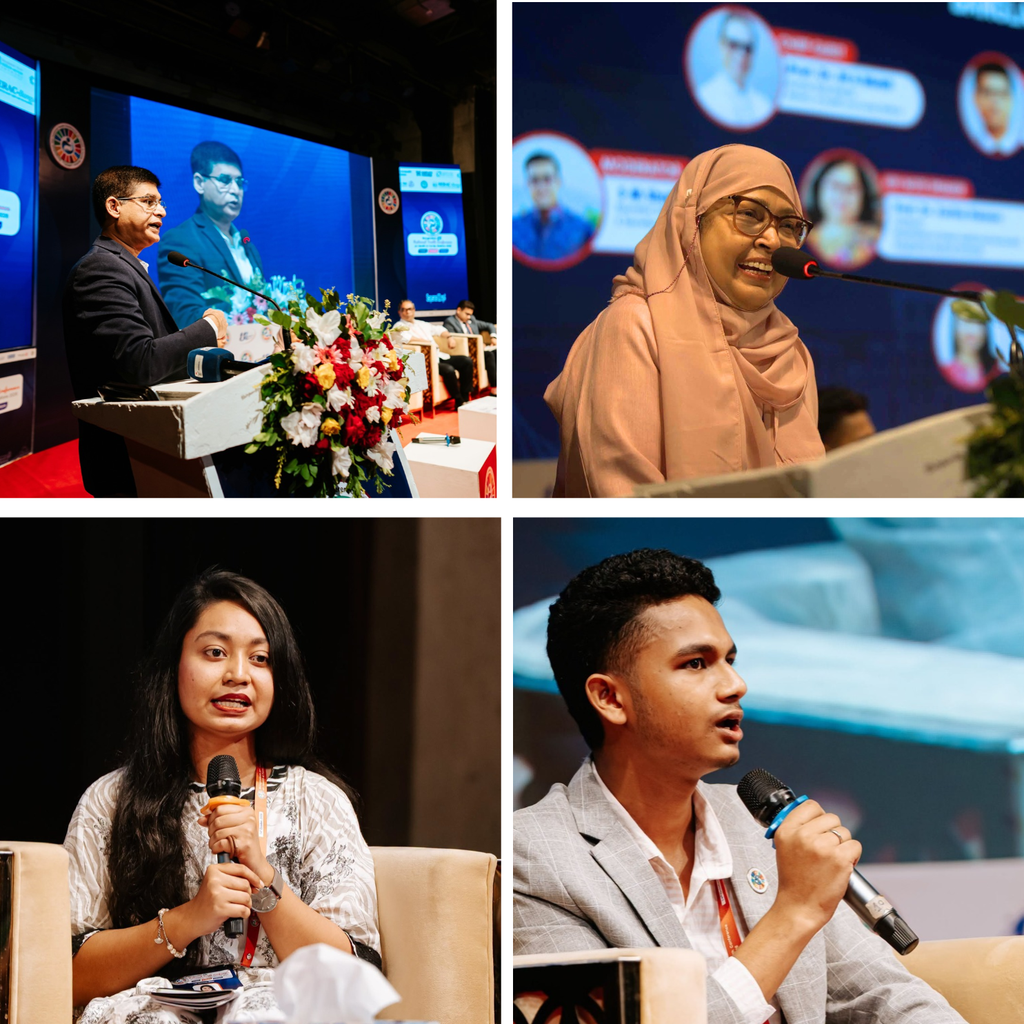
Special Guest A K M Benjamin Riazi, Secretary, Medical Education and Family Welfare Division, highlighted the importance of holistic health, meaningful youth participation in policymaking, and stronger adolescent and family health services.
Keynote Speaker Prof. Dr. Fariha Haseen, Chairman, Department of Public Health and Informatics, Bangladesh Medical University, called for transforming youth potential into national strength through leadership, mental health support, gender equality, climate resilience, and digital safety.
The session also brought forward the voices of young people. Youth Speaker Atika Rahman Chowdhury and Adolescent Speaker Md. Abdullah Al Mahmud highlighted the importance of preventing child marriage and domestic violence, protecting women’s and children’s rights, and ensuring accessible and adolescent-friendly healthcare.
Moderated by S M Shaikat, Executive Director of SERAC-Bangladesh, the discussion reinforced the need to connect young people’s perspectives with public policy and to strengthen coordination between government and non-government stakeholders.
Our Health, Our Rights: Making Youth-Friendly Care a Reality
Access to healthcare is not only about availability. It is also about rights, dignity, privacy, confidentiality, informed choice, inclusion, and respectful treatment.
The plenary session “Our Health, Our Rights: Making Youth-Friendly Care a Reality” explored how health systems can become more responsive to the needs and realities of young people.
The session featured Dr. ASM Amjad Hossain, Associate Director, Eminence Associates for Social Development; Khaleda Yasmin, Director – Health and Gender, RedOrange; Prof. Dr. Md. Anower Hussain, Dean, School of Health Sciences and Chairman, Department of Public Health, State University of Bangladesh; and Prof. Dr. Kamal Uddin Ahmed Chowdhury, Professor, Department of Clinical Psychology, University of Dhaka.
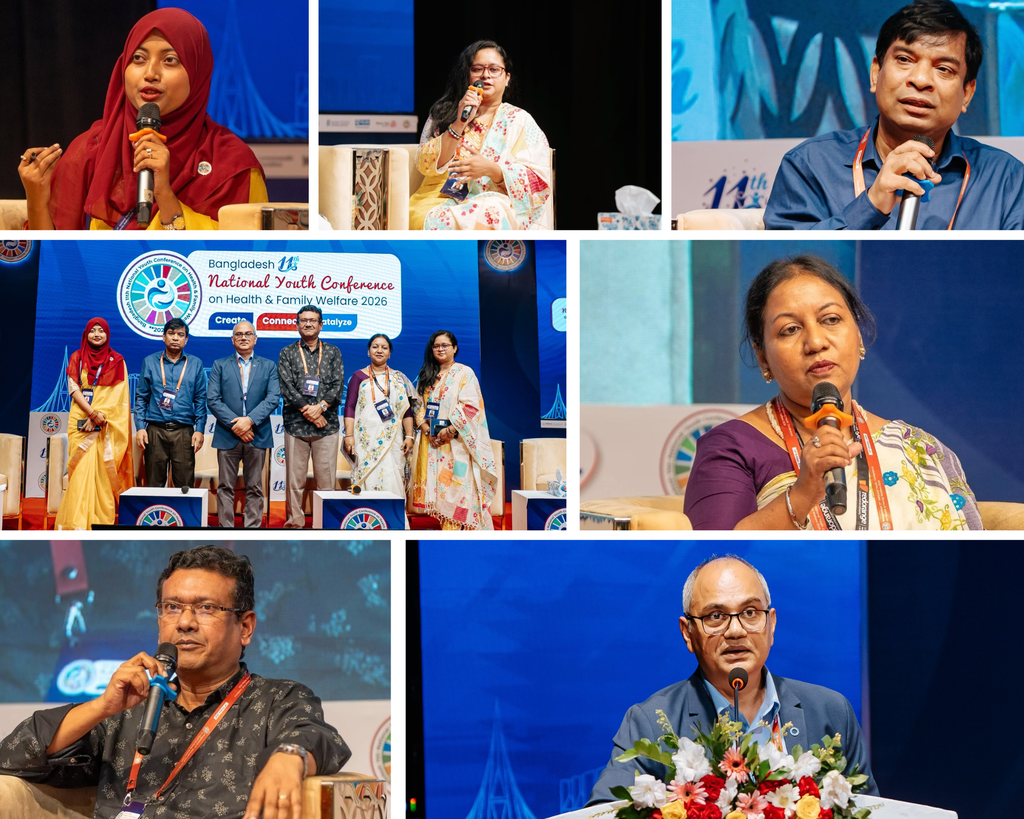
Youth Speaker Rokeya Akther Sinthiya, Dietitian at Dr. Jhumu Khan’s Laser Medical Centre, shared a youth perspective, while Lutfa Pathan, Project Manager, SERAC-Bangladesh, moderated the session.
Speakers emphasized that youth-friendly healthcare must address physical and mental well-being, gender-based discrimination, and barriers faced by marginalized communities. They called for evidence-based policies, accessible and respectful services, early awareness of gender equality, and meaningful youth participation.
The session underscored a simple but fundamental principle: every young person should have access to accurate information and quality healthcare in an environment where their rights and dignity are respected.
The Mind Matters: Behind the Screen, Beyond the Silence
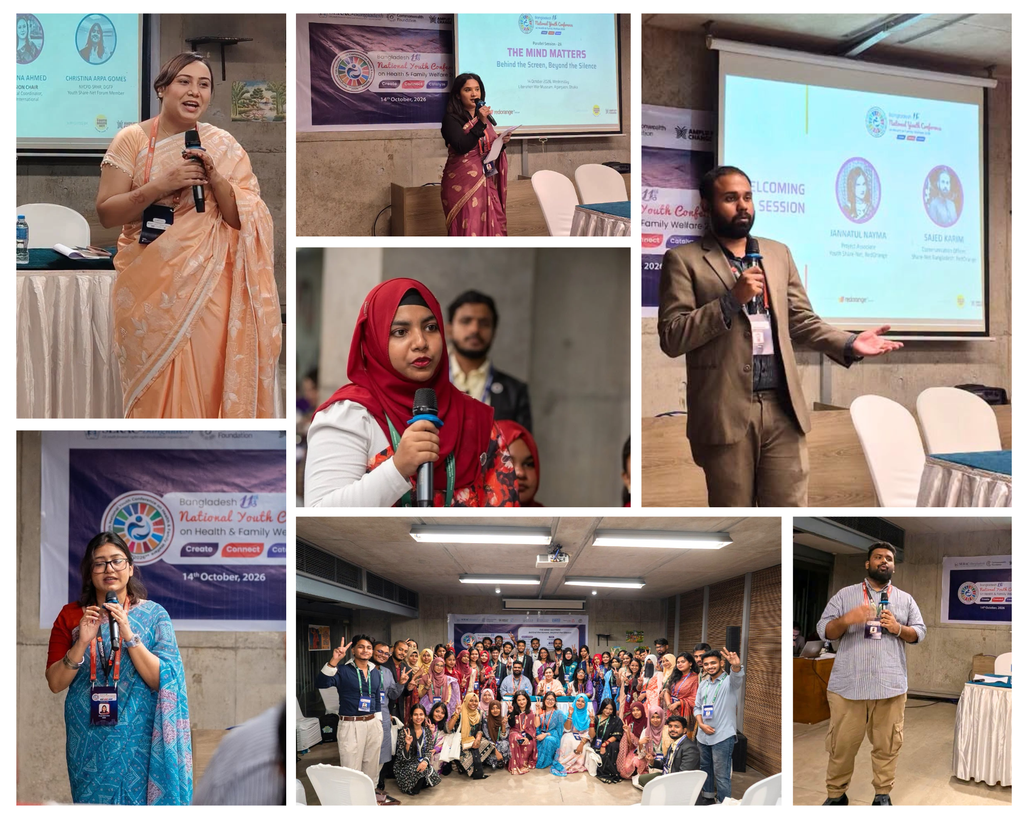
Young people’s lives are increasingly connected to digital spaces. While technology can create opportunities for learning, connection, and expression, it can also expose young people to harassment, discrimination, misinformation, and other forms of online harm.
The session “The Mind Matters: Behind the Screen, Beyond the Silence” explored the relationship between technology, mental well-being, online harassment, gender-based discrimination, and safe digital spaces.
Held under the Youth ShareNet Project, funded by AmplifyChange and supported by RedOrange, the session highlighted how online violence can affect mental health, relationships, and young people’s sense of belonging.
Participants emphasized that digital safety requires collective responsibility. Awareness alone is not enough; meaningful action is needed to create environments where young people can participate online without fear of harassment or discrimination.
The session reinforced a powerful message: young people deserve to feel safe, heard, respected, and supported both online and offline.
Climate Circle: Climate Ready, Health Secure
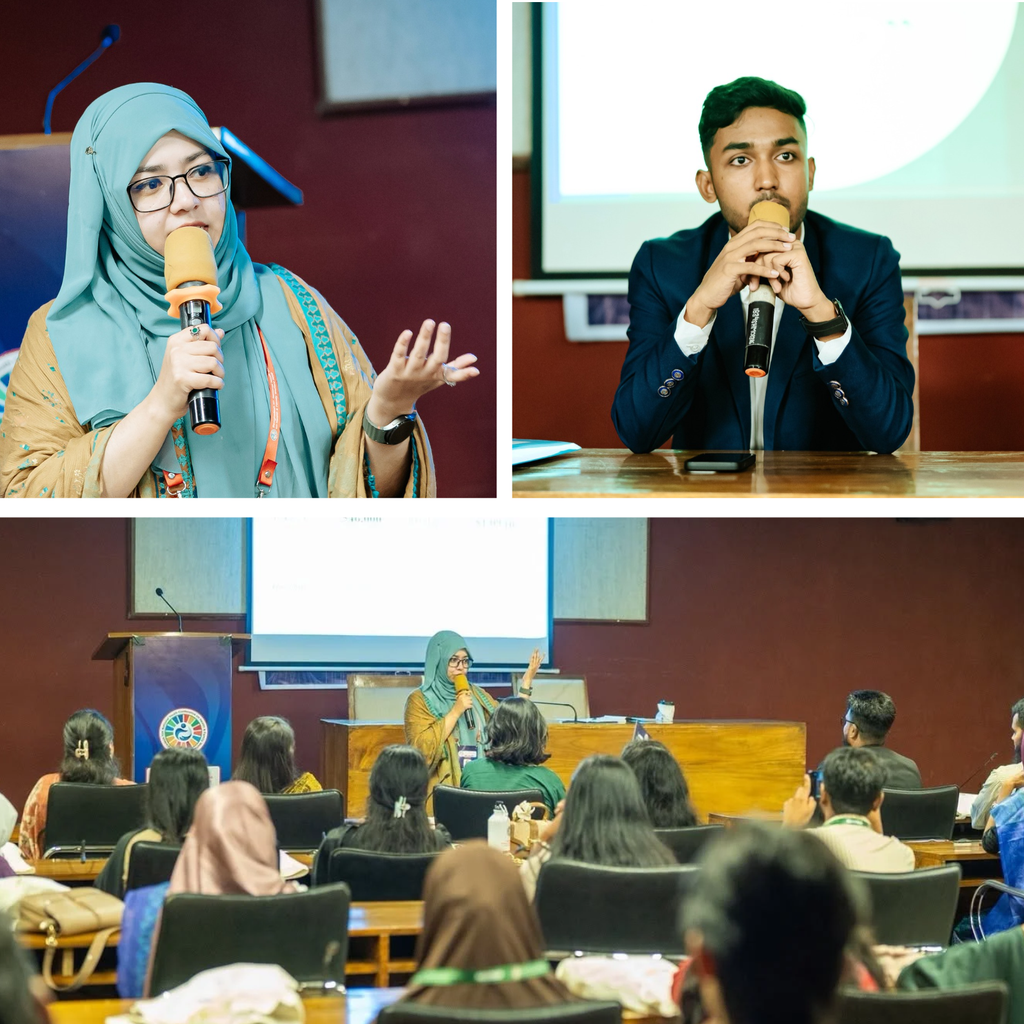
Climate change is increasingly affecting the conditions in which people live, work, and maintain their health. For young people and vulnerable communities, environmental changes can create significant public health challenges.
The Climate Circle, titled “Climate Ready, Health Secure – Youth Action for Resilient Communities,” explored the growing relationship between climate change, environmental challenges, and public health.
Rubaya Nasrin Shejuti, Senior Lecturer, Department of Environmental Science and Disaster Management, Daffodil International University, highlighted the public health impacts of climate change, including extreme heat and air pollution, as well as the risks faced by vulnerable communities.
Moderated by Md. Yeasin Rahman, a student at Southeast University, the session encouraged young people to move beyond awareness and engage in practical solutions.
Participants explored a framework built around four interconnected actions:
Understand. Prepare. Act. Sustain.
Through this approach, young people were encouraged to contribute to climate justice, strengthen community resilience, and protect public health in a changing climate.
Connected and Protected: Digital Wellbeing, Rights and Responsible AI
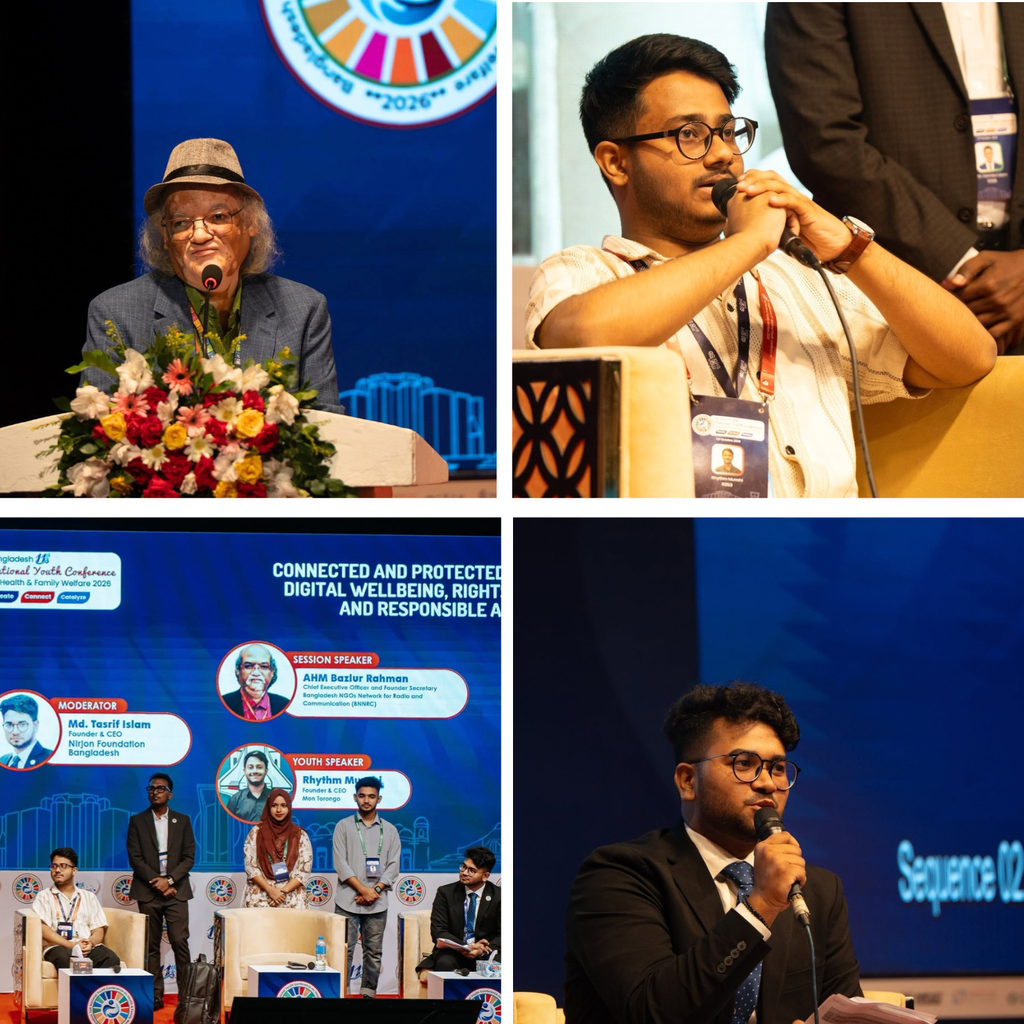
As artificial intelligence and digital technologies become increasingly influential in everyday life, young people need both the skills to navigate the digital world and the safeguards necessary to protect their rights.
The session “Connected and Protected: Digital Wellbeing, Rights and Responsible AI” examined the opportunities and challenges young people face in an increasingly digital society.
AHM Bazlur Rahman, Chief Executive Officer and Founder Secretary of Bangladesh NGOs Network for Radio and Communication (BNNRC), and Rhythm Munshi, Founder and CEO of Mon Torongo, discussed digital literacy, responsible artificial intelligence, mental health support, misinformation, online harassment, and technology-facilitated gender-based violence.
The session was moderated by Md. Tasrif Islam, Founder and CEO of Nirjon Foundation Bangladesh.
The discussion emphasized the importance of protecting digital rights, strengthening digital literacy, and creating safer and more inclusive online environments.
A key takeaway was that technology should ultimately empower young people, safeguard their rights, and contribute to their well-being rather than create new forms of exclusion or harm.
Connected Voices, Collective Power: Youth in Action
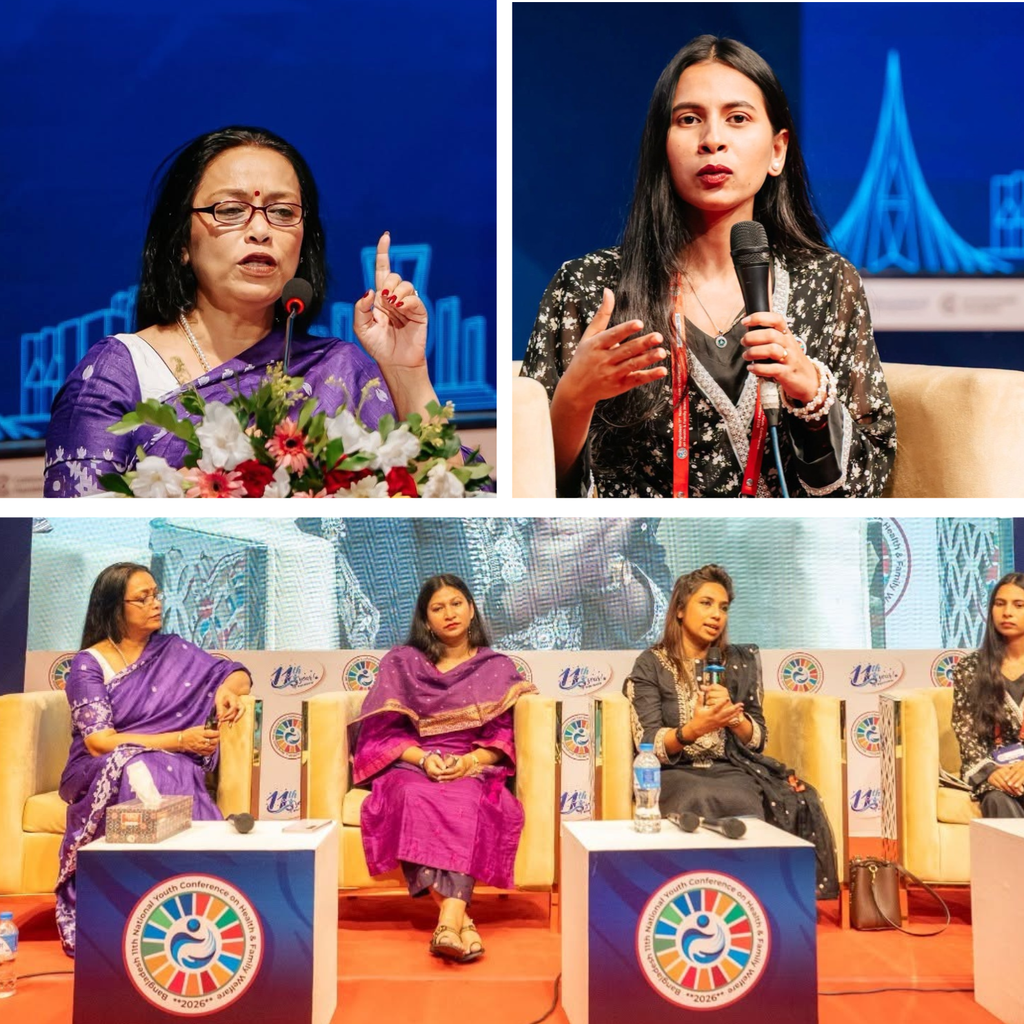
Meaningful youth participation also depends on how health and social issues are communicated to the wider public.
The session “Connected Voices, Collective Power: Youth in Action” explored responsible communication, media engagement, and youth participation in addressing sensitive health and social issues.
Dr. Suraiya Bulbul, Consultant at Dhanmondi Premium Maternity, and Jeniya Kabir Shuchona, Senior Reporter at Channel 24, shared perspectives on responsible media coverage, survivors’ privacy and dignity, child protection, and stigma surrounding menstruation and reproductive health.
Youth Speaker Sapna Rani Mondol, Community-Based Mobilizer at SERAC-Bangladesh, shared a community-level perspective.
The session was moderated by Monjun Nahar, AGM, Partnership and Fundraising, Marie Stopes Bangladesh.
The discussion highlighted the need to challenge gender stereotypes, break SRHR-related taboos, raise public awareness, and ensure meaningful youth participation in advocacy and policymaking.
It also reinforced the responsibility of media professionals, institutions, and communities to communicate sensitive issues ethically while protecting the dignity, privacy, and rights of individuals.
Bridging Policy, Services and Lived Realities
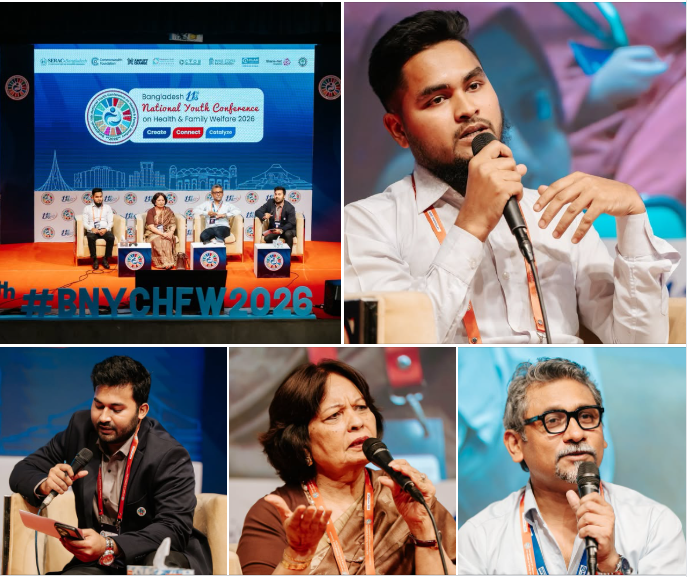
Policies and strategies can only create meaningful change when they translate into services that young people can access and trust.
The session “Health and Family Planning Systems for Young People: Bridging Policy, Services and Lived Realities” examined the gaps between health policies and young people’s real-life experiences in accessing adolescent-friendly healthcare and sexual and reproductive health and rights services.
The discussion featured Dr. Halida Hanum Akter, Public Health Expert and Senior Advisor for Gender and SRHR; Syed Md. Nuruddin, Advisor, SRHR Programme, Plan International Bangladesh; and youth speaker MD Boni Amin, Volunteer Peer Leader from Barguna.
Moderated by Abdullah Al Miraj of Daily Kaler Kantho, the session identified several barriers to adolescent-friendly healthcare, including concerns around privacy and confidentiality, respectful treatment, limited access to comprehensive sexuality education, and challenges in accessing appropriate health services.
The speakers also emphasized the importance of preventing child marriage and improving the quality and accessibility of SRHR services for young people.
The discussion called for stronger collaboration among healthcare providers, parents, communities, policymakers, and young people. It also reinforced the importance of meaningful youth participation in developing policies and services that reflect young people’s needs, experiences, and realities.
Healthy Futures Start Young: Nutrition, NCD Prevention and Primary Care
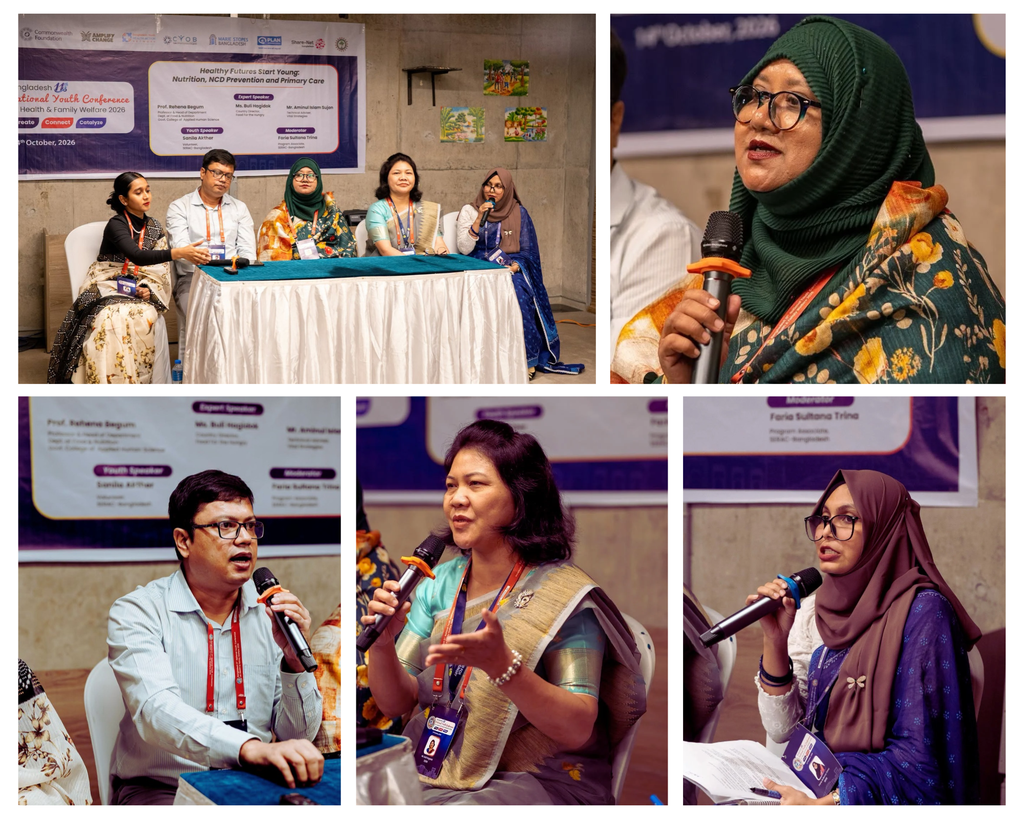
Building a healthier future also requires investment in prevention.
The session “Healthy Futures Start Young: Nutrition, NCD Prevention and Primary Care” explored the importance of healthy lifestyles and early prevention in addressing non-communicable diseases and strengthening community health.
Speakers included Aminul Islam Sujon, Technical Adviser, Vital Strategies; Buli Hagidok, Country Director, Food for the Hungry; and Prof. Rehena Begum, Professor and Head of the Department of Food and Nutrition, Government College of Applied Human Science.
Youth Speaker Sanila Akther, Volunteer at SERAC-Bangladesh, shared a young person’s perspective, while Faria Sultana Trina, Program Associate, SERAC-Bangladesh, moderated the session.
The discussion covered tobacco control, balanced nutrition, healthy eating habits, physical activity, and adequate sleep. Speakers emphasized challenging harmful misconceptions around maternal and child nutrition, promoting healthier food choices, and ensuring tobacco-free educational institutions and public spaces.
Young participants also highlighted the importance of family awareness, access to playgrounds and exercise facilities, and youth-led campaigns to promote healthier lifestyles.
The session demonstrated that preventing future health problems begins with empowering people – especially young people – with knowledge, supportive environments, and opportunities to make healthier choices.
Rethinking SRHR and Family Planning: Financing Access, Improving Quality
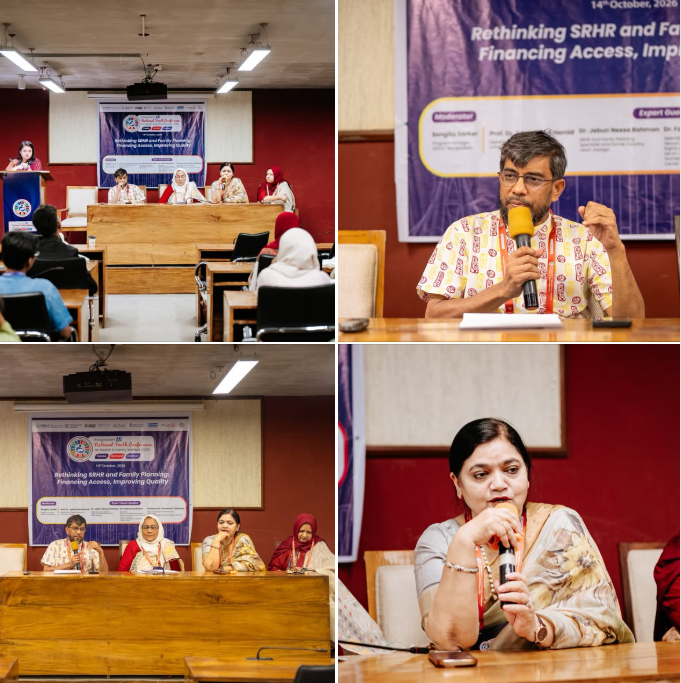
Another major focus of the conference was strengthening sexual and reproductive health and rights and family planning services.
The session “Rethinking SRHR and Family Planning: Financing Access, Improving Quality” examined how Bangladesh can improve access, service quality, and the use of available resources.
The session featured Dr. Jebun Nessa Rahman, SRHR and Family Planning Specialist and Former Country Lead, Jhpiego; Prof. Dr. Syed Abdul Hamid, Department of Health Economics, University of Dhaka; Dr. Fatema Shabnam, Consultant in Health System Strengthening, Policy and Advocacy, Capacity Building, Research and Innovation; and Professor Dr. Sheheren F. Siddiqua, Chairman, Department of Obstetrics and Gynecology, BMC.
Songita Sarker, Program Manager, SERAC-Bangladesh, moderated the discussion.
Speakers highlighted the importance of generating evidence to improve service delivery, raising awareness of PCOS, SRHR, and available healthcare services, and engaging relevant stakeholders to address existing gaps.
The discussion also emphasized stronger youth platforms, expanded access to accurate information, and inclusive and gender-responsive SRHR and family planning services.
From Priorities to Promises
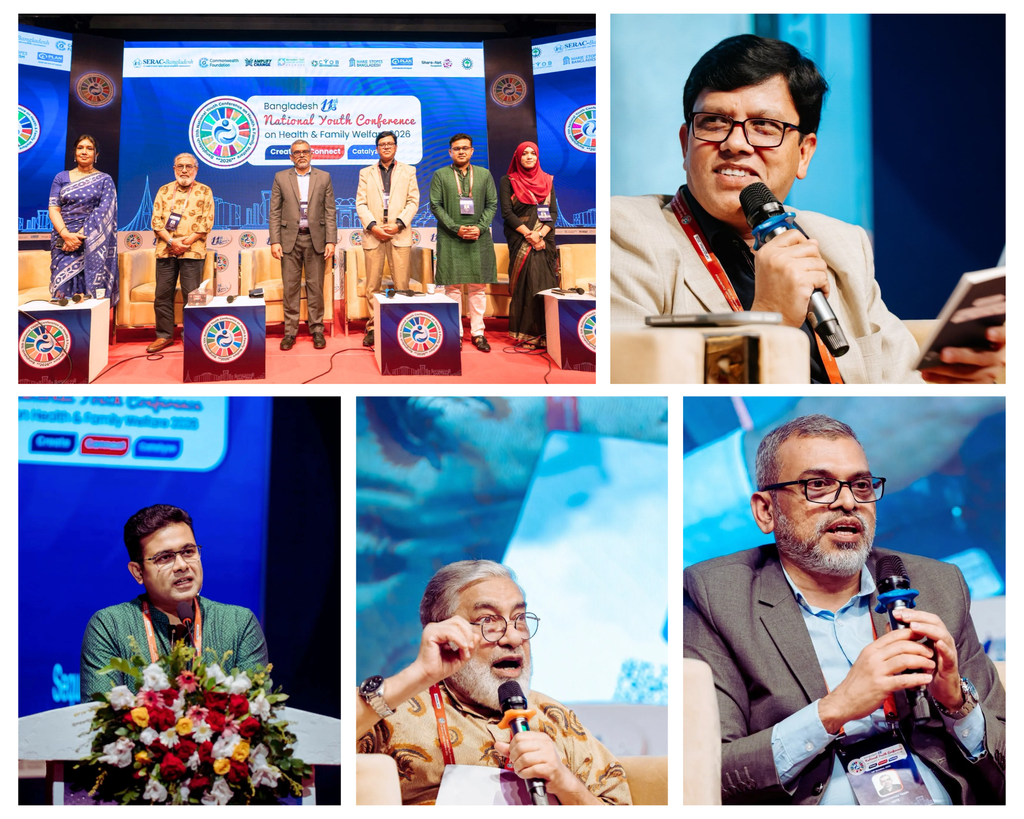
The conference culminated in a closing plenary titled “From Priorities to Promises – Commitments for Youth Health and Wellbeing.”
The session brought together many of the issues discussed throughout the conference and focused on translating dialogue into meaningful commitments and action.
Chaired by Mohammad Yasin (Grade-1), Additional Secretary, Ministry of Agriculture, the plenary emphasized addressing knowledge gaps, bridging communication barriers, and expanding opportunities for young people to participate in public affairs and policy processes.
Special Guest Dr. Shaikh Mohammad Jobayed Hossain, Joint Secretary (Youth Wing), Ministry of Youth and Sports, highlighted the National Youth Policy, the proposed Youth Council, and volunteering as pathways for strengthening youth leadership and civic engagement.
Dr. Abu Jamil Faisel, Public Health Specialist and Chairman, Health21, emphasized strengthening immunization services, improving child protection, and engaging young volunteers in addressing public health challenges.
Nishath Sultana, Director, Influencing, Campaign and Communication, Plan International Bangladesh, underscored the importance of youth and girls’ participation in advocacy and decision-making, alongside stronger leadership capacities and skills.
Youth Speaker Most. Adiba Sultana, a student at Rufaida College of Nursing, shared her motivation for choosing nursing and highlighted the importance of compassionate healthcare and greater professional recognition for nurses.
Moderated by S M Shaikat, the plenary reinforced a crucial message: policy commitments must translate into practical action through stronger collaboration, youth leadership, volunteering, and inclusive health initiatives.
Celebrating Leadership and Partnership
BNYCHFW 2026 concluded with an awards ceremony recognizing individuals and organizations for their contributions to health, SRHR, youth empowerment, and partnership-building.
Lifetime Achievement Award — Dr. Jebun Nessa Rahman
Dr. Jebun Nessa Rahman, SRHR and Family Planning Specialist and Former Country Lead at Jhpiego, received the Lifetime Achievement Award in recognition of her 34 years of dedicated service in SRHR and public health.
Her contributions to reproductive health, family planning, maternal health, and improving the quality of healthcare services were recognized as important contributions to advancing health outcomes in Bangladesh.
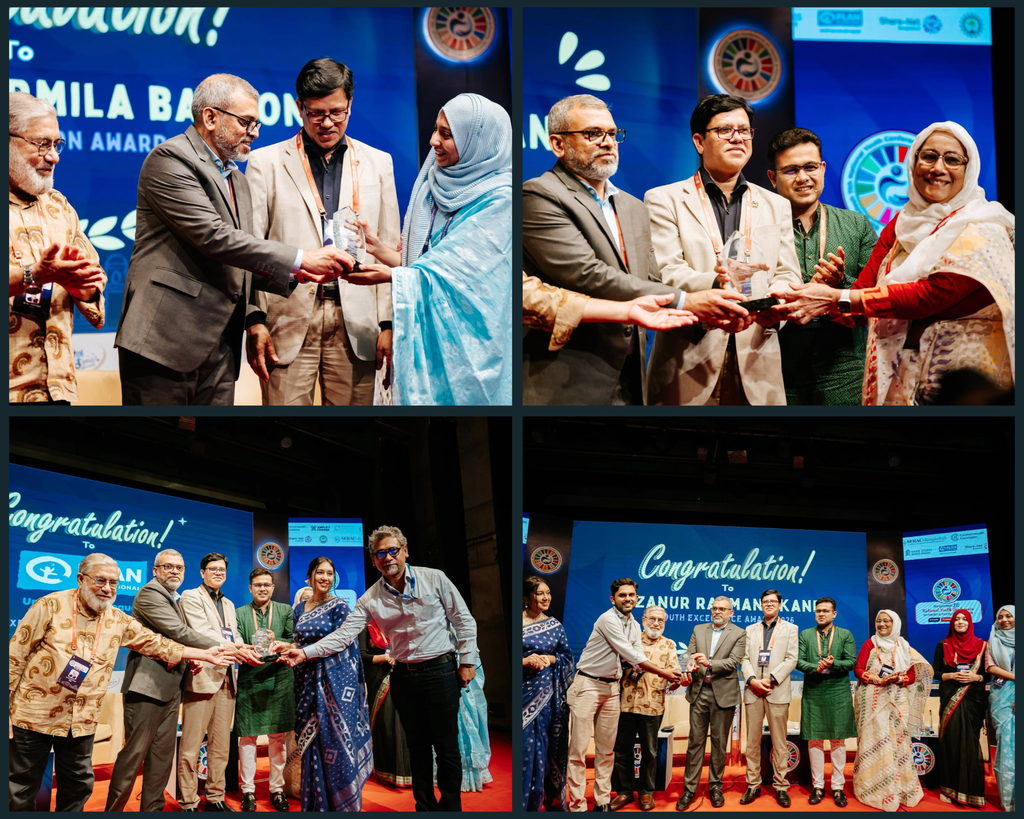
Exemplary Partnership Award — Plan International Bangladesh
Plan International Bangladesh, represented by Nishath Sultana, Director, Influencing, Campaign and Communication, and Syed Md. Nuruddin, Advisor, SRHR Programme, received the Exemplary Partnership Award.
The recognition celebrated the organization’s contribution to youth-focused initiatives that advance empowerment, rights, and well-being.
Adolescent Champion Award — Nowshin Sharmila Badhon
Nowshin Sharmila Badhon received the Adolescent Champion Award in recognition of her continued engagement in community development initiatives, efforts to amplify young people’s voices, and commitment to inspiring adolescents to become active contributors to their communities.
Youth Excellence Award — Mizanur Rahman Akanda
Mizanur Rahman Akanda, Project Manager at SERAC-Bangladesh, received the Youth Excellence Award for his contributions to youth empowerment, advocacy, civic participation, human rights, and SRHR.
Together, the awards highlighted the importance of sustained commitment, strong partnerships, and youth leadership in building a more inclusive and responsive health system.
Beyond the Conference: Turning Dialogue into Action
The true impact of a national youth conference is measured not only by the conversations held during the event, but also by what happens after the conference ends.
BNYCHFW 2026 brought together diverse perspectives around a shared understanding: young people’s health and well-being are inseparable from their rights, opportunities, environments, and ability to participate in decision-making.
The discussions demonstrated that issues such as mental health, SRHR, nutrition, climate change, digital safety, gender equality, and health governance are interconnected. A young person facing discrimination may also face barriers to healthcare. A young person experiencing online harassment may experience consequences for their mental health. Climate-related risks can affect physical and mental well-being, while gaps in nutrition and physical activity can influence long-term health outcomes.
Addressing these challenges therefore requires coordinated action rather than isolated interventions.
The conference highlighted the importance of collaboration among government institutions, civil society organizations, development partners, health professionals, media representatives, communities, and youth networks.
The Bangladesh 11th National Youth Conference on Health and Family Welfare 2026 offered more than a platform for discussion. It created an opportunity for young people and stakeholders to listen to one another, challenge existing assumptions, identify shared priorities, and imagine new possibilities for Bangladesh’s health and development future.
The conference’s central message remains clear: investing in young people’s health, rights, leadership, and participation is essential to building a healthier, more equitable, and more inclusive Bangladesh.
The journey does not end with the closing of the conference.
It continues through every young person who speaks up, every community that takes action, every policymaker who listens, every organization that builds a meaningful partnership, and every initiative that turns an idea into impact.
Create. Connect. Catalyze.
When young people are heard, their ideas are valued, and their leadership is supported, they do more than participate in the future of Bangladesh — they help shape it.