
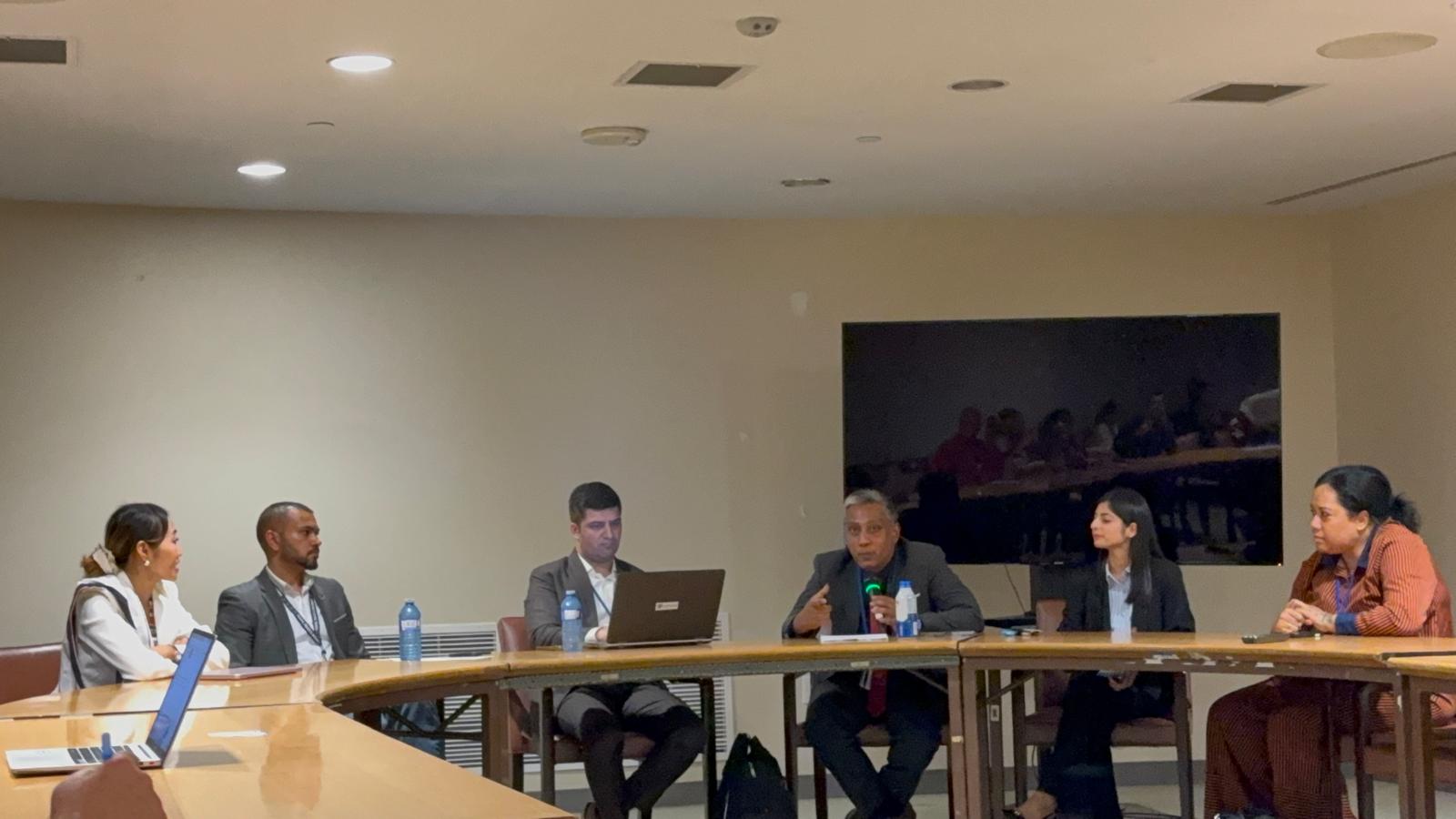
New York, USA | 14 July 2026
Climate change knows no borders. The glaciers of the Himalayas, the rivers flowing through South Asia, and the coastal communities of the Bay of Bengal are bound together by a shared ecological system. Recognizing this interconnected reality, global leaders, policymakers, development practitioners, academics, and young changemakers gathered inside the United Nations Headquarters in New York for the official High-Level Political Forum (HLPF) 2026 side event, “From the Himalayas to the Ocean: Youth Leadership for Climate Resilience, Sustainable Development, and the Pact for the Future.”
The side event was jointly organized by the SAARC Youth Platform (SYP) and SERAC-Bangladesh, in collaboration with the Major Group for Children and Youth (MGCY), Global Young Leaders Initiative (GYLI), Green Future Foundation (India), Bhanu Municipality (Nepal), Youth Advocacy Network Pakistan (YAN-Pakistan), Institute of Himalayan Risk Reduction (IHRR), Nepal National Federation of Clubs and Associations for UNESCO, Bagmati UNESCO Club, Youth for Environment Education and Development Foundation (YFEED Foundation), Youth Action for Sustainable and Eco Nepal (YASEN), with the support of the Nepal National Commission for UNESCO.
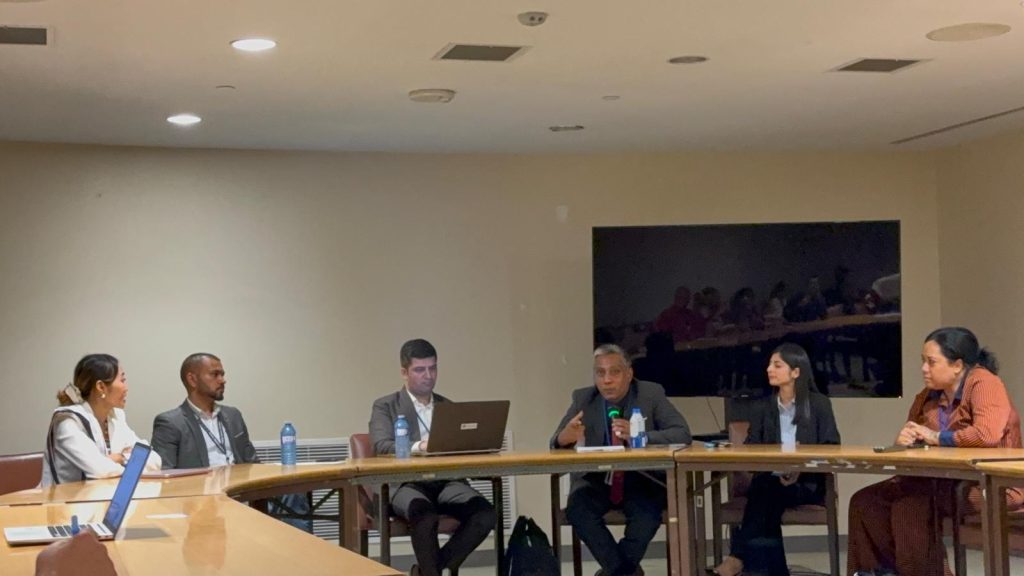
Opening the Dialogue
The event commenced with welcome remarks by Mr. SM Shaikat, Executive Director of SERAC-Bangladesh, who emphasized that climate change is no longer solely an environmental concern but a pressing development and human security challenge affecting every sector of society. He highlighted that the mountain-to-ocean connection illustrates the shared responsibility of South Asian countries in protecting ecosystems, strengthening regional cooperation, and empowering young people to lead transformative climate action.
He noted that while the region continues to experience increasingly severe climate impacts, it is also home to one of the world’s largest youth populations-an immense resource for innovation, resilience, and sustainable development if meaningfully engaged in policy and decision-making processes.
Bangladesh’s Perspective on Climate Resilience
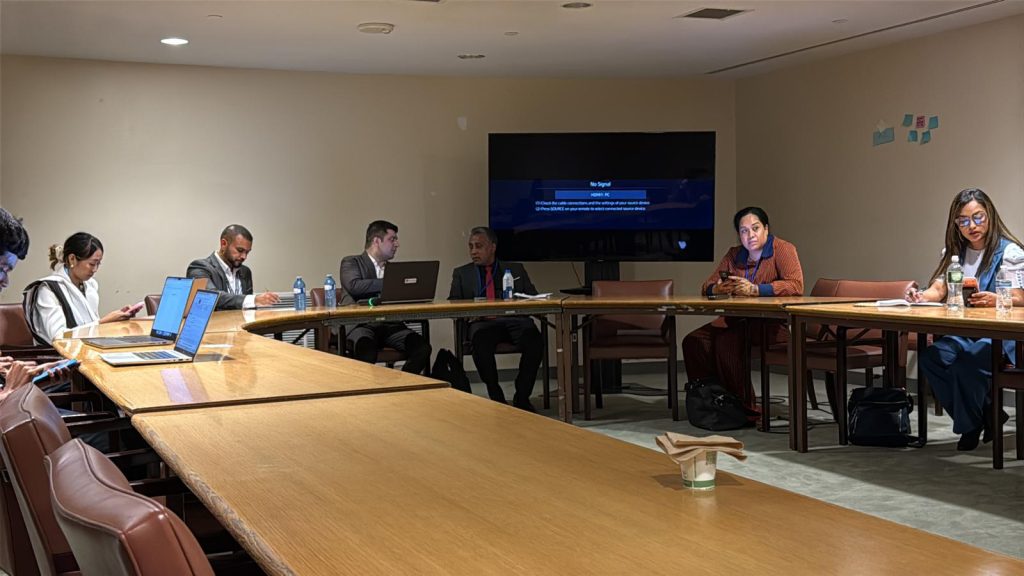
Professor Dr. SM Abdul-Awal, Principal Coordinator (SDG Affairs) at the Prime Minister’s Office of Bangladesh, highlighted Bangladesh’s perspective on the growing impacts of climate change and the importance of integrating climate resilience into sustainable development. He noted that although Bangladesh contributes only a small share of global greenhouse gas emissions, it remains among the countries most vulnerable to climate change.
Referring to the country’s recent experience of extreme heatwaves followed by torrential rainfall and flooding, he emphasized the increasing frequency and intensity of climate-related disasters. He also highlighted climate-induced migration as a growing development challenge affecting livelihoods, urbanization, and social protection. Stressing the importance of investing in young people, Prof. Awal called for stronger regional cooperation, climate-smart development, green jobs, and meaningful youth participation to accelerate progress toward the SDGs and build resilience across the Himalaya-to-Ocean region.
Regional Perspectives
The panel also featured Ms. Bisma Qamar, Representative of the Prime Minister’s Youth Programme, Pakistan, and Mr. Qasim Farasat, Co-Founder of the Institute for Sustainable Development and Cooperation (ISDC).
Ms. Qamar shared Pakistan’s experience in engaging young people in climate action and emphasized the importance of empowering youth as partners in resilience-building and sustainable development. Mr. Farasat highlighted the need for cross-border collaboration, locally led innovation, and knowledge sharing to address shared climate challenges across South Asia.
Together, the discussion reinforced that protecting the Himalayan ecosystem and strengthening downstream resilience are shared regional responsibilities requiring collective action and sustained partnerships.
Interactive Dialogue
The interactive session brought together participants from governments, UN agencies, youth organizations, academia, and civil society to exchange views on climate migration, youth livelihoods, adaptation, and regional cooperation. Participants emphasized the need for stronger youth engagement in climate governance, increased investment in locally led adaptation, and greater collaboration to advance sustainable development across South Asia.
From Dialogue to Action
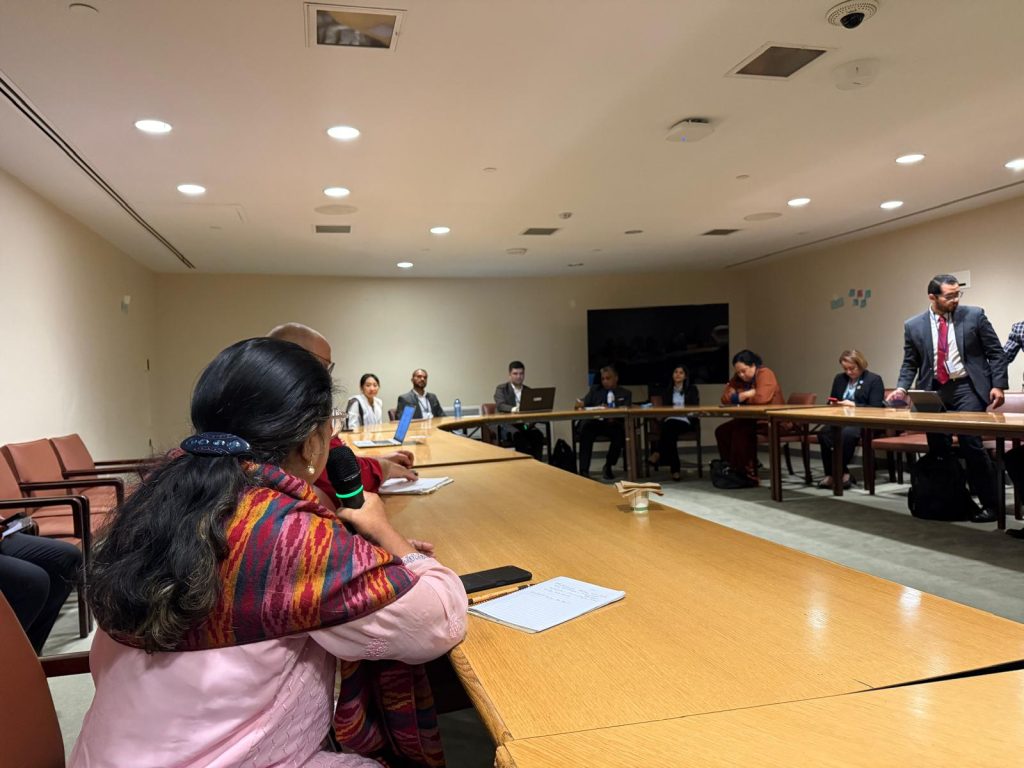
The event concluded with a synthesis and call to action by Mr. Fsahat Ul Hassan, Convener of the SAARC Youth Platform (SYP). He underscored the importance of transforming dialogue into concrete action through stronger regional partnerships and meaningful youth engagement.
The discussion highlighted several shared priorities:
- Strengthen regional cooperation across the Himalaya-to-Ocean ecosystem.
- Recognize climate-induced migration as a regional development and human security priority.
- Invest in green jobs, climate-smart entrepreneurship, and sustainable livelihoods for young people.
- Promote meaningful youth participation in climate governance and SDG implementation.
- Translate the recommendations from the dialogue into actionable policy inputs for relevant United Nations and regional processes.
Looking Ahead
The HLPF 2026 side event reaffirmed that the climate challenges facing South Asia are deeply interconnected and require collective solutions. From the glaciers of the Himalayas to the coastal communities of the Bay of Bengal, resilience depends on regional solidarity, evidence-based policymaking, and the leadership of young people.
As countries continue to advance the 2030 Agenda for Sustainable Development and the Pact for the Future, the event concluded with a shared commitment to strengthen partnerships, amplify youth voices, and accelerate climate action for a more resilient, inclusive, and sustainable future.