
In an era where digital communication has become an integral part of everyday life, the rapid spread of hate speech has emerged as one of the most pressing challenges facing young people. Through social media, political discourse, educational institutions, and even daily interactions, hateful narratives can spread quickly, fueling discrimination, polarization, and conflict. Young people often find themselves at the center of this challenge, not only as targets of hate speech but sometimes as its unintended amplifiers.
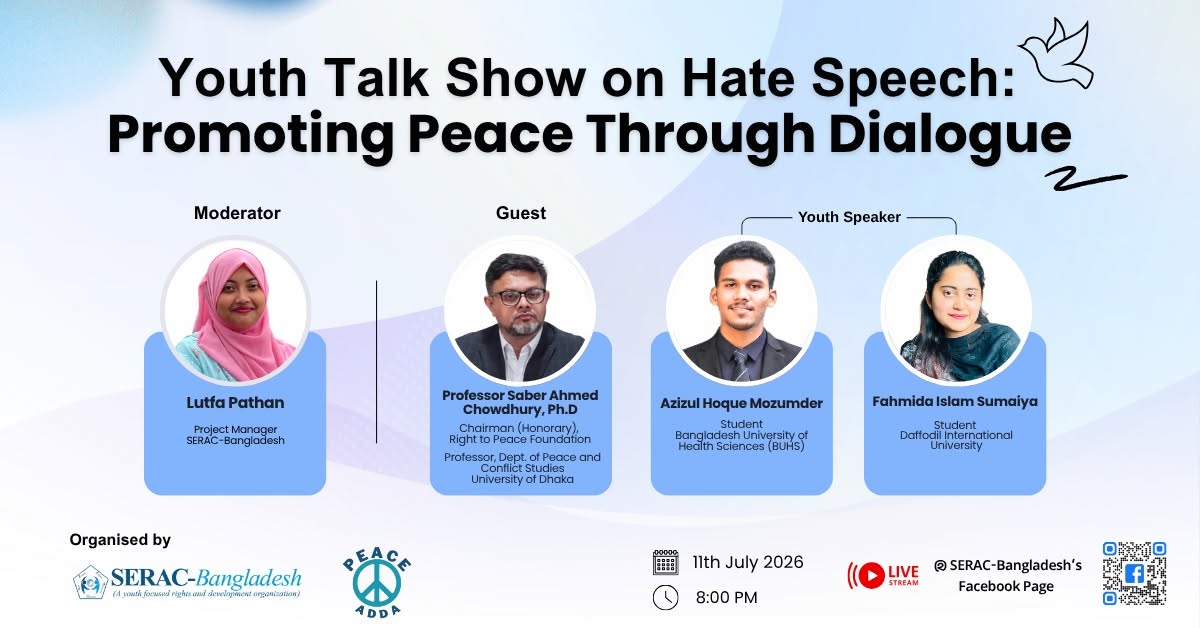
Recognizing the urgent need to address this issue, SERAC-Bangladesh, in collaboration with Peace Adda, organized a Youth Talk Show on Hate Speech: Promoting Peace Through Dialogue on 11 July 2026. The event created a platform for meaningful dialogue where young people, peace practitioners, and experts came together to explore the realities of hate speech, its impact on society, and the role youth can play in promoting peace, tolerance, and social cohesion.
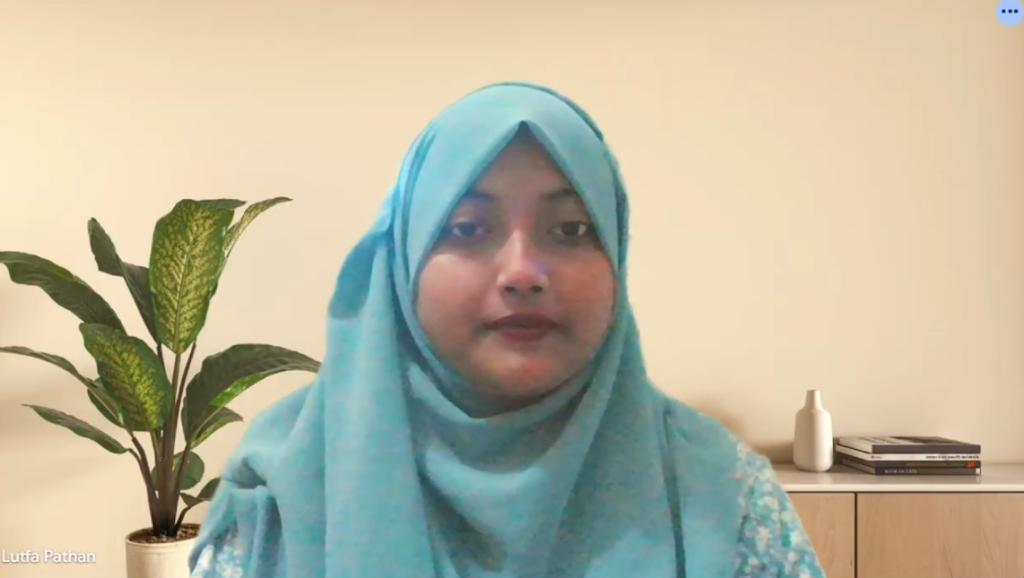
The session was moderated by Ms. Lutfa Pathan, Project Manager at SERAC-Bangladesh, who facilitated an engaging discussion among the speakers and participants.
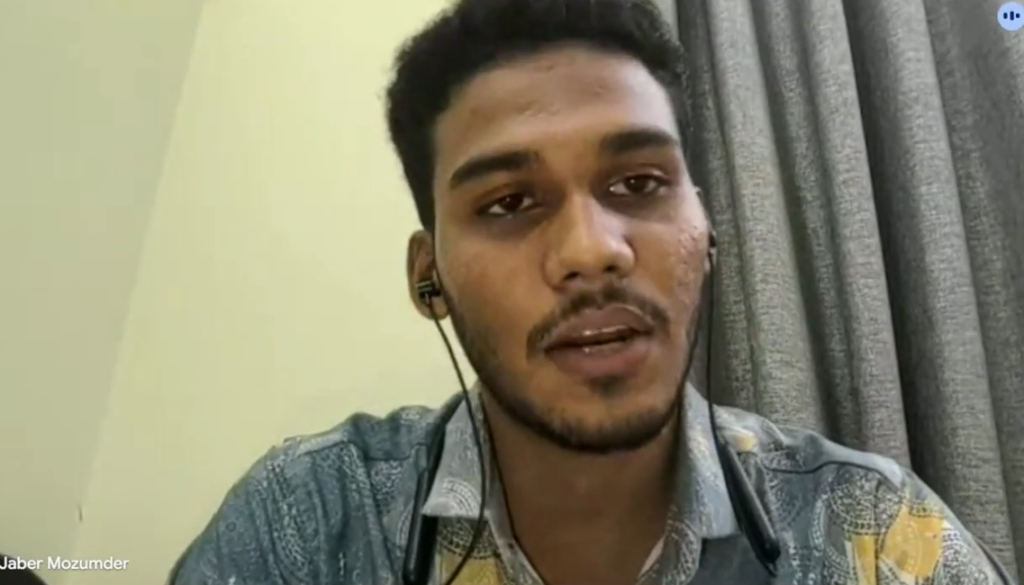
The discussion featured two youth speakers and one expert, each bringing unique perspectives to the conversation. Participants openly shared their valuable thoughts, personal experiences, and insights on the causes and consequences of hate speech, creating an inclusive and interactive environment for learning and reflection.
A central theme of the discussion was understanding what hate speech looks like in today’s society. Participants reflected on how hate speech extends beyond offensive language and often targets individuals or communities based on their religion, ethnicity, nationality, gender, political views, or other identities. Such narratives not only harm individuals but also contribute to mistrust, discrimination, and social division.
The youth speakers highlighted why hate speech spreads so rapidly among young people, particularly through digital platforms. They discussed how misinformation, emotional reactions, peer influence, and the ease of sharing online content often contribute to the spread of harmful narratives. At the same time, they emphasized that young people also possess the power to reverse this trend by becoming responsible digital citizens and promoting respectful communication.
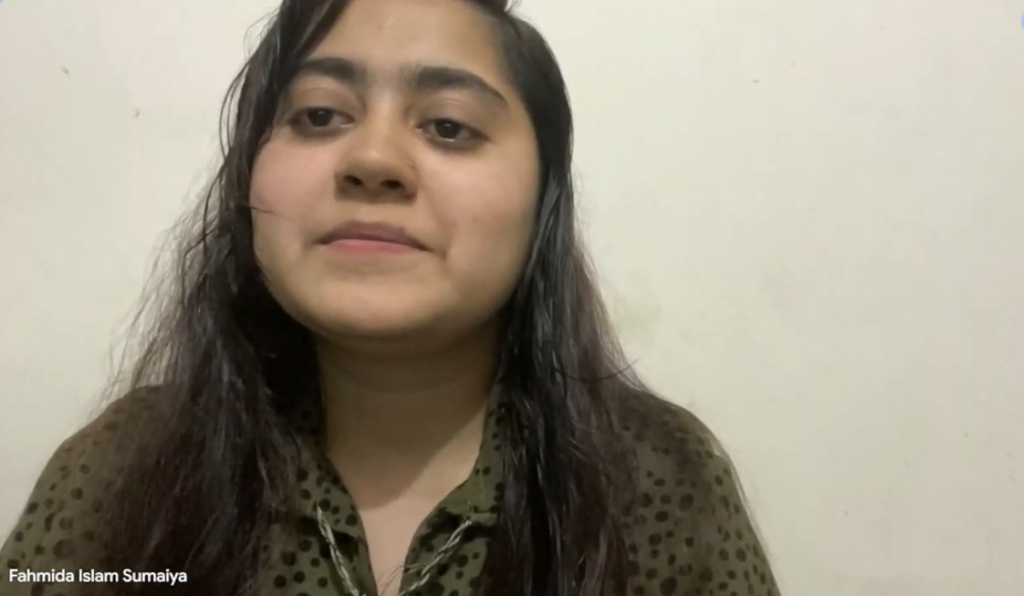
An important part of the conversation focused on the role of dialogue in preventing hate speech. Participants agreed that meaningful conversations encourage empathy, mutual understanding, and respect for diverse perspectives. Rather than responding to hatred with more hostility, dialogue creates opportunities to address misunderstandings, challenge stereotypes, and build trust within communities.
The discussion also encouraged young people to critically reflect on their own language and online behavior. Participants emphasized the importance of thinking before posting or sharing content, verifying information through reliable sources, avoiding impulsive reactions, and recognizing the real-world consequences that online hate can have on individuals and communities.
The expert speaker, Professor Saber Ahmed Chowdhury, Ph.D., Chairman (Honorary), Right to Peace Foundation, and Professor, Department of Peace and Conflict Studies, University of Dhaka, provided valuable insights into the relationship between freedom of expression and hate speech. Drawing on his academic research and practical experience, he discussed the root causes of hate speech among young people in Bangladesh and highlighted how education, dialogue, and critical thinking can play a transformative role in preventing conflict.
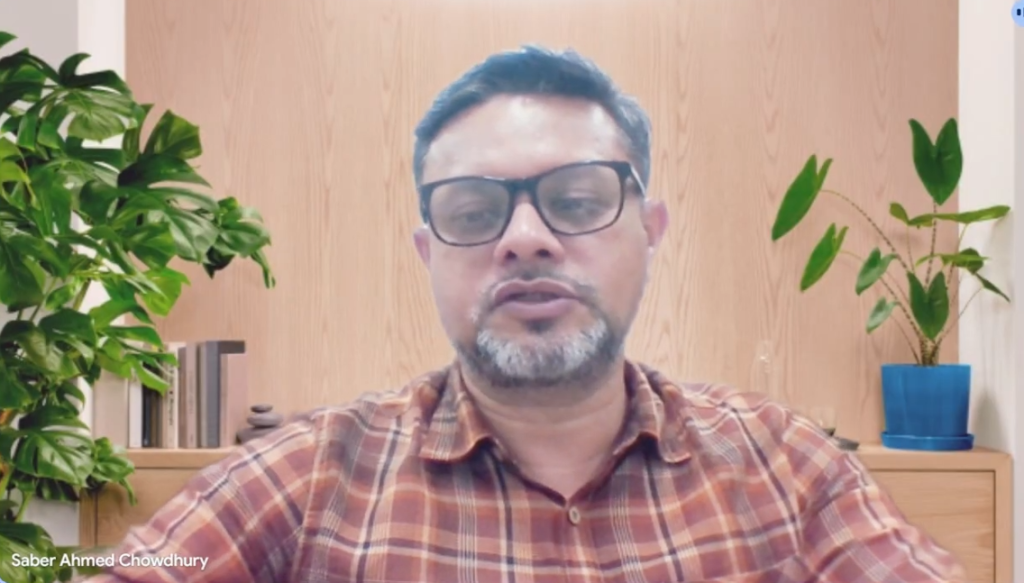
Professor Chowdhury also emphasized that preventing hate speech is a shared responsibility. Educational institutions, families, the media, policymakers, civil society organizations, and social media platforms all have important roles to play in fostering a culture of peace, respect, and responsible communication. Most importantly, he encouraged young people to become ambassadors of peace by promoting empathy, challenging discrimination, and using their voices to spread positive narratives.
The interactive question-and-answer session further enriched the discussion, allowing participants to exchange ideas, ask thoughtful questions, and reflect on practical ways to respond to hate speech in their own communities. The diverse perspectives shared during the session reinforced the importance of collective action in building a more inclusive and respectful society.
The talk show concluded with a shared commitment to promoting peace through dialogue. Participants agreed that countering hate speech requires more than simply rejecting hateful language. It requires cultivating empathy, encouraging critical thinking, embracing diversity, and creating spaces where respectful conversations can flourish.
Through initiatives like the Youth Talk Show on Hate Speech: Promoting Peace Through Dialogue, SERAC-Bangladesh continues to empower young people to become active peacebuilders and responsible digital citizens. By equipping youth with the knowledge, confidence, and skills to challenge hate speech and promote understanding, such initiatives contribute to building a society where dialogue replaces division, respect overcomes prejudice, and peace becomes a shared responsibility.
Together, young people have the power to transform words into bridges of understanding and create communities where inclusion, dignity, and peace prevail.