
When a youth has not only a skill but also the knowledge to manage money, the confidence to try something new, and the courage to move an initiative forward, new opportunities begin to open up for them.
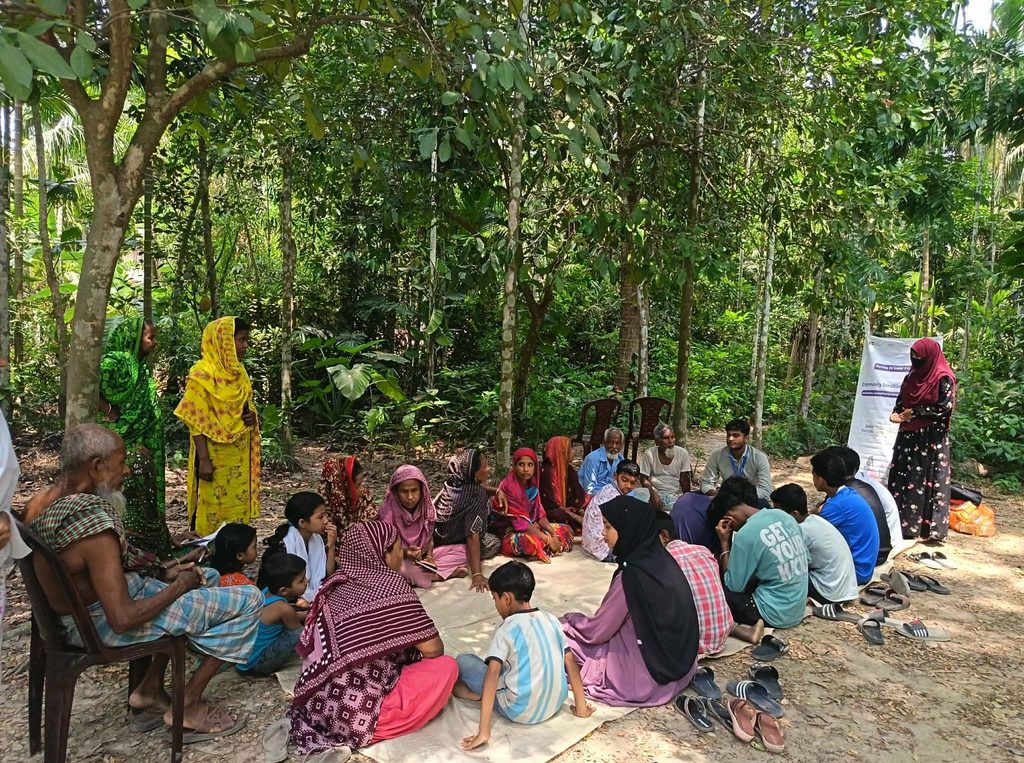
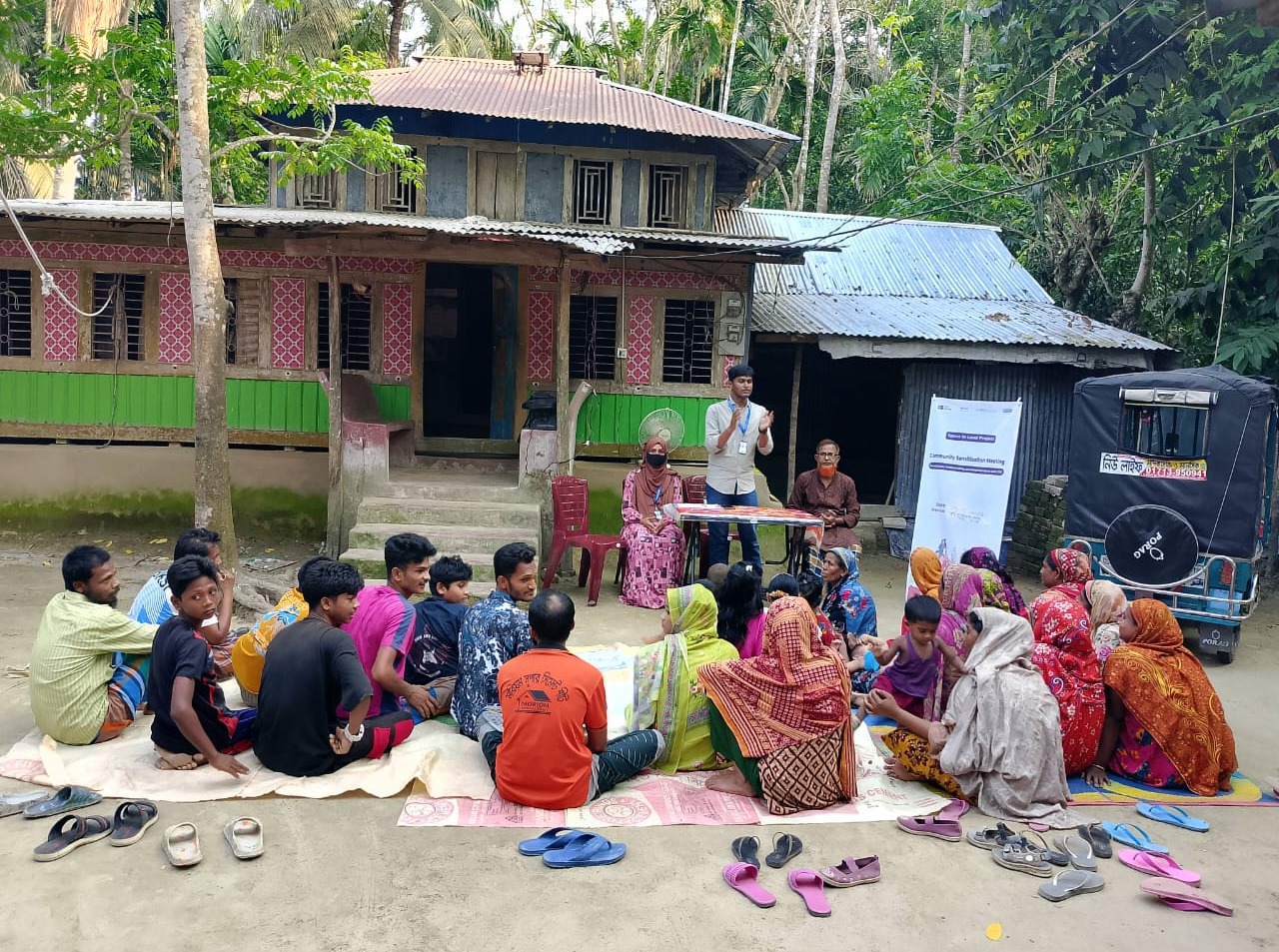
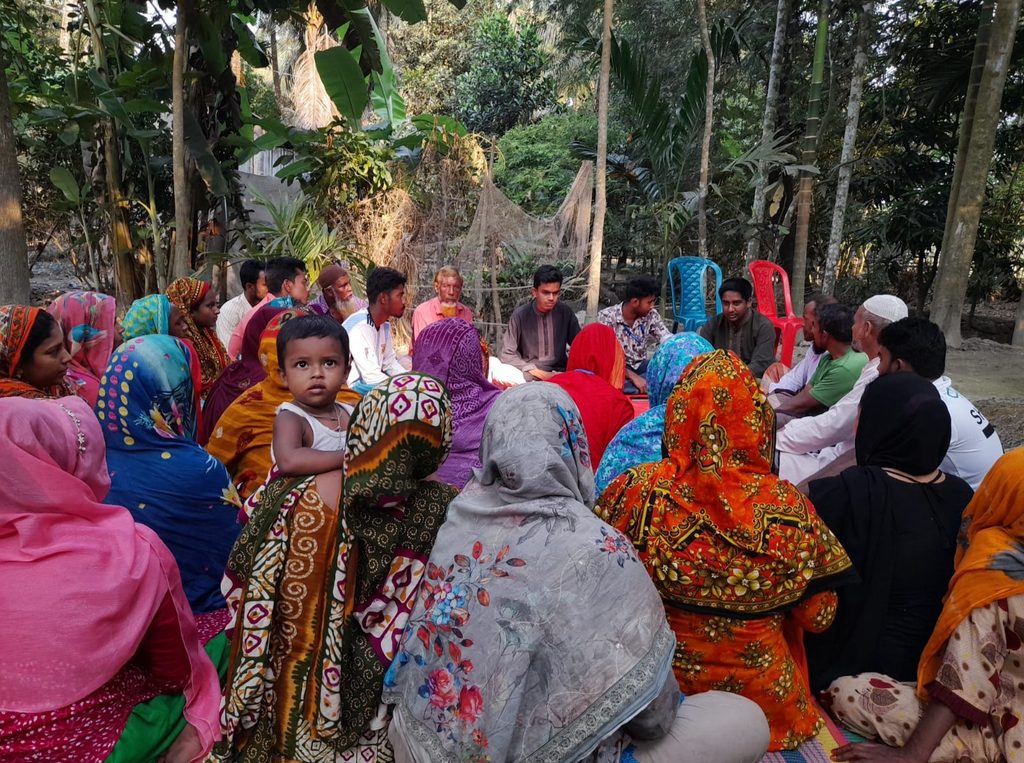
On 17-19 April, 2026, SERAC-Bangladesh, with funding from the Swedish International Development Cooperation Agency (SIDA) and technical support from Plan International Bangladesh, is implementing the “Space to Lead” project. Under the project, community sensitization sessions on integrating economic empowerment discussions into community sensitization efforts, focusing on financial literacy, vocational training and entrepreneurship for youth (YEE). were organized in three unions of Barguna Sadar Upazila and three unions of Patharghata Upazila. The main objective of these sessions was to build awareness among young people on financial literacy, vocational skills, and entrepreneurship development, while also engaging parents and community members on these issues.
Young people, parents, and community members also participated in these sessions. The discussions highlighted the importance of financial literacy, entrepreneurship development, and acquiring vocational and professional skills.
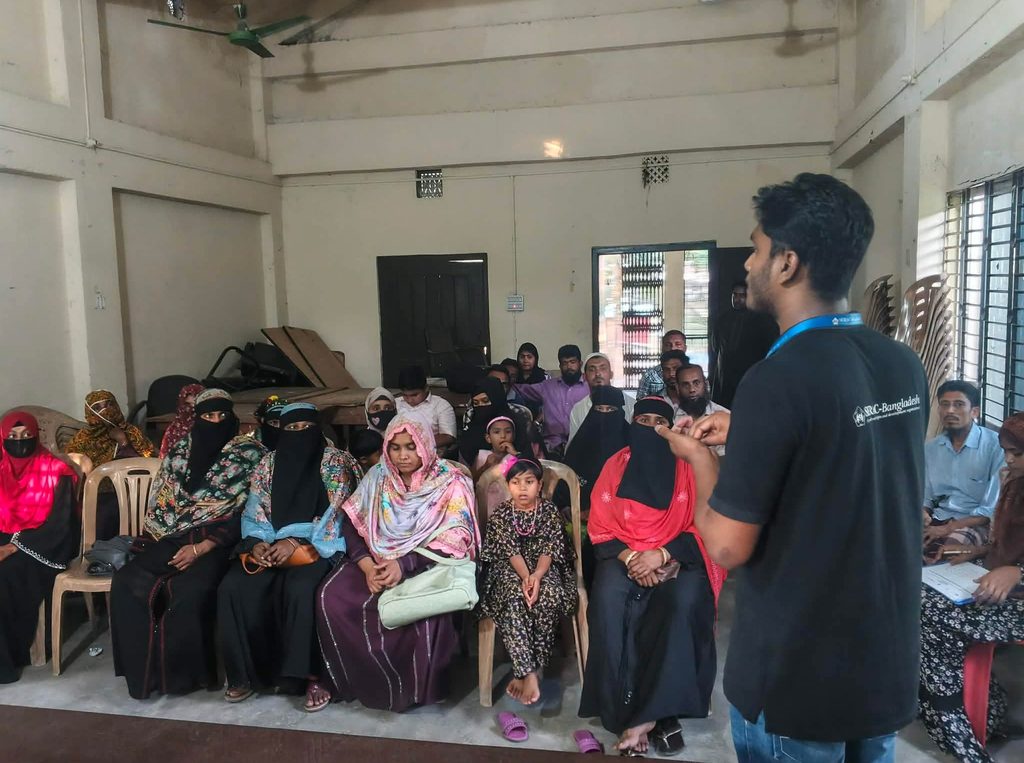
The sessions highlighted that, to enable young people to become economically empowered, it is important for them to have an understanding of money management, savings, planning, and future financial decision-making from an early age. Financial literacy not only helps young people develop skills in managing money but also builds a sense of responsibility and the capacity to plan for the future.
A key focus of the sessions was entrepreneurship development. Participants discussed that becoming an entrepreneur does not necessarily require starting a large-scale business. Young people can begin with small initiatives based on their interests, skills, local opportunities, and available resources. With proper planning, knowledge, skills, and consistent effort, small initiatives can gradually grow into larger economic opportunities.
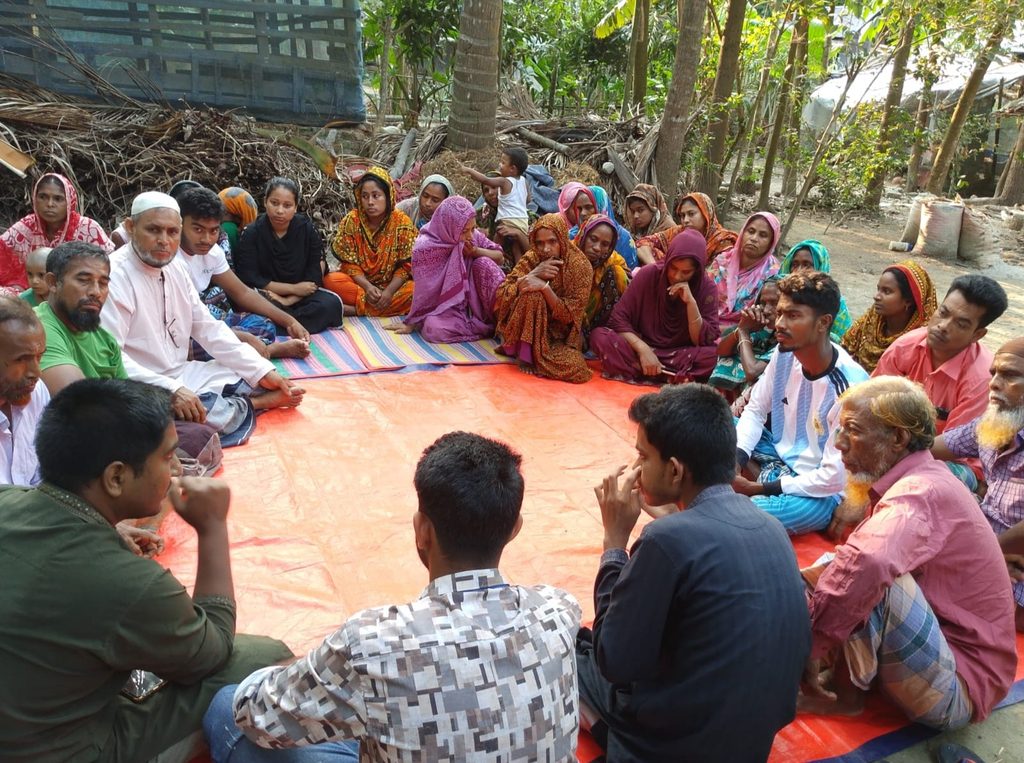
Parents and community members were encouraged to recognize and support the economic potential of young people. The discussions highlighted that, in addition to supporting education, families can contribute by encouraging skills development, creativity, learning, and interest in entrepreneurship. Such support can help young people build confidence and explore new opportunities.
The sessions also emphasized that small entrepreneurial initiatives alongside education can provide young people with practical experience, income opportunities, responsibility, confidence, and decision-making skills. With proper guidance and support, these initiatives can grow over time and contribute to family well-being by creating opportunities for young people to contribute to household income and reduce economic pressure.
During the sessions, parents, young people, and community members shared their experiences, views, and concerns and discussed ways to connect young people with vocational training, skills development, entrepreneurship activities, and locally available economic opportunities.
Youth economic empowerment is not only about creating opportunities for young people to earn income; it is also about developing their skills, increasing their confidence, enabling informed decision-making, supporting their contribution to their families, and strengthening their ability to take responsibility for their own future. A small initiative, with the right knowledge, opportunities, and encouragement, can gradually become the foundation for greater possibilities.
With the aim of creating more meaningful opportunities and a supportive environment for young people, SERAC-Bangladesh continues to implement such initiatives at the community level under the “Space to Lead” project. Through these efforts, the project continues to work towards enabling young people to utilize their skills and potential, become more economically empowered, and play a more active role in shaping their own future.