
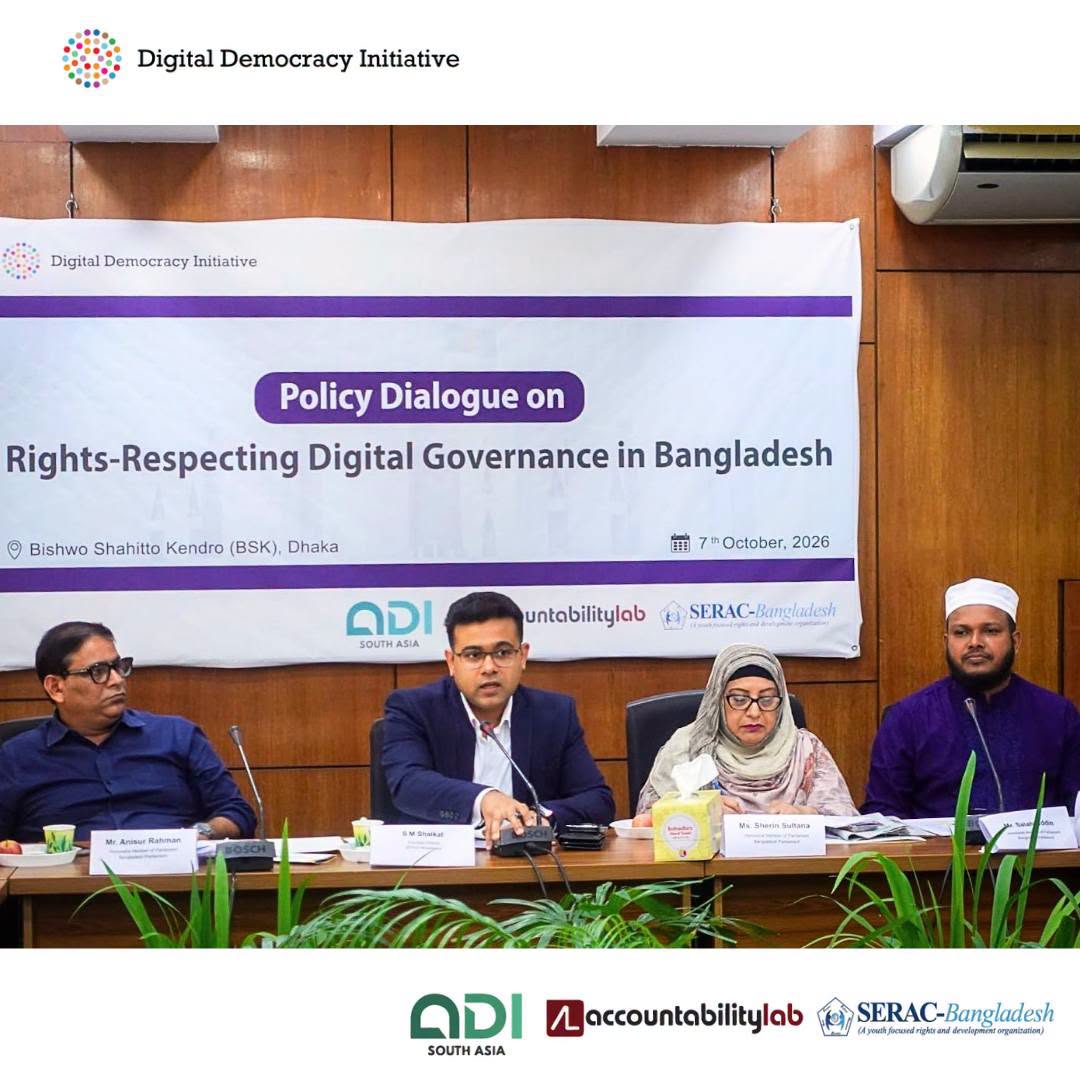
As Bangladesh’s digital landscape continues to expand rapidly, ensuring that technology and digital governance advance citizens’ rights, safety, privacy, and access to services has become increasingly important. Against this backdrop, the “Policy Dialogue on Rights-Respecting Digital Governance in Bangladesh” was held in Dhaka today, bringing together parliamentarians, policymakers, civil society representatives, journalists and young people to discuss the future of rights-based digital governance in Bangladesh.
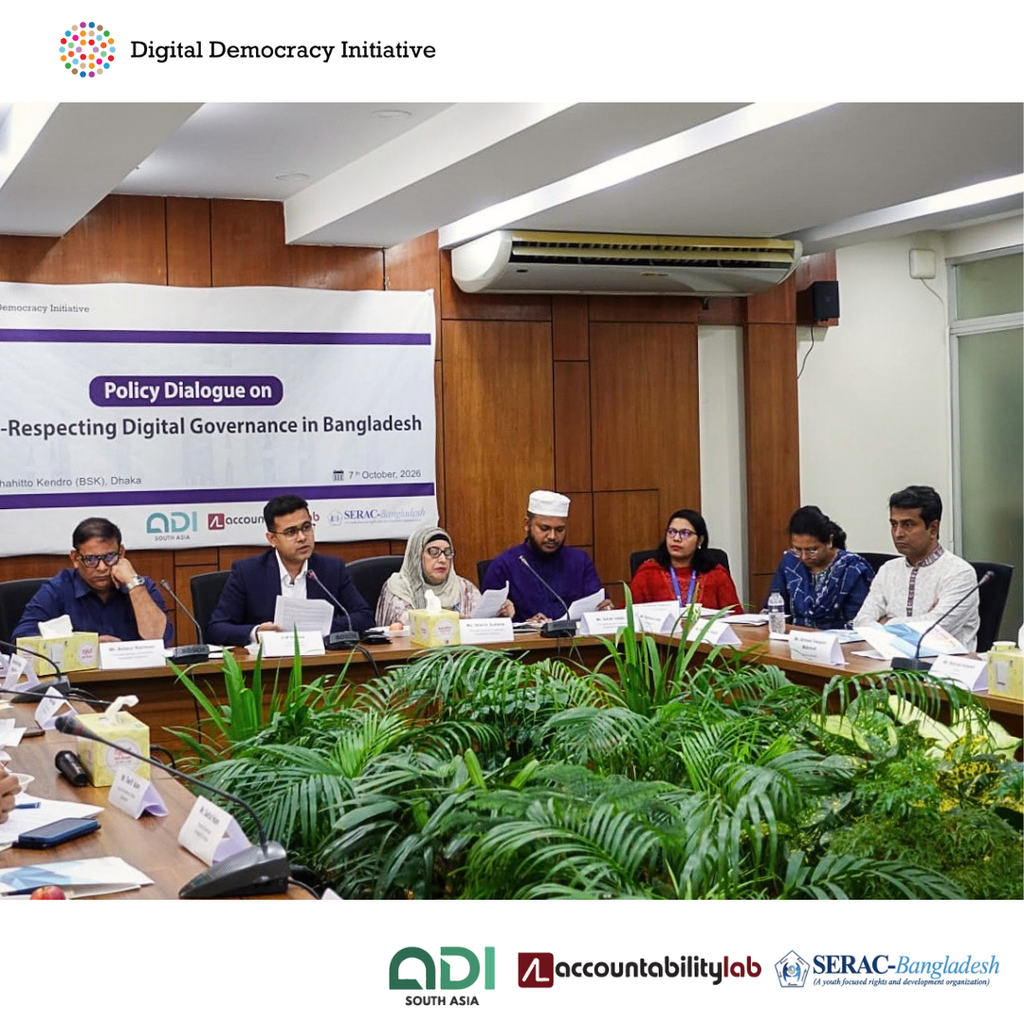
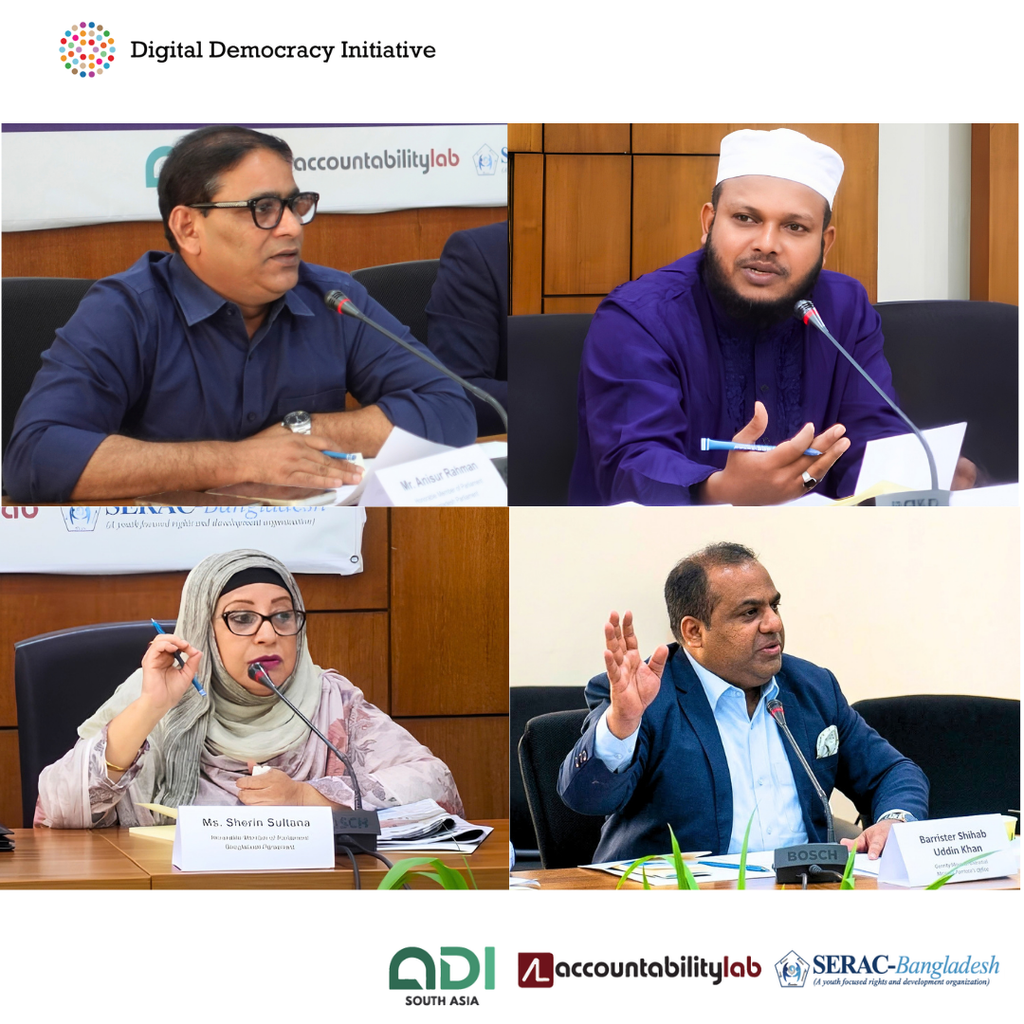
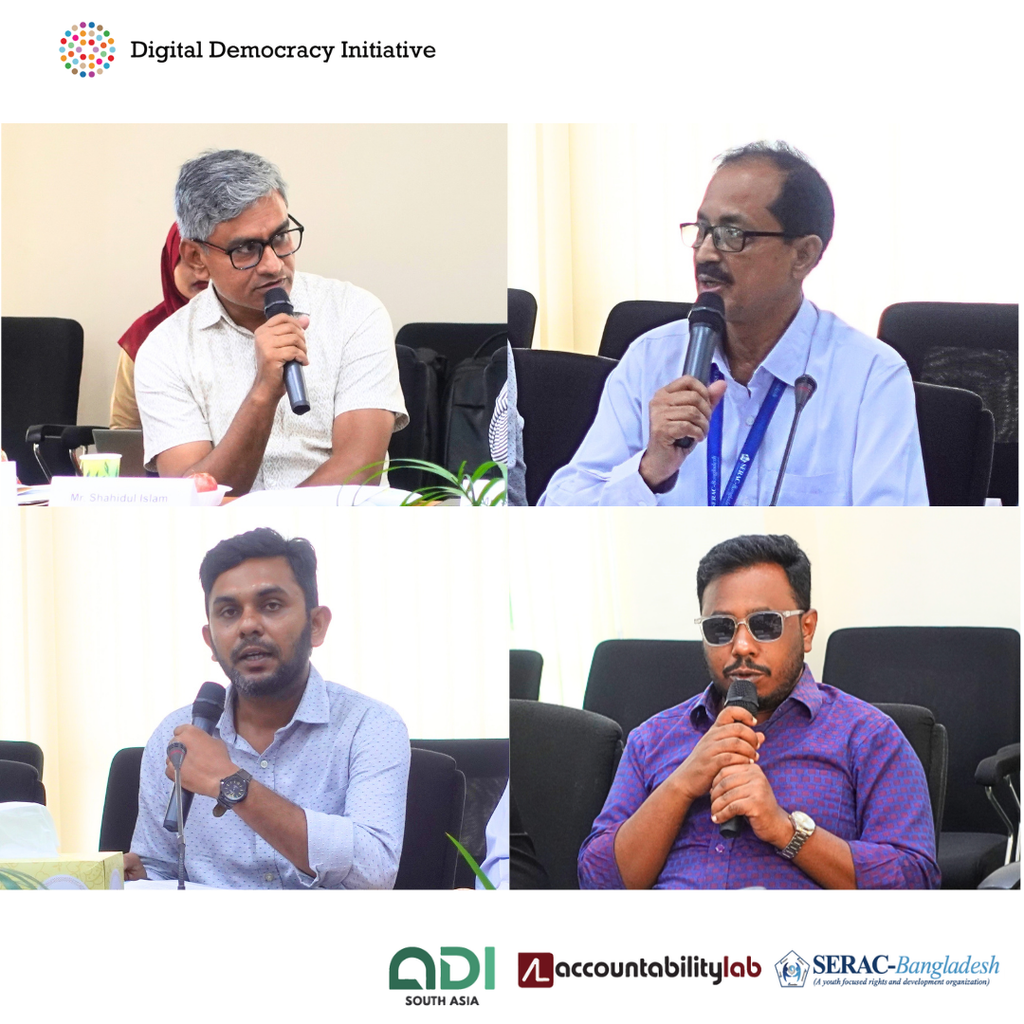
The dialogue was organized by SERAC-Bangladesh, with support from DDI South Asia and Accountability Lab. The discussion focused on key issues including freedom of expression, data protection and privacy, online safety, youth participation, responsible digital communication, institutional accountability, and access to effective remedies. The event was attended by Mr. Anisur Rahaman, Member of Parliament for Madaripur-3; Mr. Salah Uddin, Member of Parliament for Gazipur-4; and Ms. Sherin Sultana, Member of Parliament from reserved women’s seat alongside policymakers, civil society representatives, media professionals, and youth representatives.
The program opened with welcome remarks by Mizanur Rahman Akanda, Project Manager, SERAC-Bangladesh. A keynote speech titled “Protecting Citizens, Ensuring Youth Participation and Strengthening Institutional Accountability for a Safe and Rights-Respecting Digital Bangladesh” was delivered by S M Shaikat, Executive Director, SERAC-Bangladesh. The roundtable discussion was moderated by Md. Salim Miah, Director (Program), SERAC-Bangladesh.
The dialogue underscored that freedom of expression is a fundamental right and must be protected in both offline and digital spaces. At the same time, participants stressed that exercising this right should not infringe upon the rights, dignity, privacy, or safety of others. Speakers called for a balanced approach to digital expression- one that protects legitimate criticism and public discourse while addressing threats, incitement to violence, fraud, and other forms of harmful conduct through clear, necessary, proportionate, and lawful measures. Participants also highlighted the importance of accuracy, context, and balanced representation in news and digital content, noting that incomplete or one-sided reporting can contribute to public confusion and shape distorted perceptions of events.
Personal data protection and privacy emerged as key concerns during the dialogue. Participants, including Members of Parliament, shared observations and experiences regarding the challenges citizens face in protecting their personal information. Speakers highlighted the contrast between the difficulties citizens often encounter when attempting to correct or update their NID information and concerns that sensitive personal data may be accessible to unauthorized individuals for relatively small amounts of money- reportedly ranging from BDT 30 to BDT 250. The discussion emphasized that institutions collecting and processing personal information should follow the principles of necessity, purpose limitation, restricted access, transparency, and accountability. Participants called for auditable records of data access and use, clear responsibility for data handling, and effective remedies where personal information is misused or unlawfully accessed.
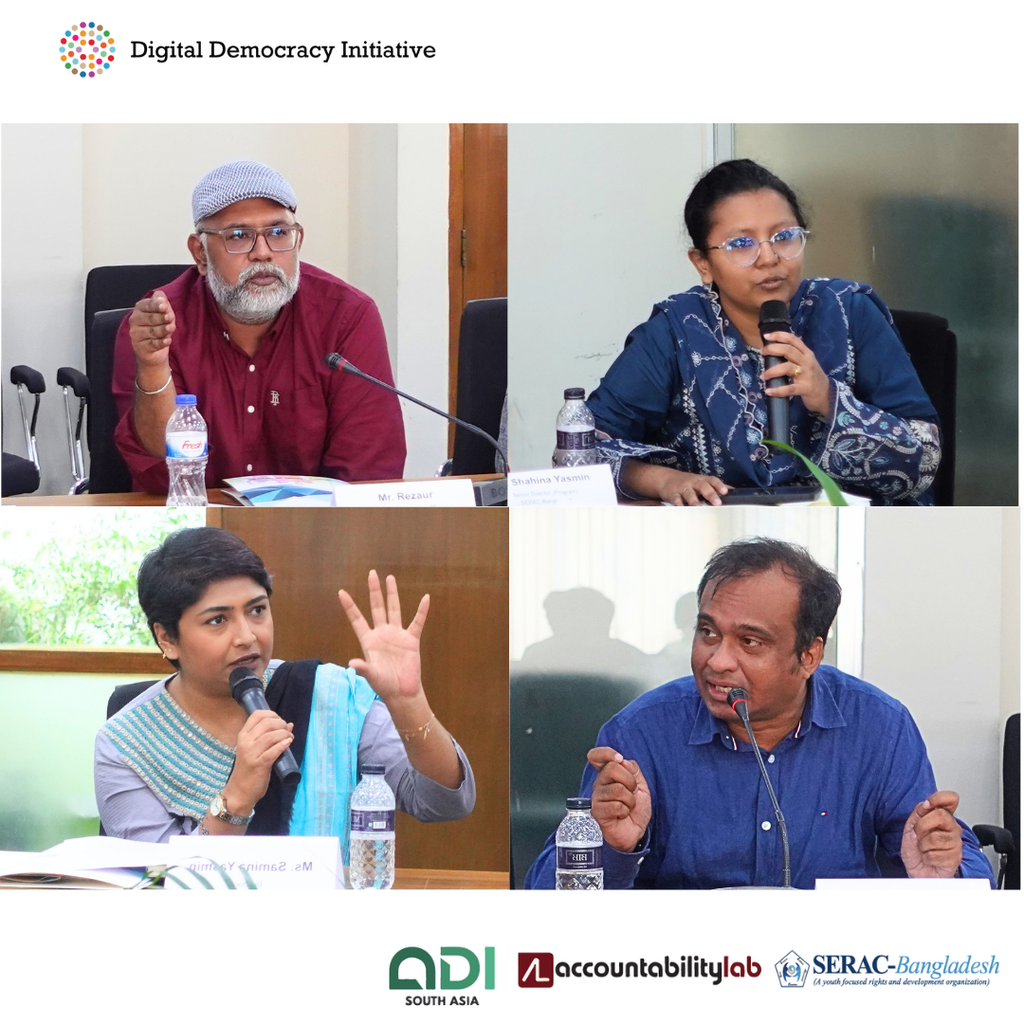
The dialogue also drew attention to the growing risks faced by children and young people online, including online harassment, identity misuse, manipulated and AI-generated content, and unauthorized use of personal information. Participants called for confidential and accessible complaint mechanisms, timely remedies, appropriate psychosocial support, and safer digital environments that enable young people to participate meaningfully without compromising their security or well-being. They further emphasized that young people should not only be beneficiaries of digital policies but also active participants in shaping them, with their experiences and perspectives reflected in policy and legislative processes.
Participants also stressed the need for greater coherence among laws and policies governing cybersecurity, personal data protection, and national data management. The dialogue emphasized that citizens must have clear, accessible, and effective avenues for seeking remedies when their rights are violated. It also called for meaningful consultation with young people, civil society, technology experts, legal professionals, journalists, and affected communities before new laws and policies are developed. A rights-respecting digital governance framework, participants noted, requires not only effective laws but also transparent institutions, accountable implementation, and meaningful public participation.
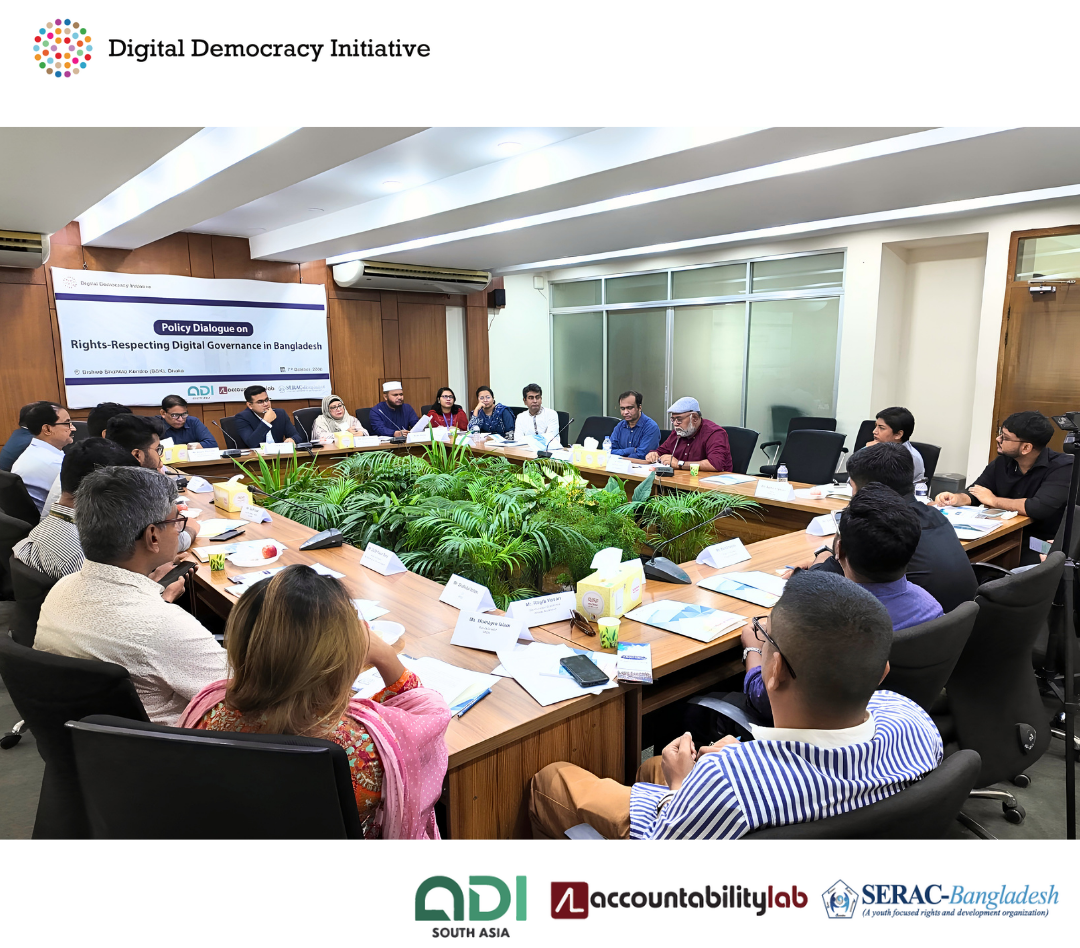
Drawing on the discussion, participants identified several priority areas for strengthening digital governance in Bangladesh, including clear definitions of digital offences and proportionate enforcement of laws; auditable accountability of institutions responsible for collecting, storing, and processing personal data; safe, inclusive, and rights-respecting digital participation for children, young people, and women; meaningful public consultation in the development of digital laws and policies; and stronger, outcome-oriented parliamentary oversight of digital governance.
The dialogue emphasized that the goal is not simply to increase awareness, but to contribute to practical and policy-oriented solutions for making Bangladesh’s digital governance more rights-respecting, accountable, transparent, and participatory. Participants agreed that as Bangladesh’s digital transformation continues, governance frameworks must evolve alongside it- ensuring that technological progress is accompanied by stronger protection of fundamental rights, privacy, safety, dignity, and freedom of expression.