
In today’s fast-moving world, colourful packets and catchy advertisements are silently taking over children’s plates. They may satisfy their hunger pangs with chips, packaged juices, chocolates, and other tempting processed snacks, but they deny their bodies the vital nourishment required for healthy growth. These foods are often full of too much sugar, salt, bad oils and nasty chemicals hidden behind the fancy packaging. The regular consumption of such food is increasingly being linked to early-onset diabetes, high blood pressure, gastric problems and fatty liver disease – conditions that are now showing up at alarmingly young ages. These foods also affect children’s energy levels, mood, concentration and performance at school, often in ways that are not immediately apparent.
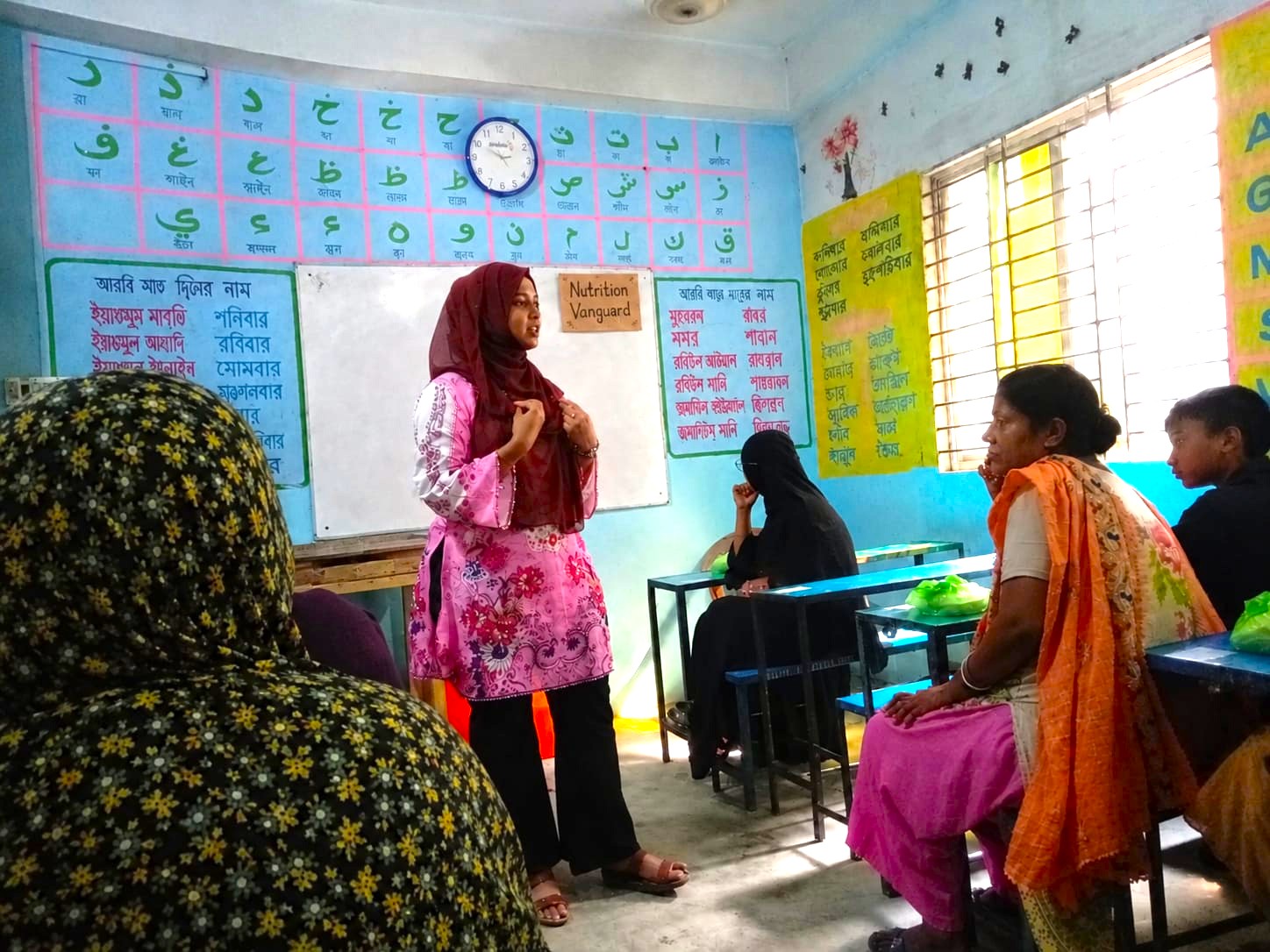
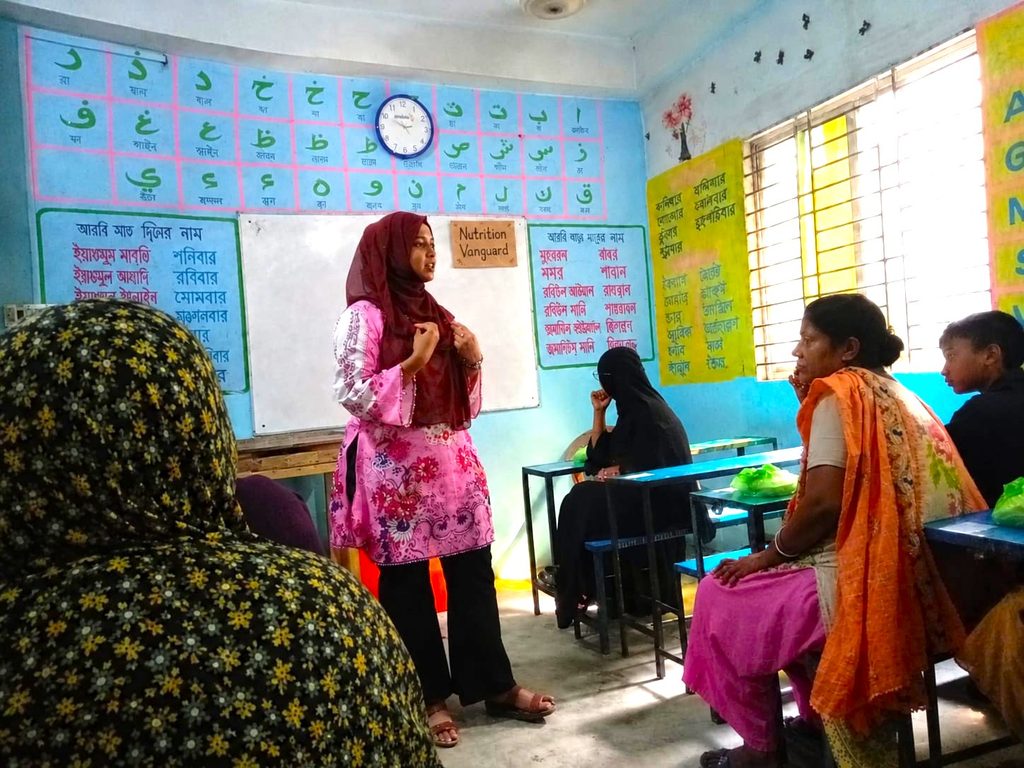
To address this growing concern, a group from the FOSYLx training at SERAC-Bangladesh Cohort-1 organised a special awareness session for guardians as part of their collective action in a school located in the Jhauchar area of Hazaribagh. This initiative was planned and led by the group to raise awareness among parents about the health risks of junk and ultra-processed foods in their children’s daily lives.
During the session, the facilitators discussed how frequently consumed packaged snacks-such as chips, instant noodles, sugary drinks and chocolates can gradually harm children’s health. Using simple and practical examples, they explained that not everything that looks attractive or tastes good is actually good for a child’s body. The guardians were encouraged to reflect on what goes into their children’s lunchboxes and daily meals and to recognise how small, seemingly harmless choices can add up over time and lead to serious health consequences.
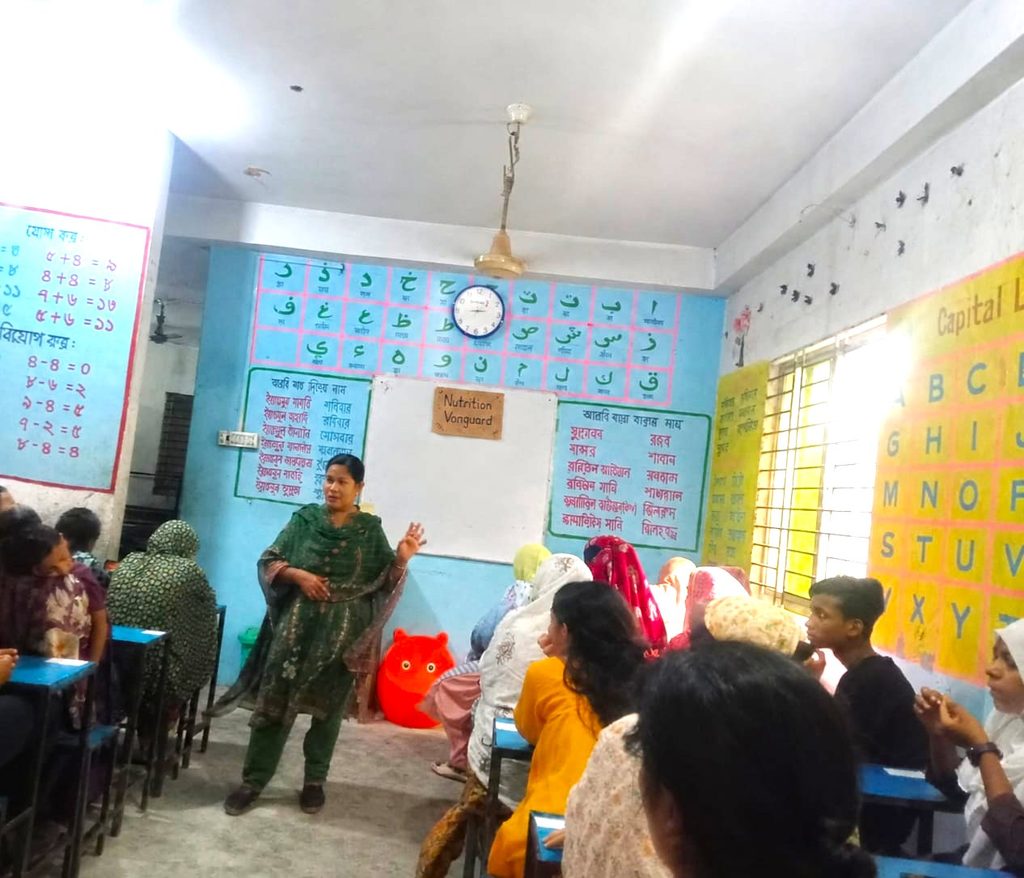
A key strength of this campaign was the active participation of the guardians. Rather than being passive listeners, they engaged in open conversations, shared the real-life challenges they face in managing their children’s eating habits, and asked questions about realistic alternatives to junk food. Many spoke about time constraints, children’s constant demands for packaged snacks and the easy availability of cheap processed foods. In response, the group worked with them to identify healthy, practical and budget-friendly options that can be prepared at home.
The discussion highlighted simple, local and affordable alternatives such as home-cooked meals, fruits, lentils, vegetables, eggs, puffed rice, roasted chickpeas and traditional homemade snack foods that are both nutritious and familiar to children. Guardians were encouraged to gradually reduce the presence of packaged snacks at home and to introduce their children to these healthier options in an encouraging, non-punitive way.
Through this initiative, one core message was clearly highlighted: “Not packets, but real food-let this be our daily decision.” The effort of this FOSYLx training group shows how knowledge and skills gained through the programme can be transformed into meaningful community action. Change does not have to be drastic; even small, consistent steps-such as slowly replacing packaged items with home-cooked alternatives – can significantly improve children’s health and well-being.
Attractive packets may conceal the damage, but informed and empowered guardians can make conscious decisions that protect their children’s future. This guardian-focused session is a reminder that real change in children’s diets begins at home-with awareness, intention and everyday choices.