
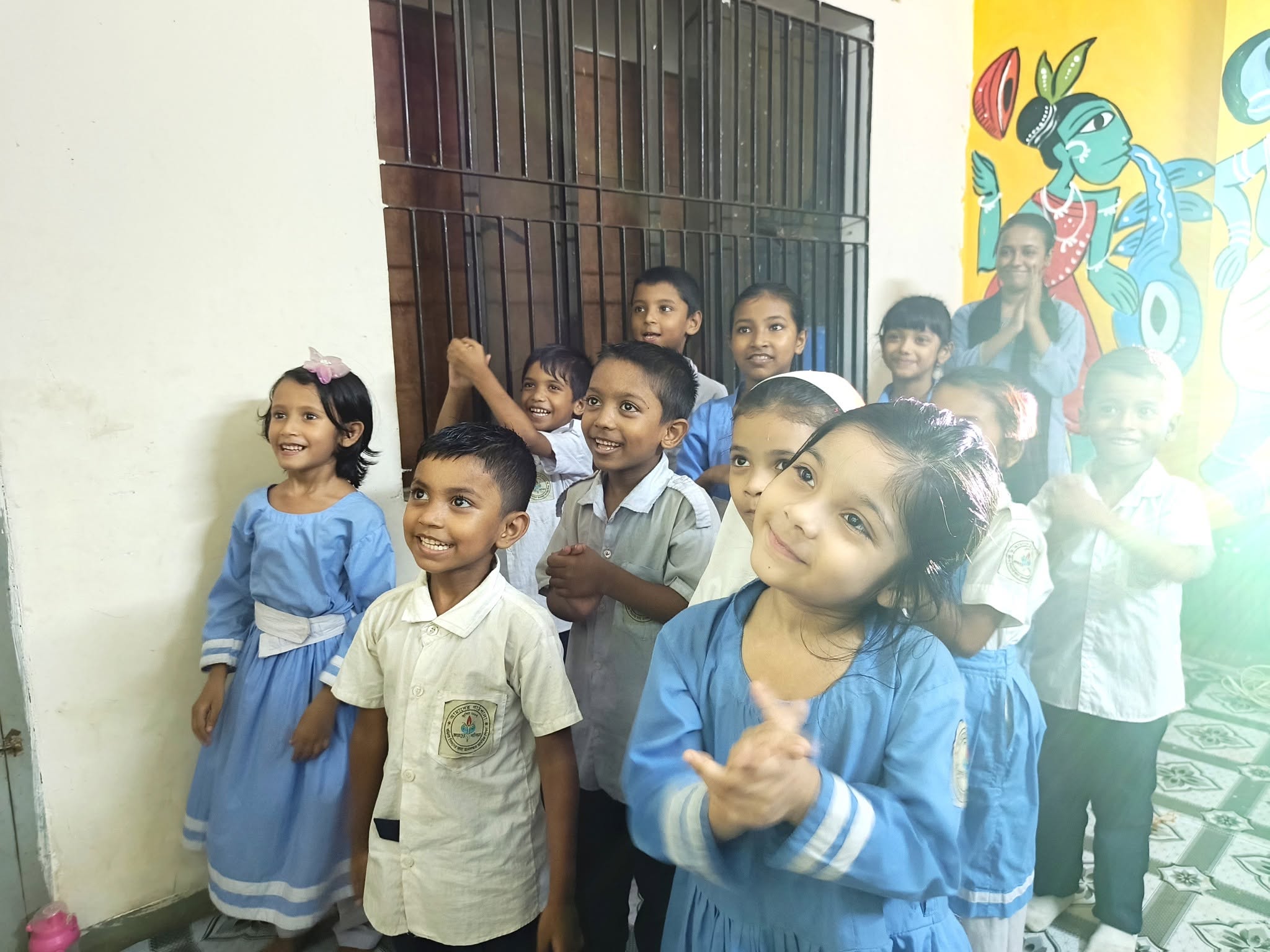
Active learning activities and storytelling are important for the holistic development of children. Not only do they help to improve language skills, but they also help cognitive abilities, social-emotional growth and physical skills. Through stories, songs, rhymes, visuals and interactive activities, children can explore new ideas, express their feelings and link learning to their everyday experiences.
Technology-enhanced storytelling and multimedia materials can provide children with exciting ways to interact with stories and learn about new ideas using words, images and sounds. According to Richard E. Mayer, the Cognitive Theory of Multimedia Learning suggests that the use of words and visuals together can assist children in understanding and meaningful learning. This corresponds with DreamWings’ application of educational videos, animations, and multimedia storytelling to enhance learning’s engagement and accessibility for children (Mayer, 2021).
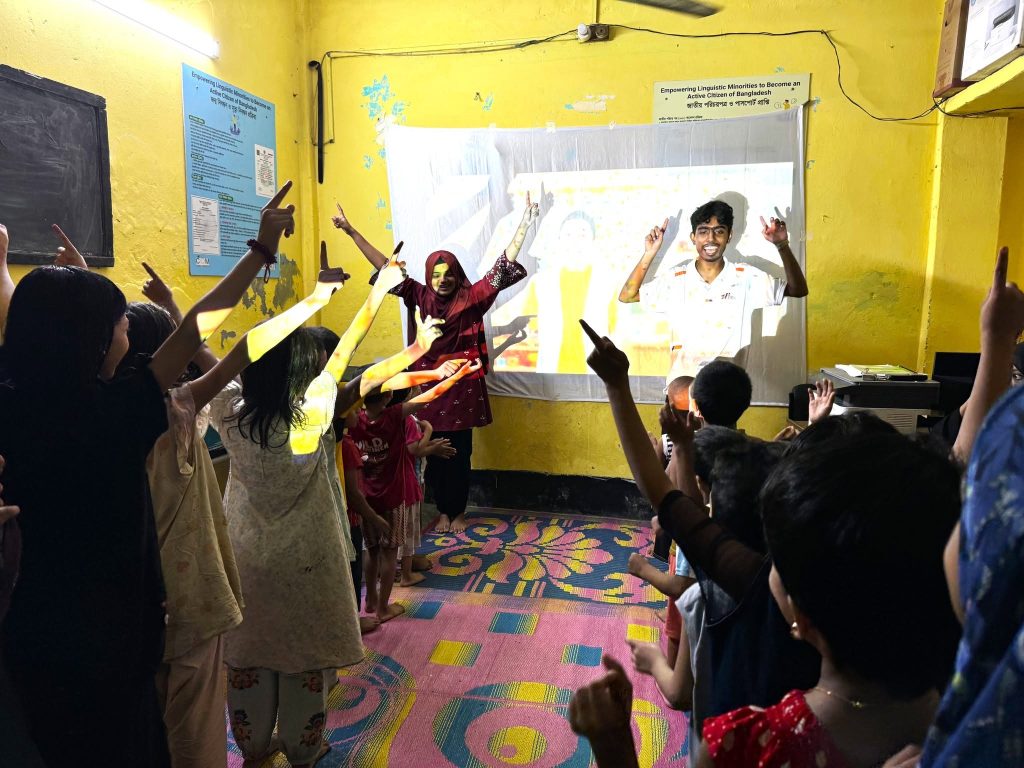
It is also a crucial time for building body awareness and knowledge of personal safety. Children begin to learn about the parts of their body from around age two. Everyday play, pictures, drawings and conversations appropriate for their age can help them learn to identify different parts of their bodies. As children grow, they can learn the correct names for private body parts and about personal boundaries, knowing when a touch is unsafe or uncomfortable and how to seek help from trusted adults. These learning experiences can help strengthen children’s body awareness and understanding of personal safety.
Throughout October, the DreamWings Project of SERAC-Bangladesh continued its learning sessions at partner schools in Mirpur, focusing on foundational learning, nutrition awareness, emotional expression, health education, personal safety, language development, and cognitive skills. Through educational cartoons, multimedia content, songs, rhymes, storytelling, and engaging learning activities, the project provided children with opportunities to learn through familiar and enjoyable experiences.
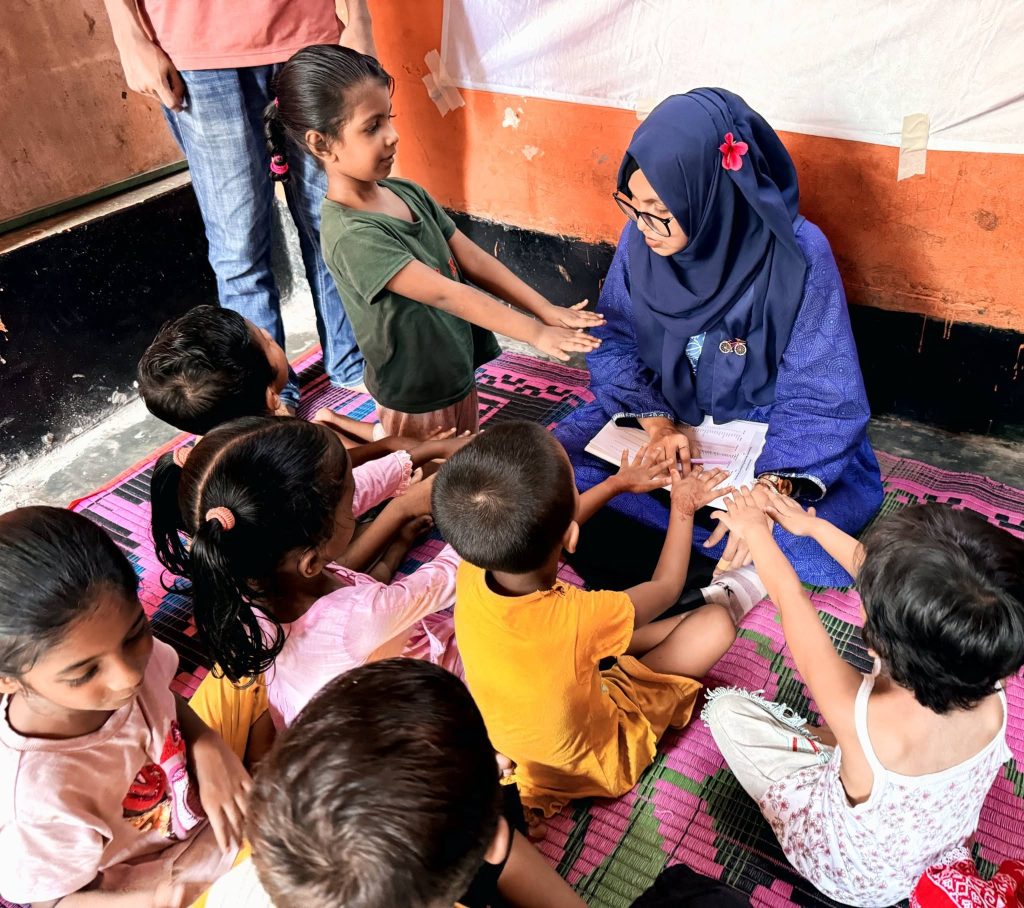
The 9th session was conducted at Al Aqsa Model Academy, Nizamuddin Memorial Pre-School (11 No. Millat Camp), and Amader Pathshala. The activities included Balanced Food, If You’re Happy and You Know It by Ms Mun, The Hare and the Tortoise, and a monitoring activity on shape identification.
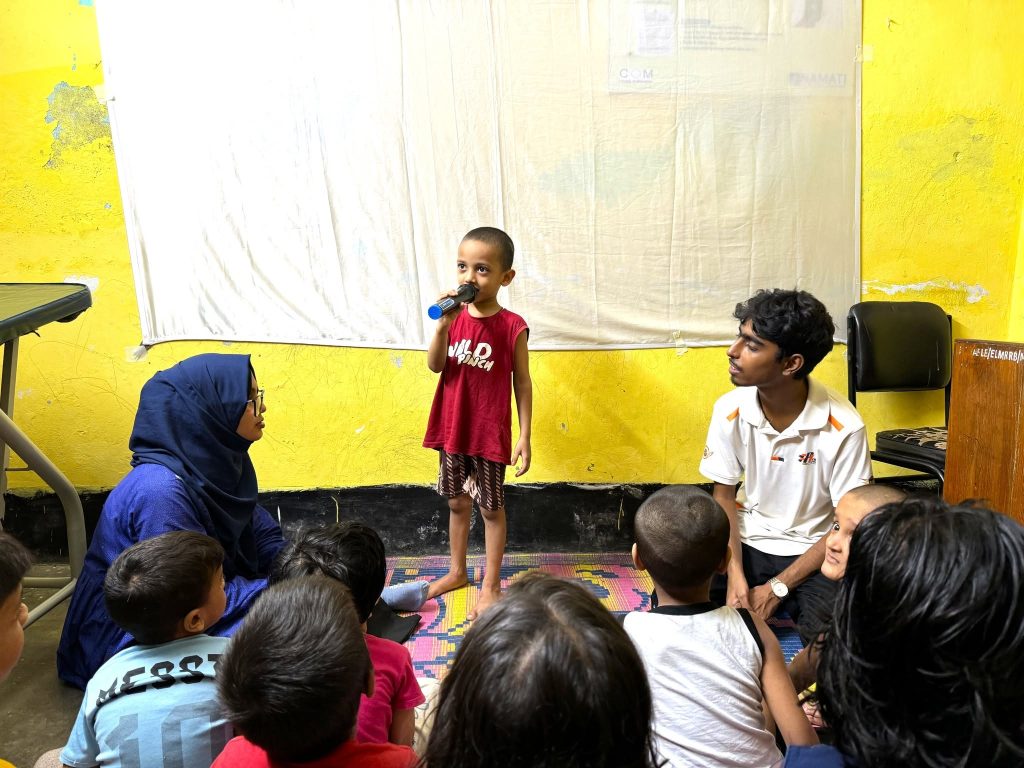
The Balanced Food session introduced children to nutritious food and healthy eating habits, helping them build awareness of the importance of balanced nutrition. The song If You’re Happy and You Know It, presented by Ms Mun, encouraged children to express emotions through music and movement while supporting listening, coordination, and active participation.
Through The Hare and the Tortoise, children explored values such as patience, perseverance, and consistent effort. The story encouraged them to follow events and understand the characters’ actions, and engage with the story’s message. The shape identification activity provided an opportunity to observe children’s recognition of different shapes and reinforce previously introduced concepts, supporting visual recognition, concentration, and early cognitive development.
The 10th session was conducted at Al Aqsa Model Academy and Nizamuddin Memorial Pre-School (11 No. Millat Camp). The activities included Good Touch, Bad Touch through a short film by BRAC, the Bengali rhyme Aata Gachhe Tota Pakhi, and The Thirsty Crow.
The Good Touch, Bad Touch short film by BRAC focused on body safety, personal boundaries, and recognising touch that may be unsafe or uncomfortable. Children were introduced to the importance of saying “no” when they feel uncomfortable and seeking help from trusted adults. This activity encouraged awareness of personal boundaries and helped bring personal safety into the learning environment in an age-appropriate way.
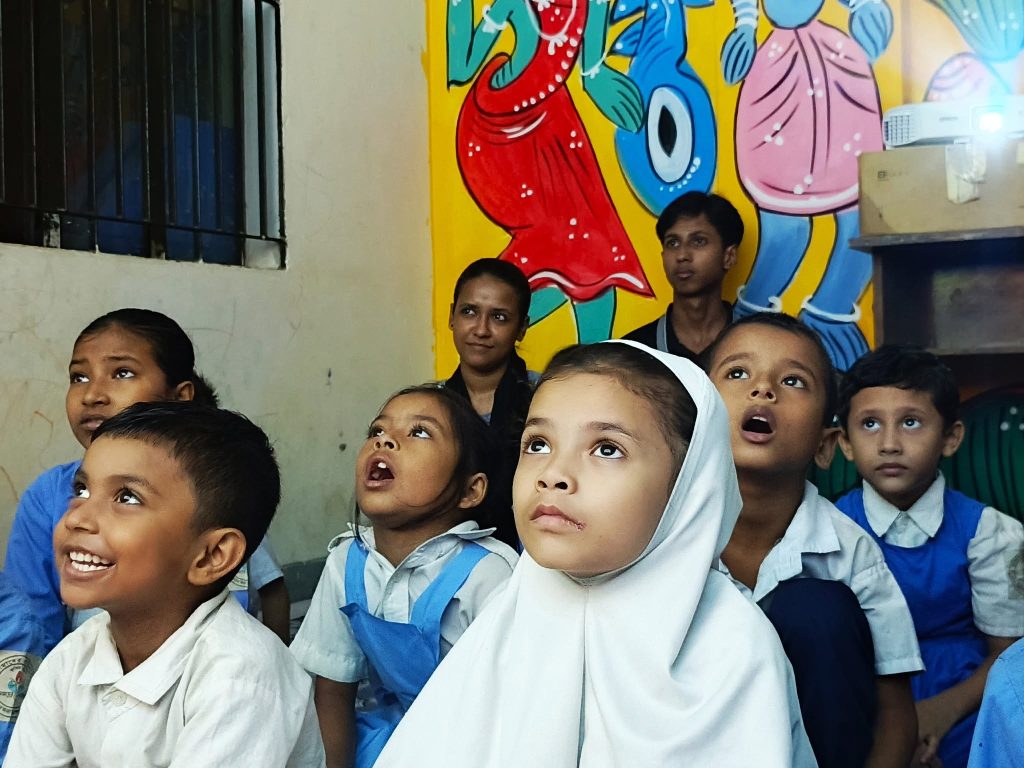
The Bengali rhyme Aata Gachhe Tota Pakhi offered opportunities for children to engage with familiar language, rhythm, and repetition. Such activities can support listening, language development, memory, and active participation. Meanwhile, The Thirsty Crow engaged children through a story about problem-solving. The crow’s attempt to reach the water provided an opportunity to explore observation, logical thinking, creativity, and simple problem-solving skills.October’s DreamWings sessions focused on developing children’s foundational knowledge and practical life skills through age-appropriate educational videos, storytelling, songs, rhymes, and interactive activities. Topics included balanced nutrition, emotional expression, personal safety through understanding good and bad touch, and cognitive development through shape identification and problem-solving stories. By connecting these topics with familiar situations and engaging learning materials, the sessions encouraged children to recognise healthy habits, express emotions, understand personal boundaries, build observation and reasoning skills, and apply what they learn in everyday life. Through these activities, SERAC-Bangladesh’s DreamWings Project continues to make early learning more engaging, relevant, and supportive of children’s overall development in partner schools in Mirpur.