
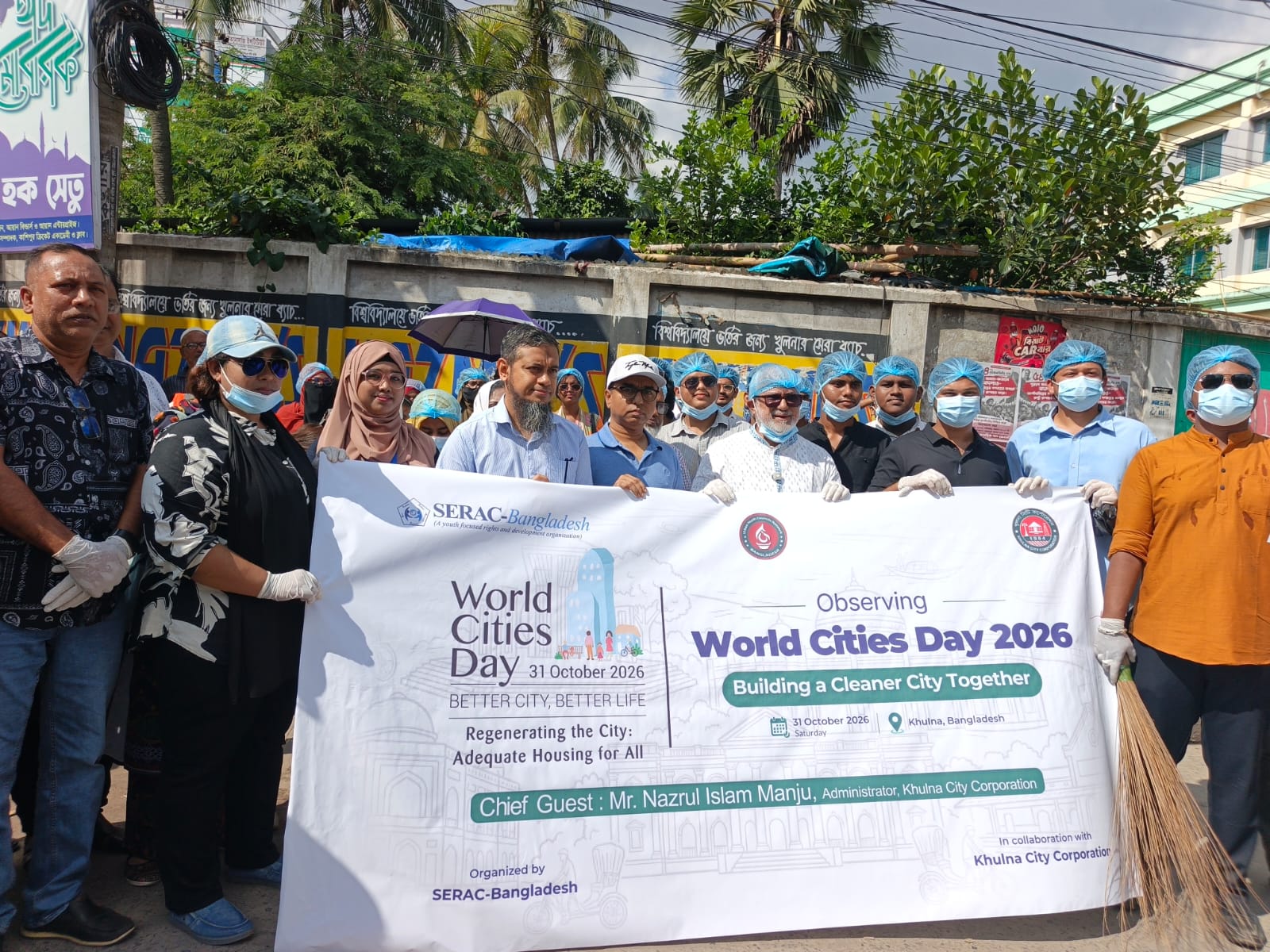
A clean and healthy city is not created by government institutions alone. It requires the active participation of citizens, communities, young people, and local organizations. Recognizing the importance of collective action, SERAC-Bangladesh, in collaboration with Khulna City Corporation, organized a city cleaning campaign in Khulna to observe World Cities Day 2026 and raise public awareness about dengue prevention and urban cleanliness.
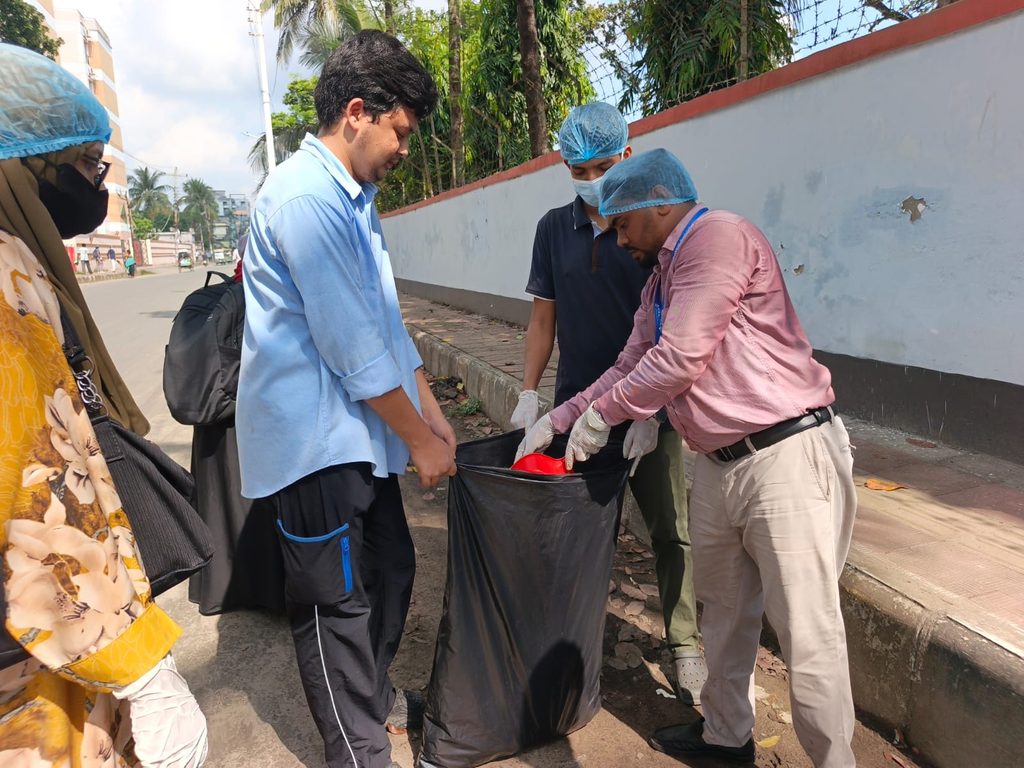
Held under the theme “Building a Cleaner City Together,” the campaign brought together young people and dedicated volunteers who took part in a cleaning initiative covering the road from Rupsha Mor to Natun Bazar. The activity highlighted a simple but powerful message: creating cleaner, healthier, and more liveable cities begins with individual responsibility and collective action.
Turning Awareness into Action
World Cities Day provides an important opportunity to reflect on the challenges faced by growing urban communities and the need to make cities more inclusive, sustainable, resilient, and healthy. In Khulna, the cleaning campaign translated these ideas into practical community action.
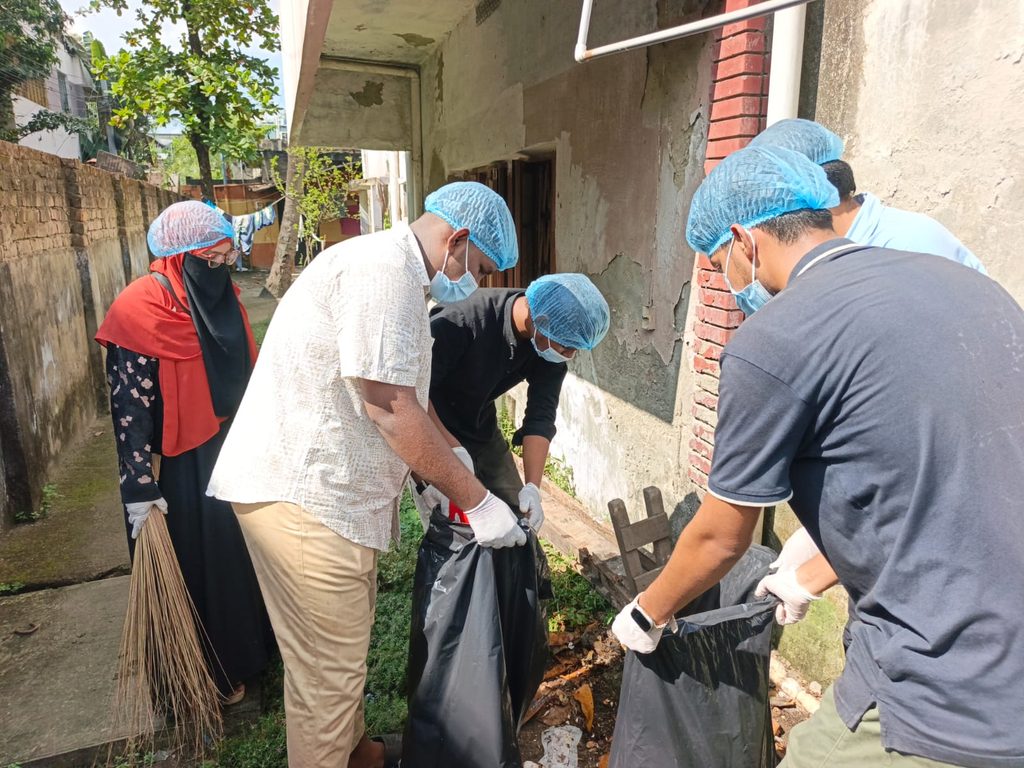
For many young volunteers, the campaign was more than simply cleaning public spaces. It was an opportunity to demonstrate leadership, encourage civic responsibility, and inspire others to take ownership of their surroundings.
Keeping roads, public spaces, and neighbourhoods clean is also closely connected to public health. Proper waste management and the elimination of places where stagnant water can accumulate are important measures for reducing mosquito breeding and supporting dengue prevention.
A Strong Message from Khulna
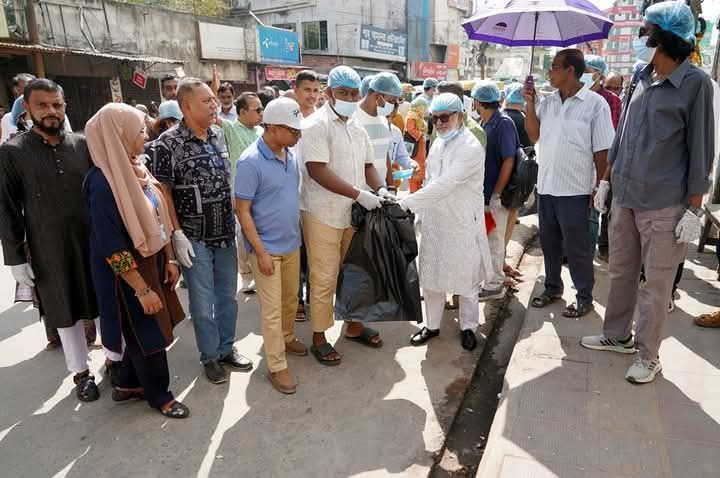
The campaign was officially inaugurated by Mr. Nazrul Islam Manju, Honorable Administrator of Khulna City Corporation, who attended the program as the Chief Guest.
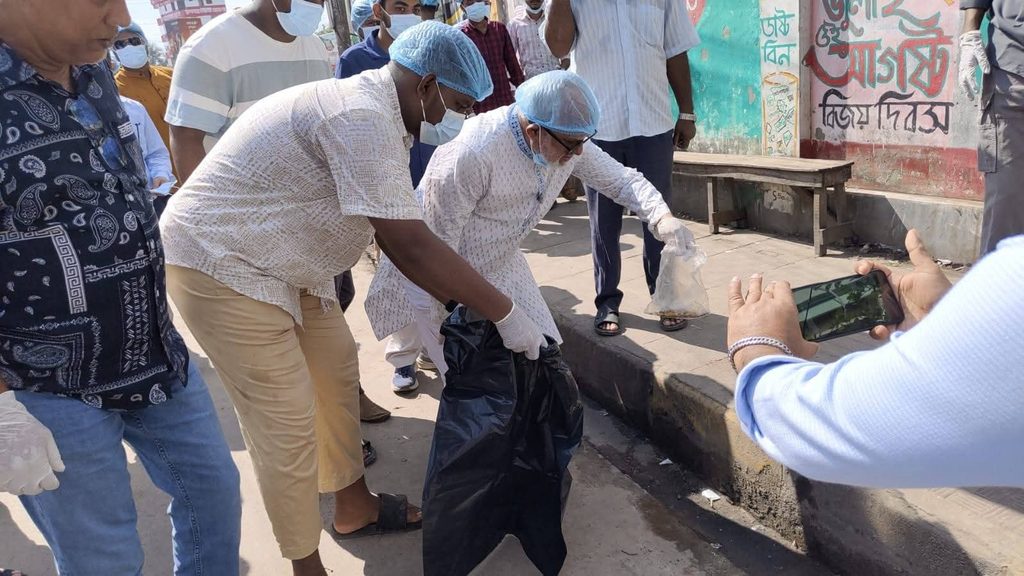
The event was also attended by Mr. Rajib Ahmed, Chief Executive Officer of Khulna City Corporation, and Mr. Reza Rashid, Secretary of Khulna City Corporation, along with other officials of Khulna City Corporation.
Their participation demonstrated the importance of collaboration between local government institutions, civil society organizations, young people, and communities in addressing urban challenges.
Representing SERAC-Bangladesh, Md. Kamran Mia, Network Officer, and Sumaya Rahman, Project Officer, were also present at the campaign and joined the collective effort.
Youth at the Heart of Change
Young people have a vital role to play in shaping the future of cities. Their energy, creativity, and willingness to take action can help transform awareness into meaningful community initiatives.
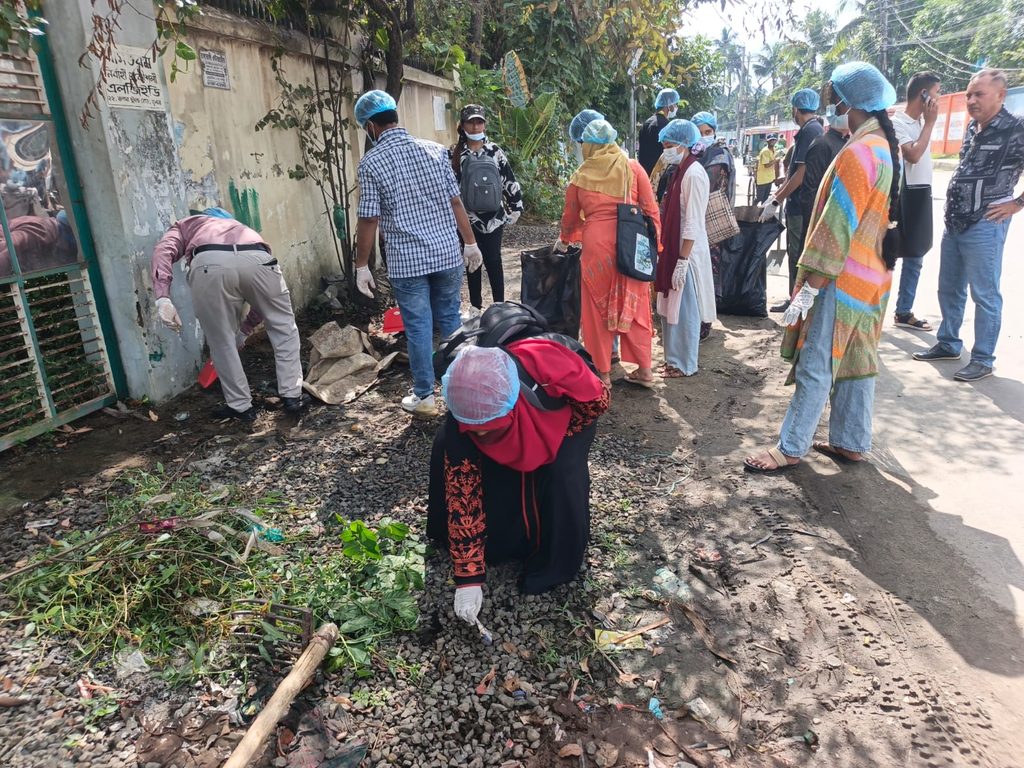
Through this campaign, young volunteers demonstrated that even a simple act such as cleaning a street can become part of a larger movement for healthier and more sustainable urban living. Their participation also sends an important message to other citizens: everyone has a role to play in keeping public spaces clean.
When young people become involved in community initiatives, they not only contribute to immediate improvements but also help build a culture of civic responsibility that can continue for years to come.
Cleaner Environment, Healthier Community
Urban cleanliness is closely connected to public health and quality of life. Unmanaged waste, blocked drainage, and stagnant water can create conditions that contribute to mosquito breeding and increase the risk of dengue transmission.
Therefore, dengue prevention cannot depend only on medical treatment or emergency responses. It also requires continuous awareness, responsible waste disposal, proper maintenance of public spaces, and active community participation.
The cleaning campaign in Khulna aimed to reinforce this message by connecting environmental cleanliness with everyday health and wellbeing.
Building a Culture of Collective Responsibility
The theme “Building a Cleaner City Together” reflects an important principle: a city belongs to everyone, and maintaining it is a shared responsibility.
Local authorities have an important role in providing services and maintaining public infrastructure. At the same time, citizens can contribute by disposing of waste responsibly, avoiding practices that create stagnant water, keeping their surroundings clean, and encouraging others to do the same.
Organizations such as SERAC-Bangladesh can help bring communities together, create awareness, and provide opportunities for young people to participate in positive civic action.
When these efforts come together, small actions can create meaningful change.
Looking Ahead
The World Cities Day 2026 cleaning campaign in Khulna was a reminder that building healthier cities requires more than plans and policies. It requires people who are willing to act.
The participation of young volunteers, local government representatives, and community stakeholders showed the potential of collaborative action in addressing urban cleanliness and public health challenges.
The journey toward a cleaner and healthier Khulna will not end with one campaign. It is a continuous process that depends on sustained awareness, responsible behaviour, and active community participation.
As we observe World Cities Day, let us remember that every clean street, every properly disposed piece of waste, and every effort to prevent mosquito breeding contributes to a healthier city.
A cleaner Khulna begins with each of us.
Together, let us continue building a cleaner, healthier, safer, and more liveable city.