
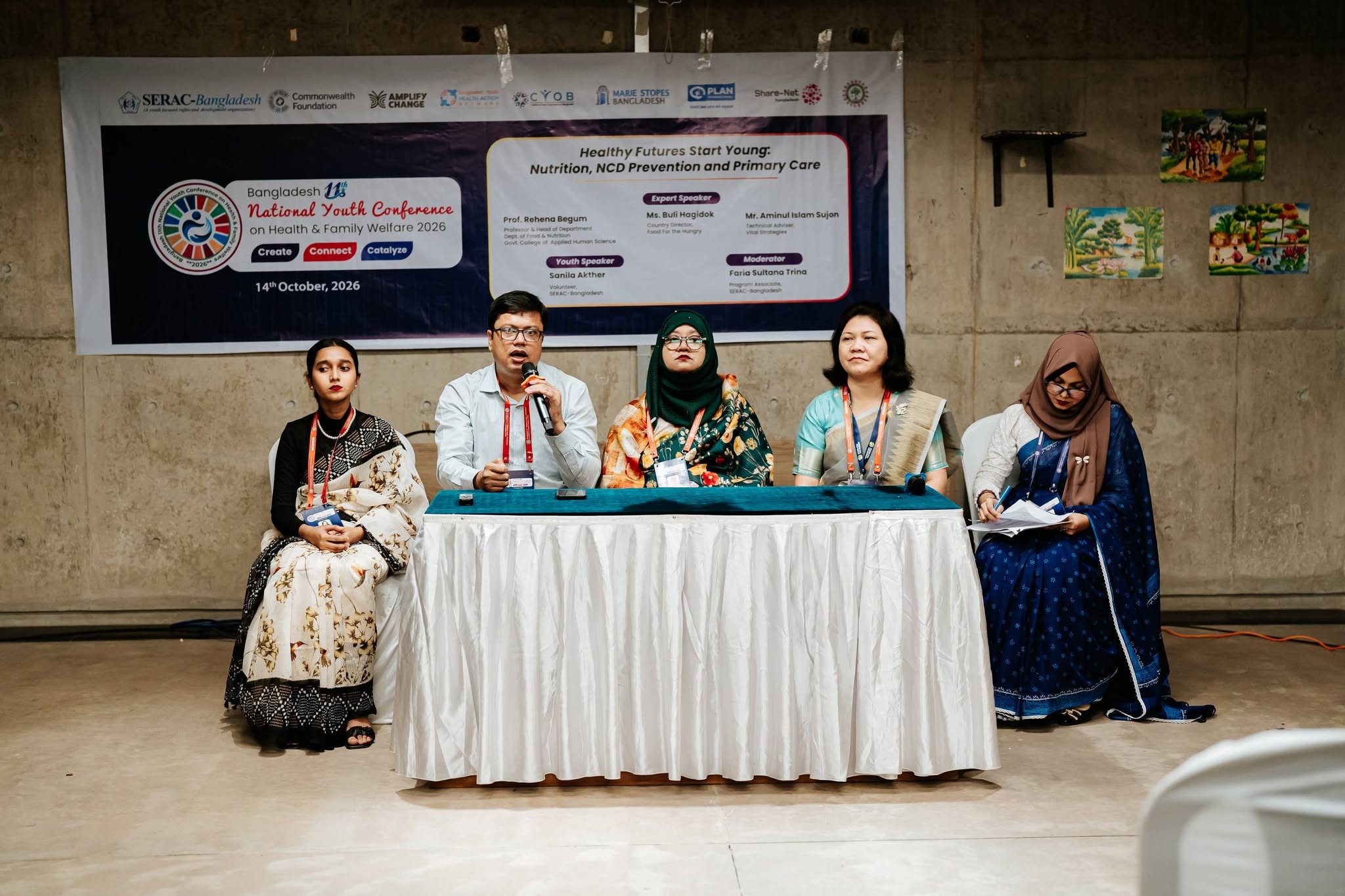
Good health begins with the habits we develop from an early age. Recognising the importance of nutrition, healthy lifestyles and early disease prevention, the session “Healthy Futures Start Young: Nutrition, NCD Prevention and Primary Care” brought together 80 participants to explore how young people can reduce the risk of noncommunicable diseases (NCDs) through informed choices and healthier everyday practices.
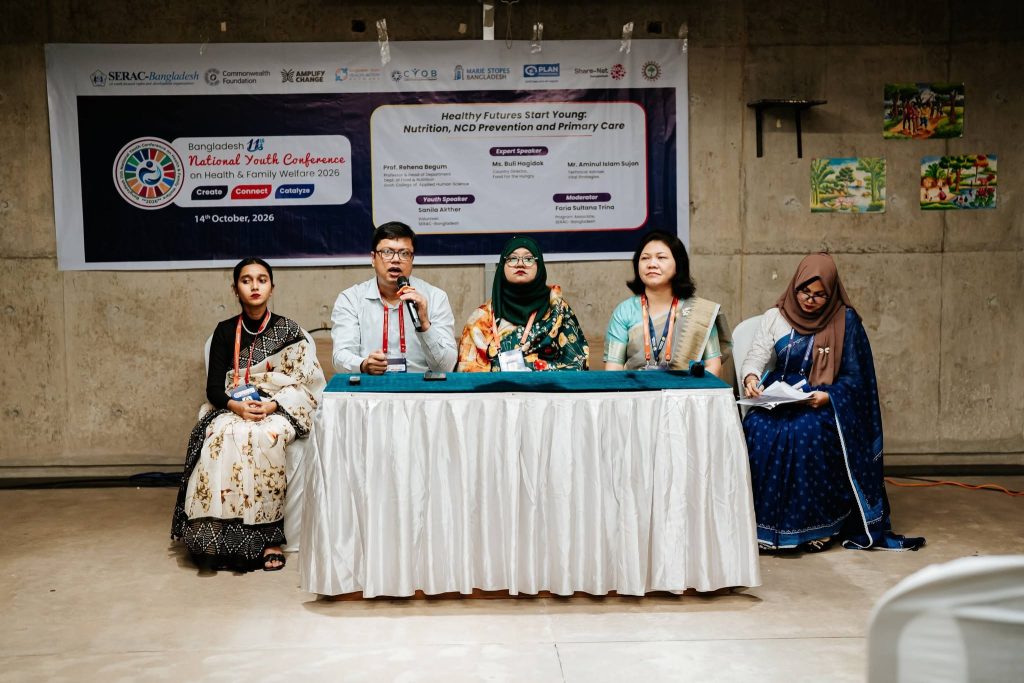
The session highlighted the importance of balanced nutrition, regular physical activity, adequate sleep, tobacco prevention and access to affordable nutritious food. Discussions also explored how families, educational institutions, communities and primary healthcare services can work together to create healthier environments for young people.
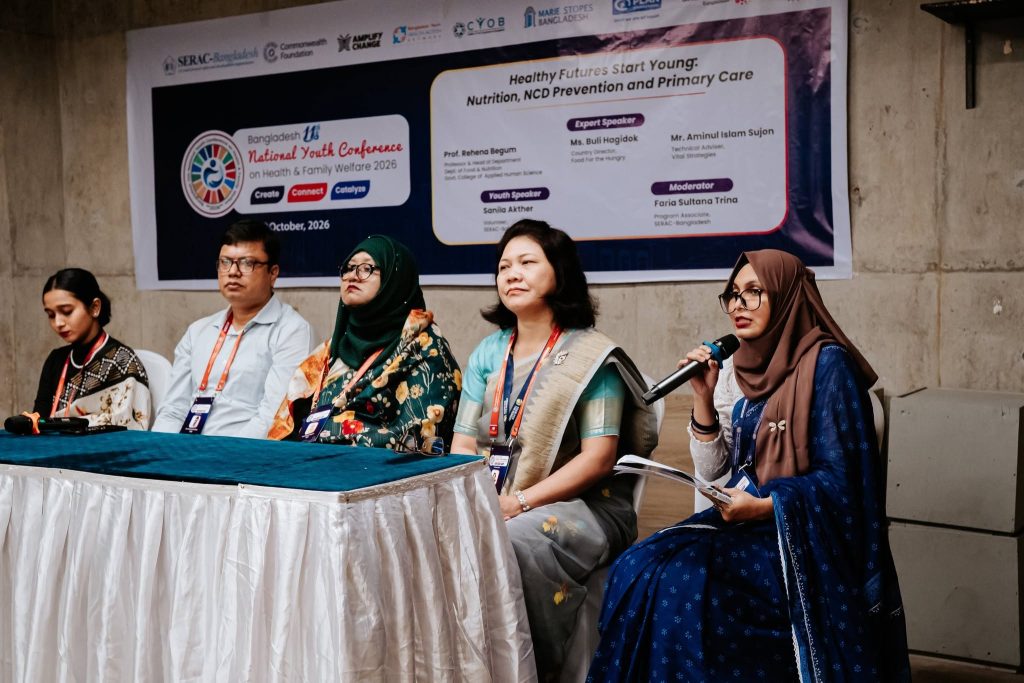
The session featured insights from a panel of distinguished speakers:
Mr. Aminul Islam Sujon, Technical Adviser, Vital Strategies
Ms. Buli Hagidok, Country Director, Food for the Hungry
Prof. Rehana Begum, Professor and Head of the Department of Food and Nutrition, Government College of Applied Human Science
The session also featured Sanila Akther, Volunteer at SERAC-Bangladesh, as the youth speaker, who shared practical experiences from her involvement in the DreamWings (স্বপ্নডানা) Project, highlighting challenges related to children’s nutrition, hygiene awareness and access to healthy food.
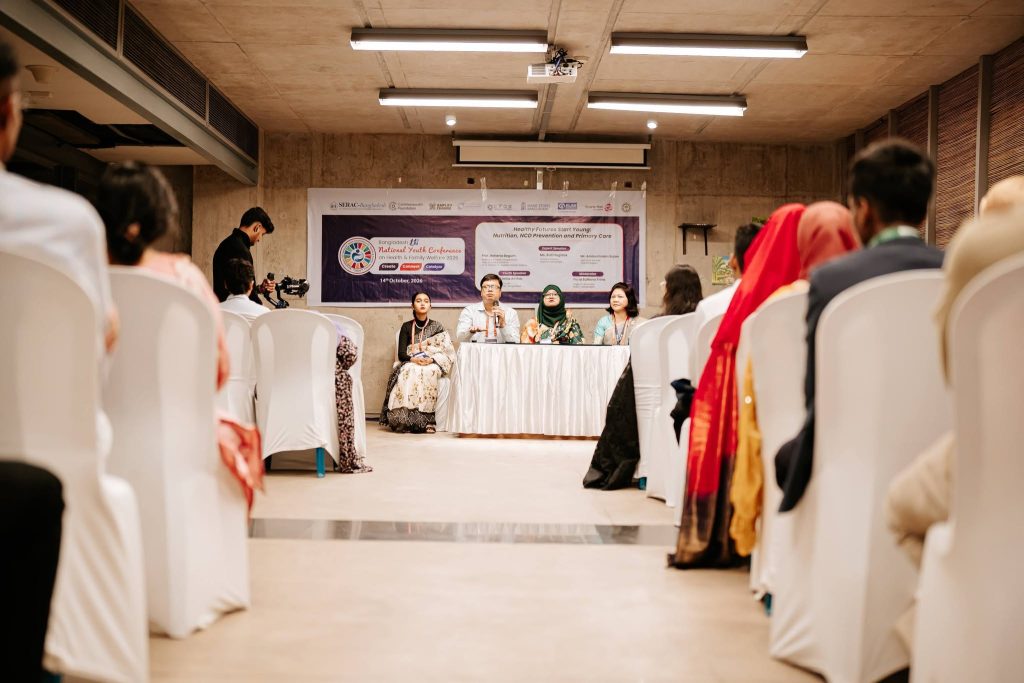
The session was moderated by Faria Sultana Trina, Program Associate at SERAC-Bangladesh, who facilitated conversations on tobacco control, maternal and child nutrition, unhealthy food habits, pregnancy-related misconceptions and the growing challenges of maintaining healthy lifestyles among young people.
Through expert insights and youth perspectives, the session emphasised that preventing NCDs requires more than individual awareness. It also depends on supportive family environments, healthier educational settings, affordable nutritious food and stronger community engagement. Participants were encouraged to adopt simple healthy habits and share accurate health information within their families and communities.
The session reinforced a key message: building a healthier generation starts with informed choices, early prevention and collective action.