
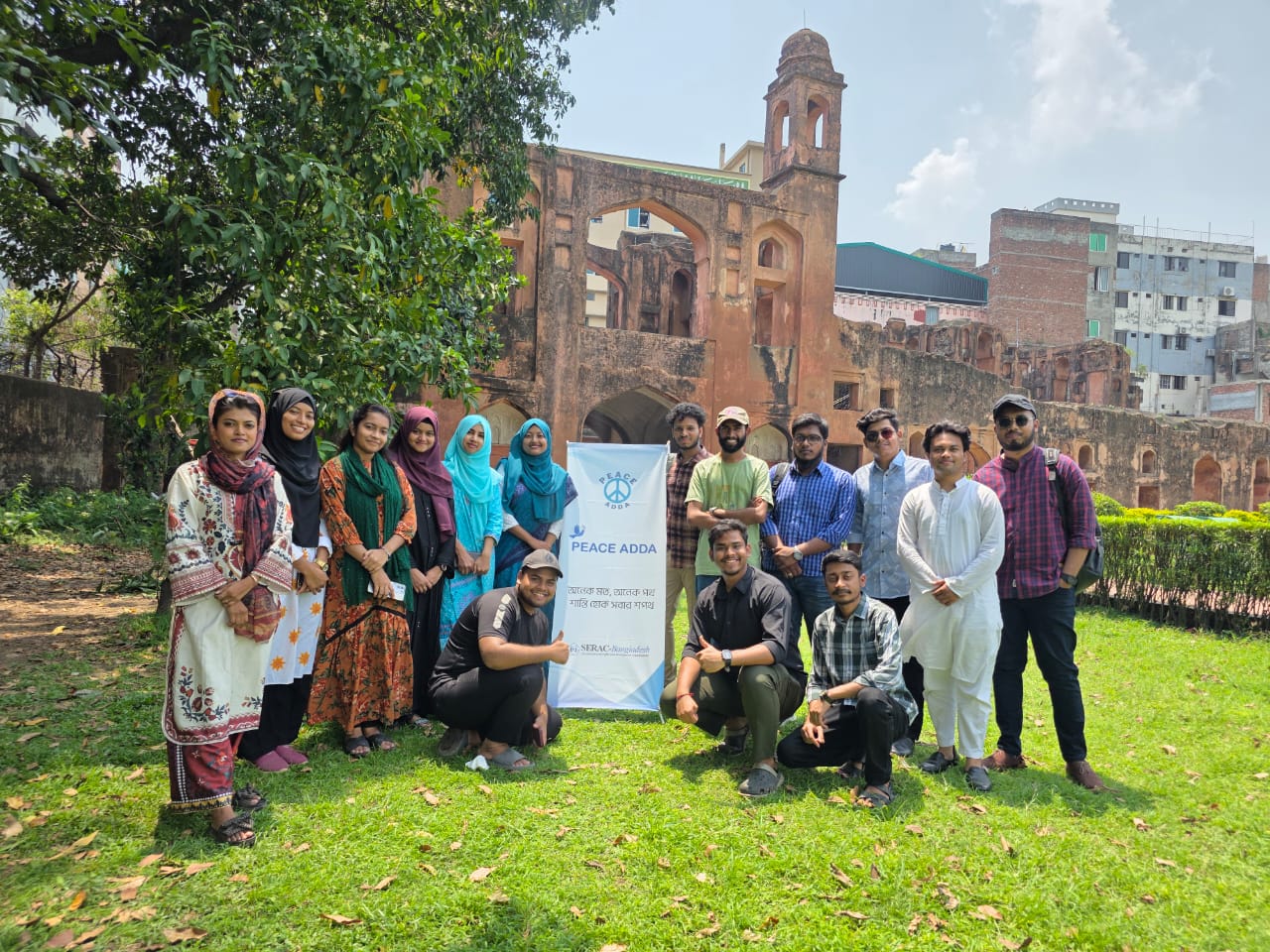
Today, April 11, 2026 we had a meaningful and engaging discussion at the Peace Adda in Lalbagh, organized by SERAC Bangladesh with the support of CIVICUS. The session created a space for young people to openly reflect on several recent social issues affecting our communities.
The Peace Adda served as more than just a discussion- it is a platform for learning, sharing experiences, and collectively thinking about how young people can contribute to positive social change. Participants explored a range of interconnected issues, from public health and legal awareness to climate change and community responsibility.
 One of the key concerns raised during the session was the increasing risk of preventable diseases such as measles. Participants highlighted how lack of public awareness continues to allow such diseases to spread, particularly in underserved and densely populated communities.
 A strong emphasis was placed on the role of youth in addressing this challenge. Young participants discussed how they can take leadership in spreading accurate health information within their communities- especially in slum and low-income areas, by:
- Sharing verified and reliable information
- Actively challenging myths and misinformation
- Encouraging vaccination and responsible health practices
The discussion reinforced the idea that awareness at the community level can play a critical role in preventing disease outbreaks.
Another important theme of the Peace Adda was the need to improve basic legal knowledge among young people and the broader community. Participants recognized that understanding laws is essential not only for protecting individual rights but also for fostering responsible citizenship and social harmony. The conversation highlighted how legal awareness can empower individuals to make informed decisions, stand up for their rights, and contribute to a more just and equitable society.
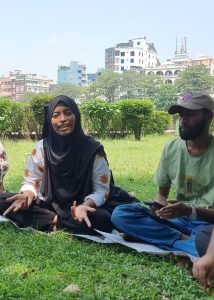 Climate change and its growing impact on daily life was another key area of discussion. Participants reflected on how environmental challenges are already affecting communities through changing weather patterns, increased vulnerability, and resource pressures. Youth were encouraged to take an active role in promoting environmental awareness and sustainable practices. Ideas included community clean-up initiatives, awareness campaigns, and encouraging environmentally responsible habits at the local level.
Throughout the session, one message remained clear: young people are not just future leaders- they are current change-makers. The Peace Adda demonstrated the power of youth engagement in addressing real-world challenges through awareness, dialogue, and collective action.
By equipping themselves with knowledge and sharing it within their communities, young people can play a transformative role in building healthier, more informed, and more resilient societies.
As these conversations continue, the hope is to see more young people stepping forward, not only to talk about change but to actively lead it in their communities.