
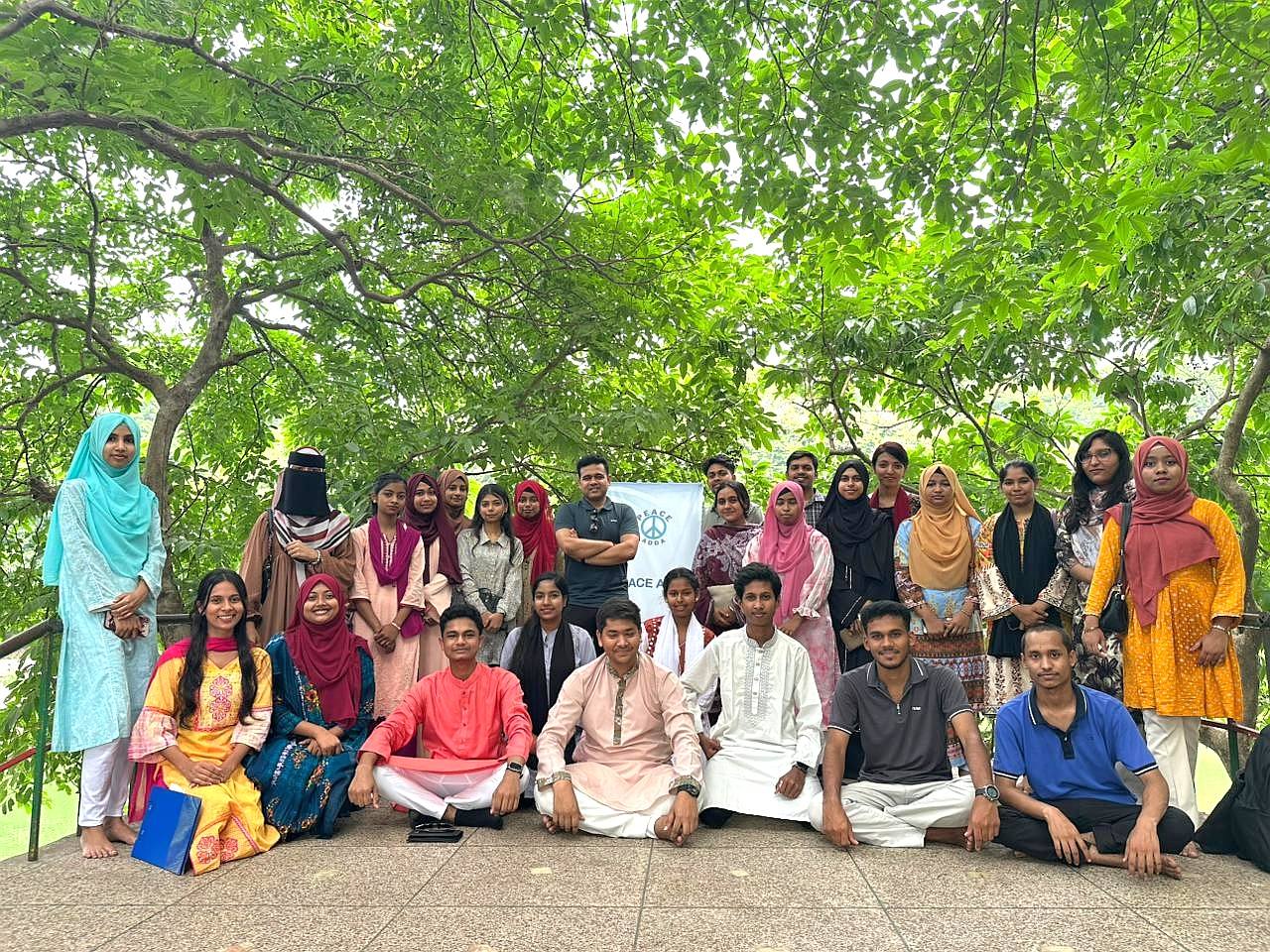
A vibrant Peace Adda held today in Dhaka brought together passionate voices to reflect on how communities can better protect and nurture children. Organized by SERAC-Bangladesh with support from CIVICUS, the session created a welcoming and thoughtful space for dialogue around some of the most pressing social challenges affecting families today.
The discussion centered on child abuse prevention, healthy child development, micro-education, and the importance of effective communication strategies for parents. Participants repeatedly highlighted a powerful reality: the everyday behavior of parents and caregivers has a profound influence on children’s mental health, emotional wellbeing, growth, and future life outcomes. When families are equipped with the right knowledge and tools, children are far more likely to grow into confident and resilient individuals.
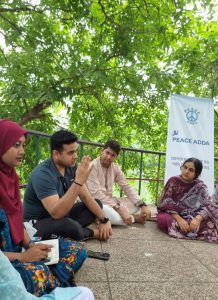
One of the strongest messages from the gathering was the urgent need for accessible communication materials and community learning sessions that promote positive parenting practices. Many parents genuinely want to provide the best environment for their children but often lack guidance on non-violent discipline, emotional communication, and supportive caregiving. Addressing this gap through community engagement was seen as both necessary and achievable.
Participants emphasized the potential of community-based micro-education as a practical solution. Short, simple, and consistent learning sessions delivered within neighborhoods can help parents absorb and apply key messages in their daily lives. This grassroots approach makes education more relatable, inclusive, and sustainable, allowing communities to gradually build a culture that prioritizes safe and nurturing childhoods.
The conversation also explored the opportunity to learn from international examples. Many countries have established strong systems dedicated to child wellbeing and protection. By collecting evidence, mapping existing initiatives, and adapting proven practices to the context of Bangladesh, there is real potential to develop a coordinated national framework that supports children and families more effectively.
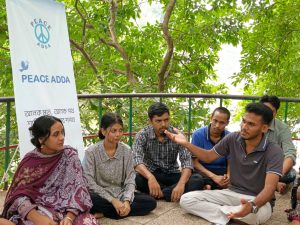 Collaboration emerged as the central theme for moving forward. Engaging community leaders, educators, youth influencers, grassroots organizations, and parents themselves will be essential to spreading awareness and sustaining long-term impact. When local stakeholders take ownership of these messages, change becomes deeply rooted and far-reaching.
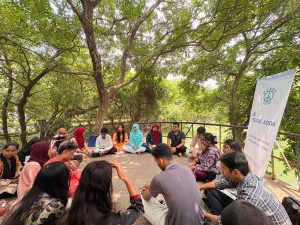 The Peace Adda served as a powerful reminder that Bangladesh has the potential to transform this approach into a national movement. By investing in micro-education, strengthening partnerships, and turning dialogue into action, we can work toward a future where every child grows up in a safe, supportive, and nurturing environment.