
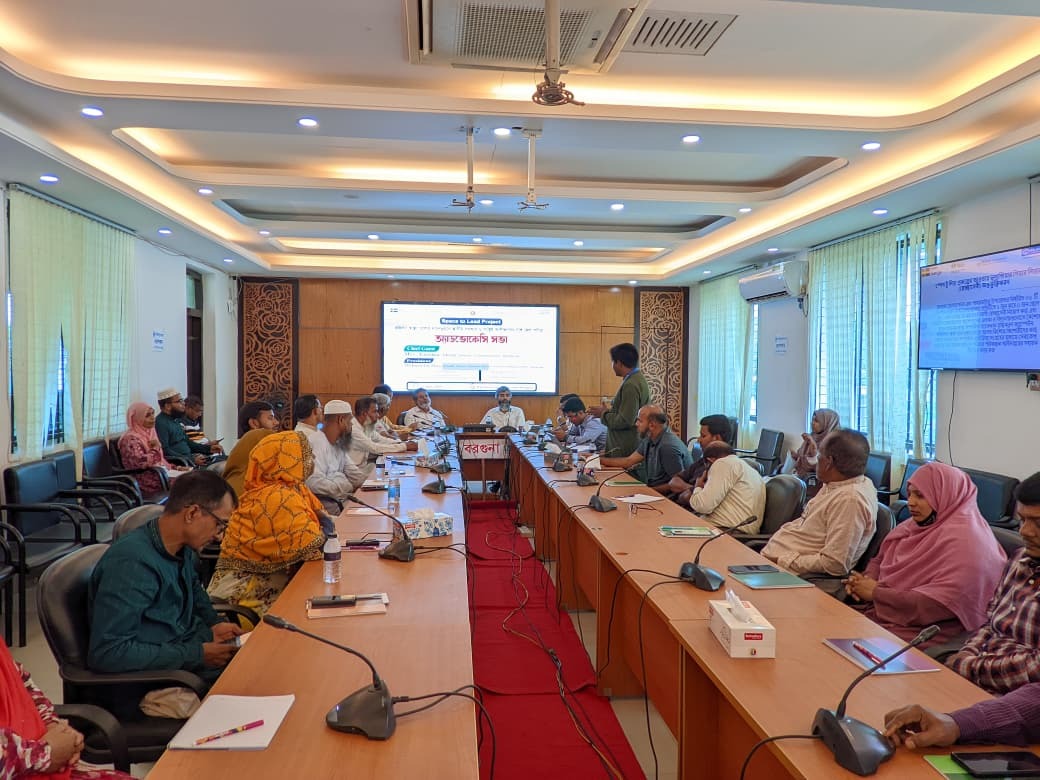
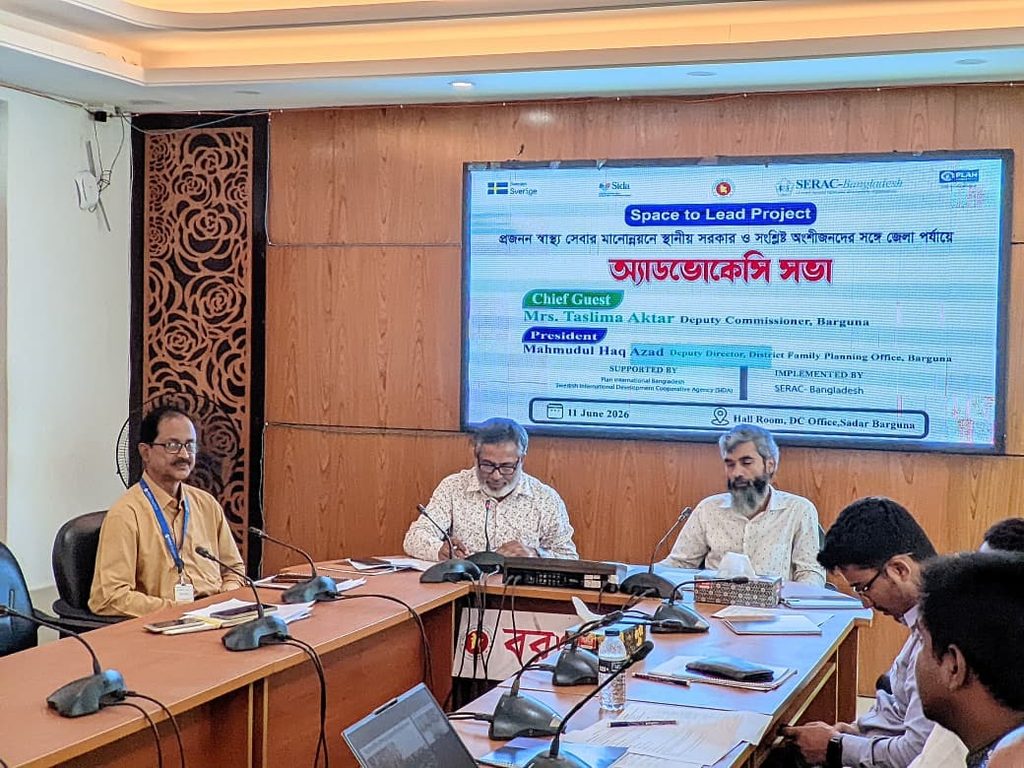
On 11th June, to ensure quality reproductive health services for adolescents and young people and to make reproductive health services more accessible and effective, SERAC-Bangladesh, with funding from the Swedish International Development Cooperation Agency (SIDA) and technical support from Plan International Bangladesh, organized a district-level advocacy meeting under the “Space to Lead” project in Barguna. A.S.M. Kashem, Deputy Director, Local Government (DDLG), Barguna, attended as the Chief Guest. The meeting was chaired by Mr. Mahmudul Haq Azad, Deputy Director, District Family Planning Office, Barguna. Special guests included Mr. Niaz Makhdum, Upazila Family Planning Officer, Barguna Sadar; Dr. Prince Kumar Roy, Upazila Family Planning Officer, Patharghata; and Mr. Mehedi Hasan, Medical Officer, Upazila Health Complex, Patharghata, Barguna. The session was facilitated by Md. Salim Miah, Deputy Director (Program), SERAC-Bangladesh.
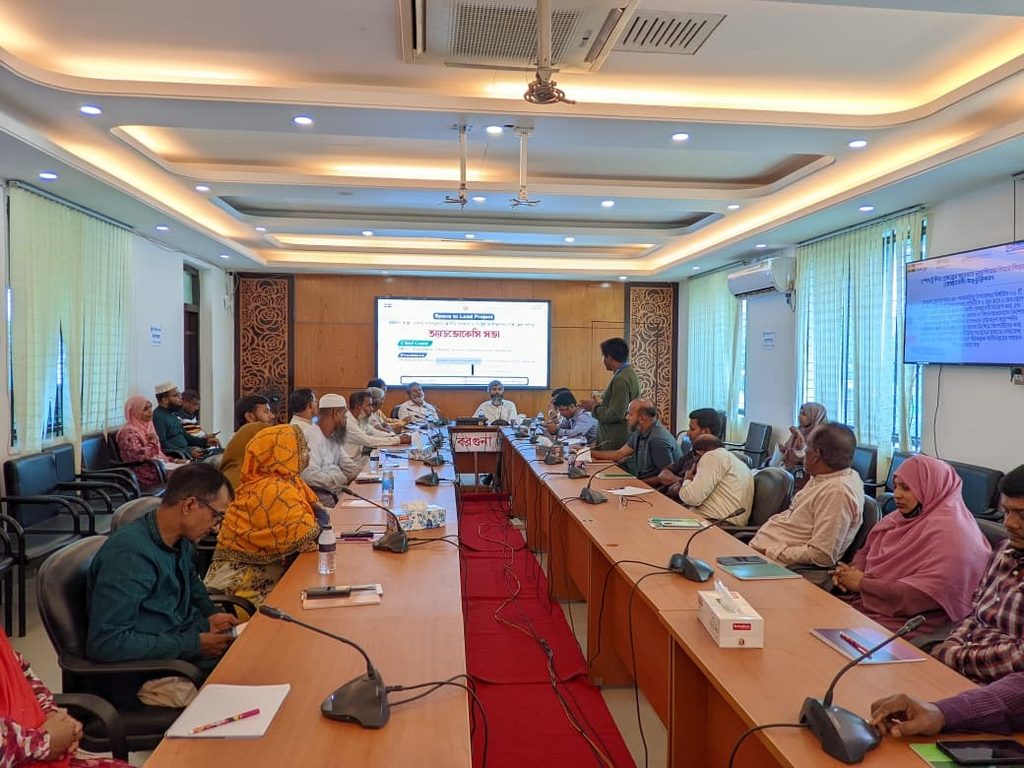
The meeting was held at the Conference Room (Payra) of the Deputy Commissioner’s Office, Barguna, bringing together representatives from the District Family Planning Office and District Health Office, local government representatives, service providers, elected representatives, youth representatives, volunteers and other relevant stakeholders. The meeting served as an important platform for dialogue and collective reflection on strengthening adolescent health and rights, improving the quality and accessibility of existing health services, and promoting a more responsive and adolescent-friendly healthcare system at the local level.
Under the “Space to Lead” project, various interventions are being implemented across six unions in Barguna Sadar and Patharghata Upazilas to increase awareness about Sexual and Reproductive Health and Rights (SRHR), conduct community-level awareness activities, establish referral linkages with health service facilities, and strengthen coordination with Facility Management Committees.
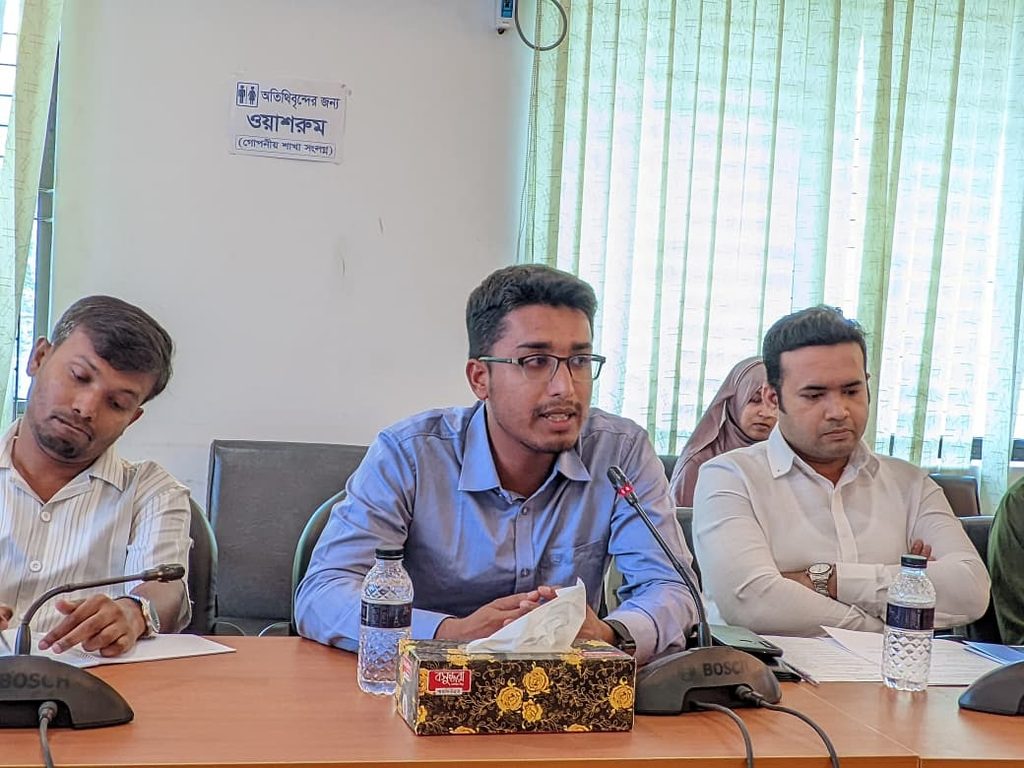
A key component of the project is the Volunteer Peer Leader (VPL) model, which creates opportunities for adolescents and young people to take leadership in sharing health and rights-related information within their communities. Twelve VPLs are working across the six unions, engaging regularly with adolescents, providing information about available health services, facilitating referrals when necessary, and raising awareness on various health and social issues.
During the discussion, participants emphasized the importance of ensuring a safe, confidential, non-discriminatory, and youth-friendly environment for adolescents. They also highlighted the need to ensure the availability of information, essential medicines and equipment, as well as respectful and supportive behavior from service providers. Participants observed that stronger coordination among healthcare providers, local government institutions, educational institutions, families and communities can help reduce barriers to healthcare access and improve the overall quality of services for adolescents.
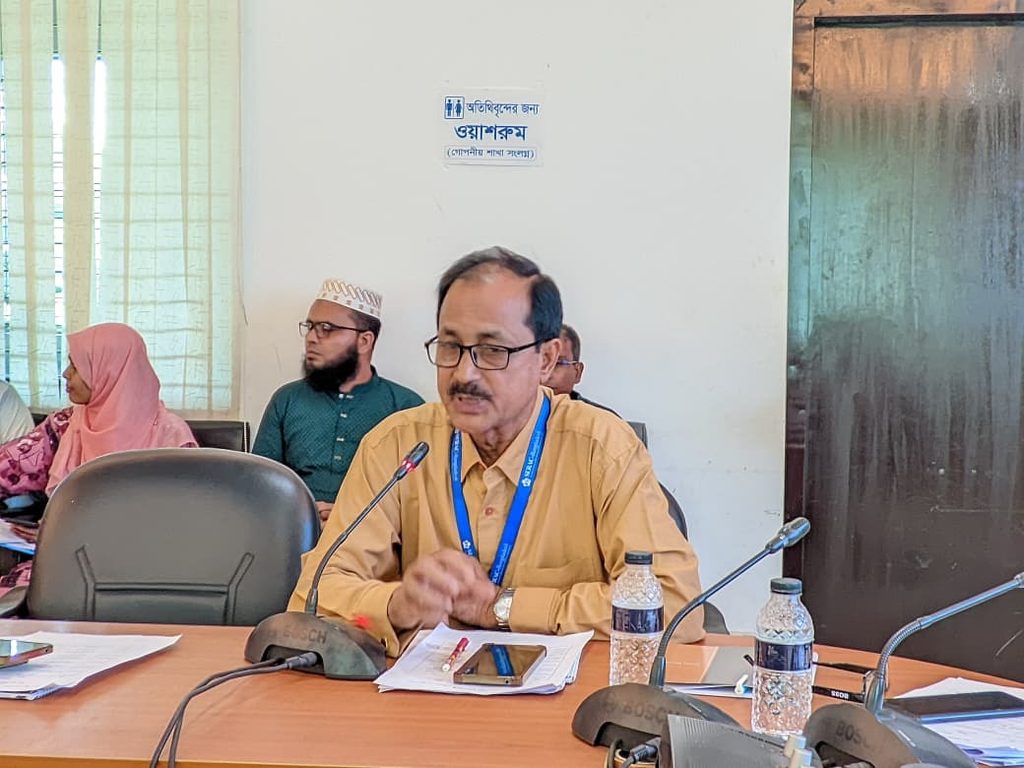
As a facilitator, Md. Salim Miah shared the experience of the VPL model and highlighted its contribution to adolescent health and rights. He noted that youth leadership and active community participation are creating opportunities to increase adolescents’ awareness while connecting them with appropriate health services. He emphasized the importance of continued support from the administration, elected representatives, and other stakeholders to sustain and further strengthen these initiatives at the local level.
Chief Guest A.S.M. Kashem emphasized that the health and rights of adolescents should be considered an integral part of local development planning. He stressed the importance of ensuring adequate allocation for health and family planning services in the Union Parishad budgets for the 2026–2027 fiscal year. He also called for greater involvement of local representatives in raising community awareness about health services and taking locally appropriate initiatives to address the needs of health facilities. Appreciating the initiatives of the “Space to Lead” project, he assured the meeting of necessary support from the district administration.
In his remarks, Mr. Mahmudul Haq Azad, Chair of this meeting, said that the “Space to Lead” project aims to reach approximately 5,000 adolescents with information, awareness and adolescent health services. He emphasized the importance of ensuring that adolescents receive accurate information, are encouraged to seek appropriate health services, and have access to functional adolescent-friendly corners at health facilities.
He further stressed the expansion of school-based awareness activities, strengthening the capacity of health service facilities, and enhancing coordination among relevant government departments and local stakeholders.
The discussions highlighted a shared understanding that ensuring adolescents’ health and rights cannot be achieved by the health sector alone. It requires the collective engagement of local government, health service facilities, educational institutions, families, communities, and adolescents themselves. Increased local investment in the health sector, together with the effective use of available resources, can further contribute to making these initiatives sustainable.
Among others, the meeting was attended by Volunteer Peer Leaders of the Space to Lead Project, Md. Shafiullah, Project Coordinator, and Md. Rabiul Islam, Advocacy and Capacity Development Officer, SERAC-Bangladesh.
The district-level advocacy meeting served as an important platform for strengthening dialogue, coordination, and shared commitment among stakeholders to improve reproductive and adolescent-friendly health services in Barguna. The collective commitments emerging from the meeting are expected to contribute to building a more **accessible, inclusive, responsive, and sustainable health service system** for adolescents and young people at the local level.