
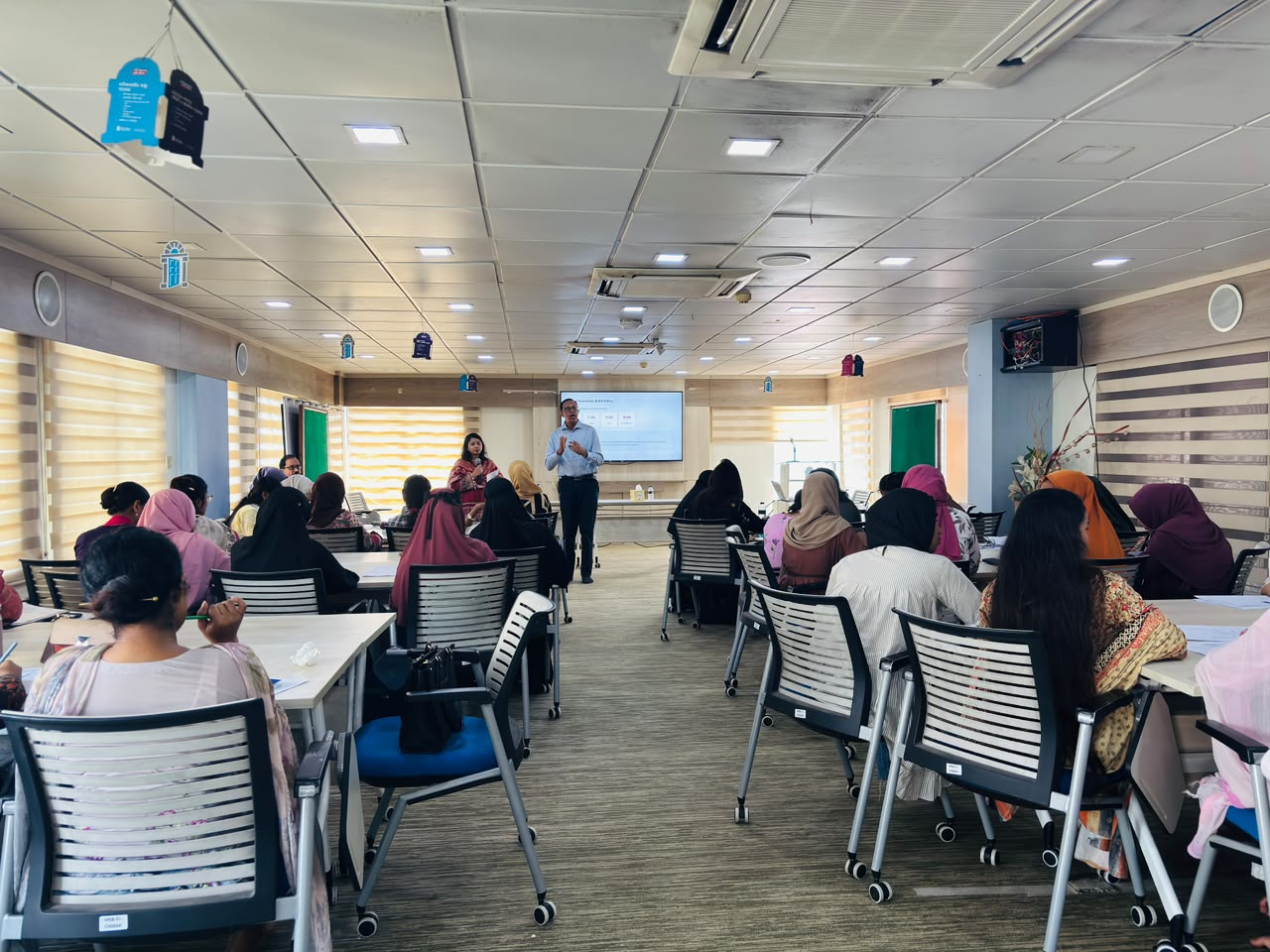
Young people can play a powerful role in connecting communities with the information and services they need. Building on this potential, SERAC-Bangladesh, in collaboration with Marie Stopes Bangladesh (MSB), is expanding its Community-Based Mobiliser (CBM) network under the pilot project “Private Sector Strengthening to Provide SRH Services in Urban Areas.” The second phase brings together 39 new CBMs alongside the 23 CBMs engaged in the initial phase, creating a combined network of 62 CBMs working across 20 urban areas in Dhaka South City Corporation (DSCC) and Dhaka North City Corporation (DNCC).
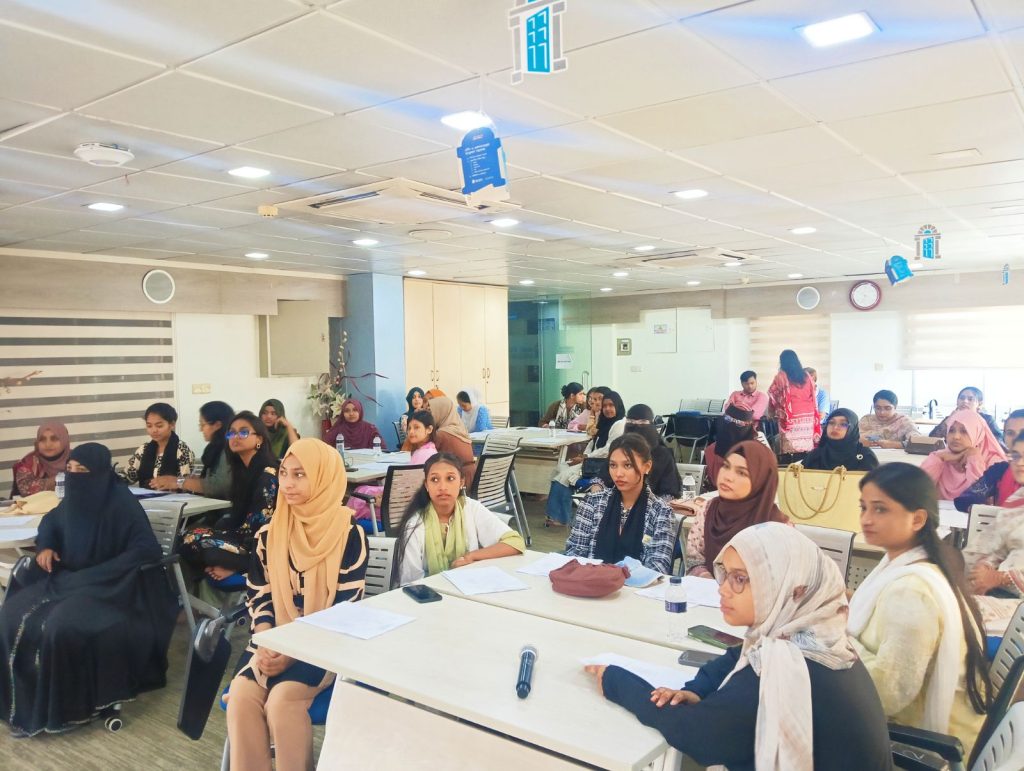
Through this pilot initiative, MSB and SERAC-Bangladesh are working together to strengthen community engagement, demand generation, and awareness of accessible and quality Sexual and Reproductive Health (SRH) services in urban areas. As part of the collaboration, SERAC-Bangladesh is engaging and coordinating CBMs who will work at the community level to increase awareness of available SRH information and services, support demand generation, and strengthen connections between communities and appropriate service providers.
The expansion builds directly on the experience of the first cohort of 23 CBMs. Rather than replacing the existing mobilisers, the 39 newly engaged CBMs will work alongside the first cohort throughout the pilot phase. This brings together experience from the initial phase with additional community-level capacity, creating a wider network for outreach, engagement, and learning. The expansion also extends the initiative from 7 initial areas to a total of 20 urban areas across DSCC and DNCC, allowing the project to engage with a broader range of communities.
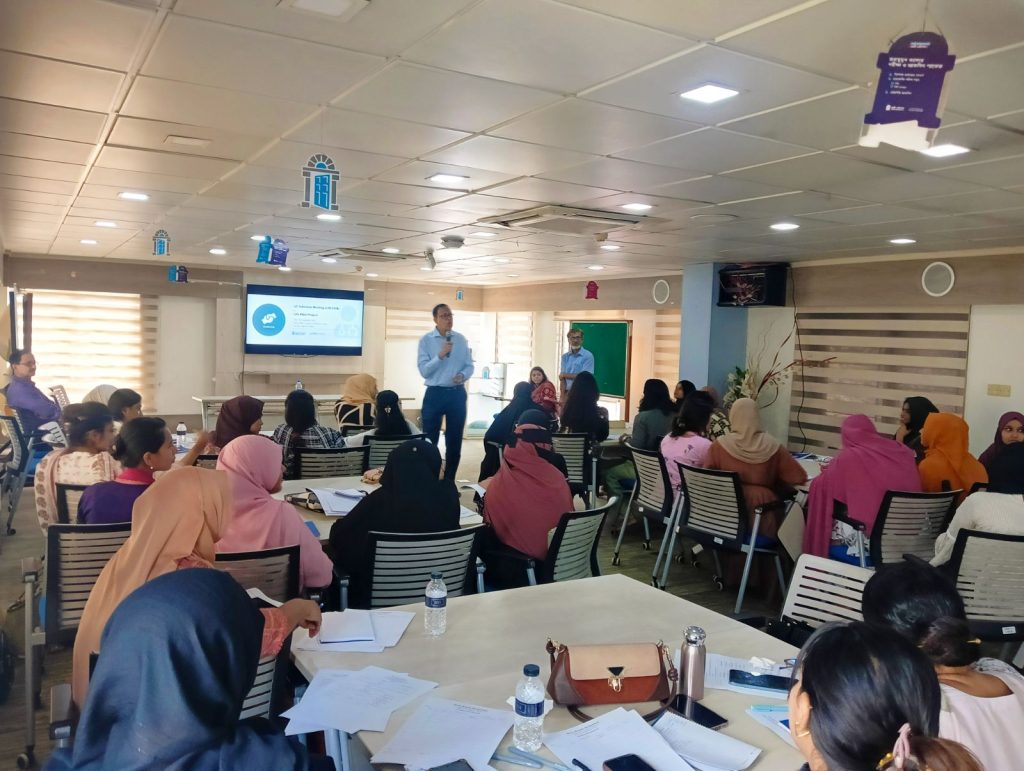
The engagement of young people is central to this approach. Youth are often closely connected to their communities and can help facilitate conversations around SRH in ways that are accessible, respectful, and responsive to local needs. Through their involvement, the 62 CBMs will contribute to raising awareness of SRH information and services, engaging community members in conversations around SRH, supporting demand generation for quality services, connecting people with appropriate service providers, and encouraging informed and responsible health-seeking behaviour.
The initiative recognizes that strengthening access to SRH services requires more than simply making services available. People also need reliable information, awareness of available options, trusted community engagement, and meaningful connections to appropriate services. In diverse and rapidly changing urban communities, these needs can vary considerably. By working directly within communities, CBMs can help identify local information needs, facilitate conversations, and contribute to stronger pathways between people and SRH services.
The collaboration between MSB and SERAC-Bangladesh brings together complementary strengths: MSB’s expertise in SRH service provision and quality care, and SERAC-Bangladesh’s experience in youth engagement, community mobilization, communication, and demand generation. Through this partnership, the pilot seeks to strengthen the connection between community needs and the private-sector SRH service system, while creating opportunities for young people to contribute meaningfully to community-level engagement.
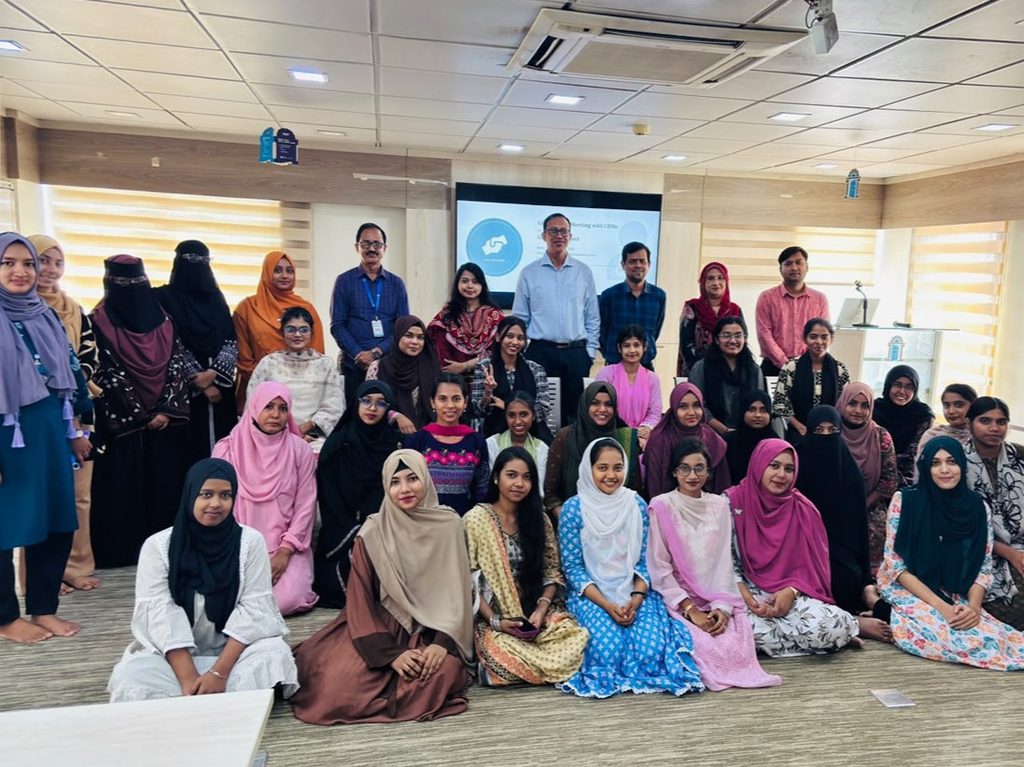
The expansion from 23 to 62 CBMs represents an important step in the development of the pilot. With 39 new CBMs joining the existing 23, the initiative now has a broader community network working across 20 urban areas in DSCC and DNCC. Together, the two cohorts can share experiences, extend outreach, and strengthen community connections to SRH information and services.
The “Private Sector Strengthening to Provide SRH Services in Urban Areas” pilot represents a collaborative effort between SERAC-Bangladesh and Marie Stopes Bangladesh (MSB) to strengthen community engagement and demand generation while improving awareness of and connections to accessible and quality SRH services. By expanding the CBM network and placing young people at the center of community engagement, the initiative aims to build stronger connections between communities, information, and services and contribute to a more informed and responsive urban SRH environment.