
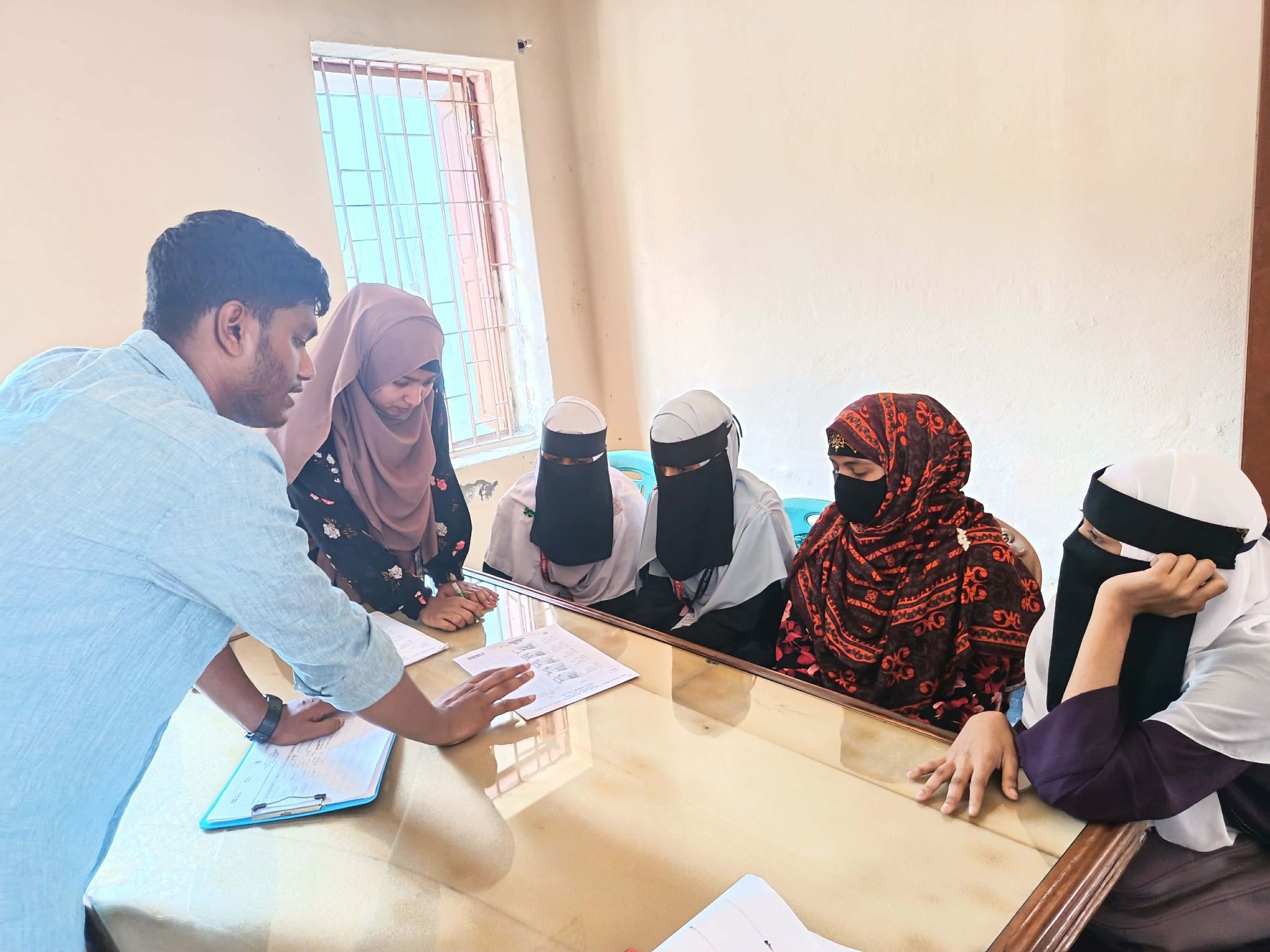
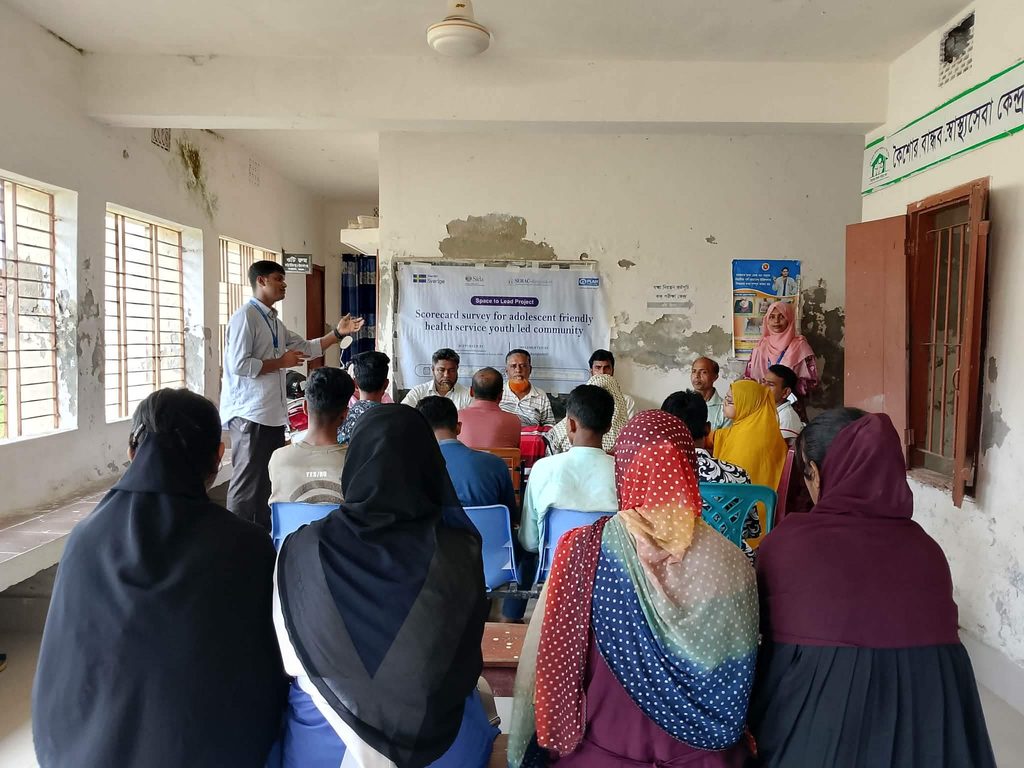
From 17 to 24 May 2026 Under the “Space to Lead” Project, SERAC-Bangladesh with financial support from the Swedish International Development Cooperation Agency (SIDA) and technical support from Plan International Bangladesh, organized a series of Community Score Card (CSC) sessions using the tool approved by the Directorate General of Family Planning (DGFP) at the Union Health and Family Welfare Centers (UH&FWC) located across six unions Gourichanna, M. Baliyatoli and Aylapatakata in Barguna Sadar Upazila and Kakchira, Rayhanpur, and Nachanapara in Patharghata Upazila.
The CSC assessment and coordination meeting was held separately at each Union Health and Family Welfare Center with the participation of service providers, service recipients, members of the UH&FWC Management Committees, Volunteer Peer Leaders (VPLs) and other community stakeholders.
During the assessment and coordination meeting, participants evaluated the quality of healthcare services, infrastructure and environment, the availability of medicines, the functionality of the Adolescent-Friendly Health Service (AFHS) Corner and other service components. Using the Community Score Card tool, participants assigned scores of 4 for well-performing indicators and 1 for areas requiring improvement. Based on the joint assessment of service providers and service users, key challenges, service gaps, and priority areas for improvement were identified.
Following the assessment, participants jointly agreed on practical solutions, assigned responsibilities to relevant stakeholders, and established tentative timelines for implementation. The survey findings were presented to the Facility Management Committees, teachers, local government representatives, service providers, adolescents and other stakeholders, followed by participatory discussions on improving service quality, addressing existing challenges, and identifying future actions.
Participants expressed that the Community Score Card (CSC) tools process would play a significant role in strengthening local accountability, improving coordination among stakeholders, and enhancing the quality of adolescent-friendly health services. They also emphasized the importance of allocating dedicated funds for health service improvement in Union Parishad budgets.
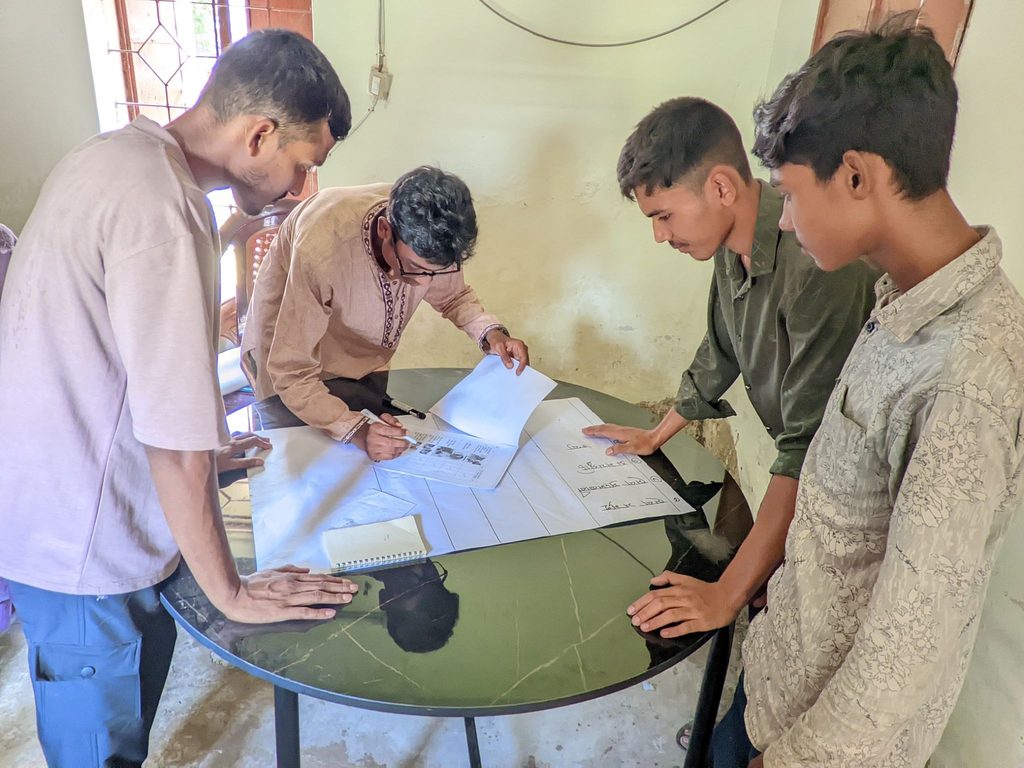
During the CSC session in Gourichanna Union, participants emphasized the importance of including healthcare initiatives in the Union Parishad’s annual budget. They also recommended strengthening community awareness and outreach activities to ensure that more people, particularly adolescents, are informed about and utilize the available adolescent-friendly health services.
In M. Baliyatoli Union, discussions highlighted the need to improve road access to the Union Health and Family Welfare Center. The Union Parishad representatives assured participants that road renovation work would be considered subject to the availability of budget allocations.
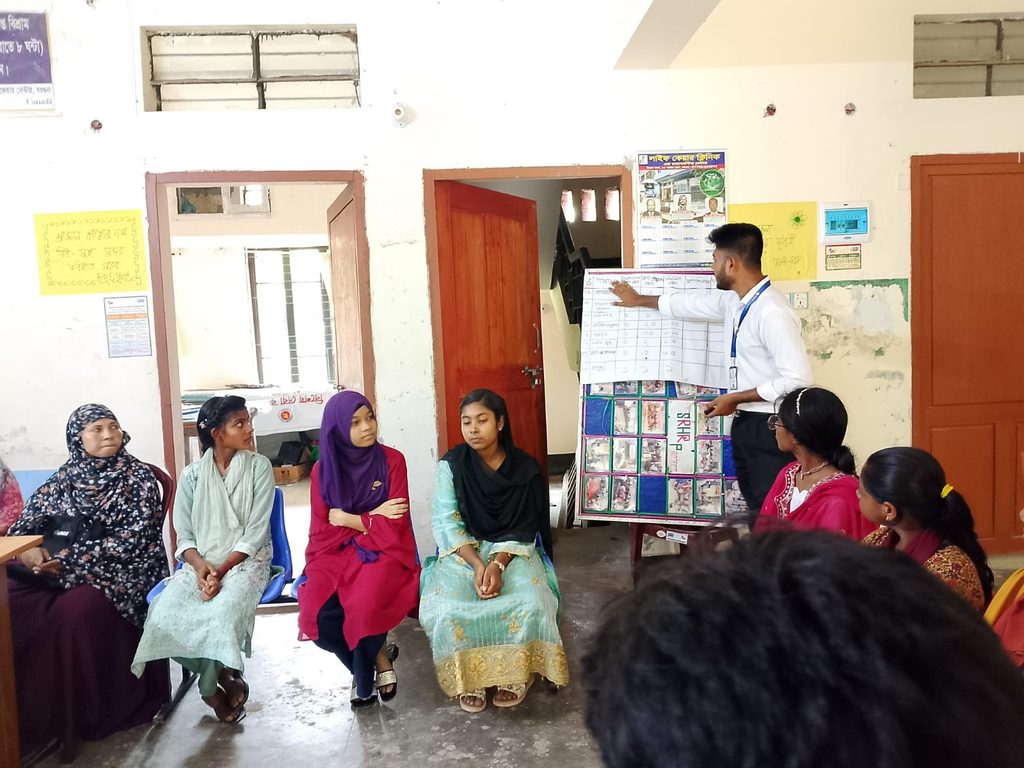
The CSC assessment in Aylapatakata Union focused on allocating a dedicated budget for health services within the Union Parishad’s annual budget. It was agreed that the allocated funds would be utilized as required to strengthen the Adolescent-Friendly Health Service Corner and support maternal healthcare services.
During the session in Kakchira Union, participants emphasized the need to improve sanitation facilities by constructing a new toilet using Union Parishad funds. It was also agreed that sand filling of the health center premises would be undertaken, where necessary, to improve the overall environment.
In Rayhanpur Union, participants discussed the need for infrastructural development of the health facility and agreed to communicate with the relevant higher authorities to address existing infrastructure challenges. They also expressed their commitment to incorporating health service improvement initiatives into the Union Parishad budget.
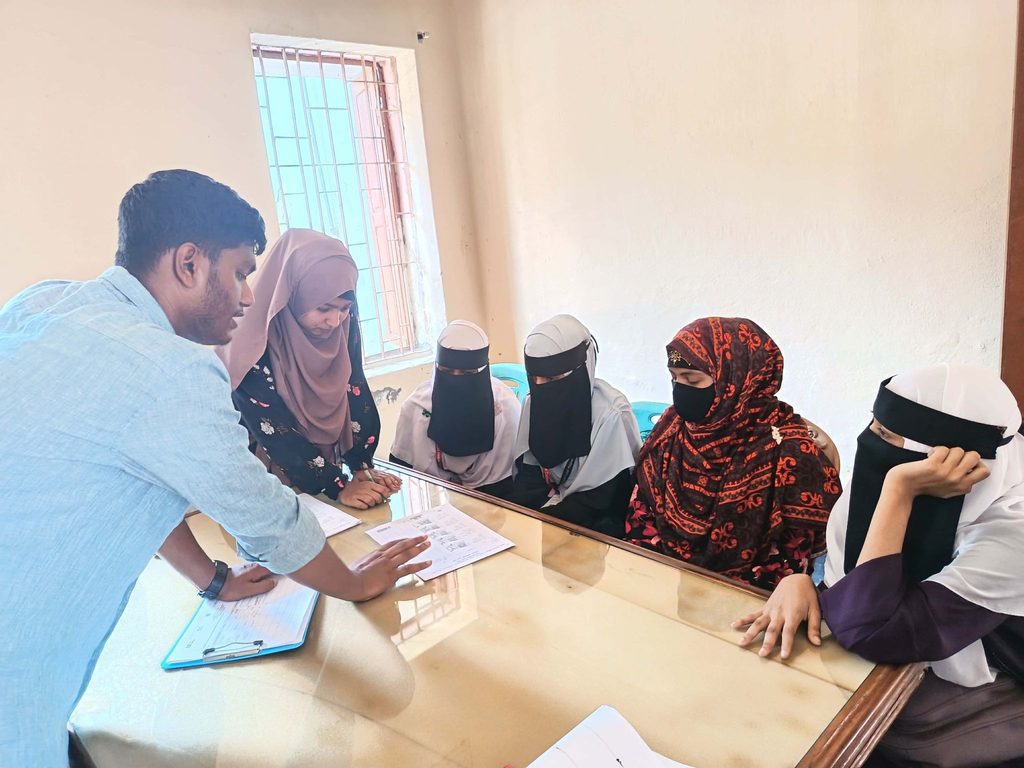
During the CSC assessment in Nachanapara Union, participants agreed to include health service improvement initiatives in the Union Parishad budget. It was further agreed that the allocated funds would be utilized based on priority needs to support the development of the health center and improve service delivery.
The sessions were also attended by Md. Shafiullah, Project Coordinator, Space to Lead Project, and Rabiul Islam, Advocacy and Capacity Development Officer, SERAC-Bangladesh, who actively contributed to the discussions and facilitated stakeholder engagement.
Through these Community Score Card sessions, SERAC-Bangladesh continues to promote participatory governance, social accountability and community ownership in strengthening primary healthcare services. The commitments made by local stakeholders to incorporate healthcare initiatives into Union Parishad budgets and address identified challenges demonstrate a shared com
mitment to ensuring more accessible, inclusive, and adolescent-friendly health services across Barguna district.