
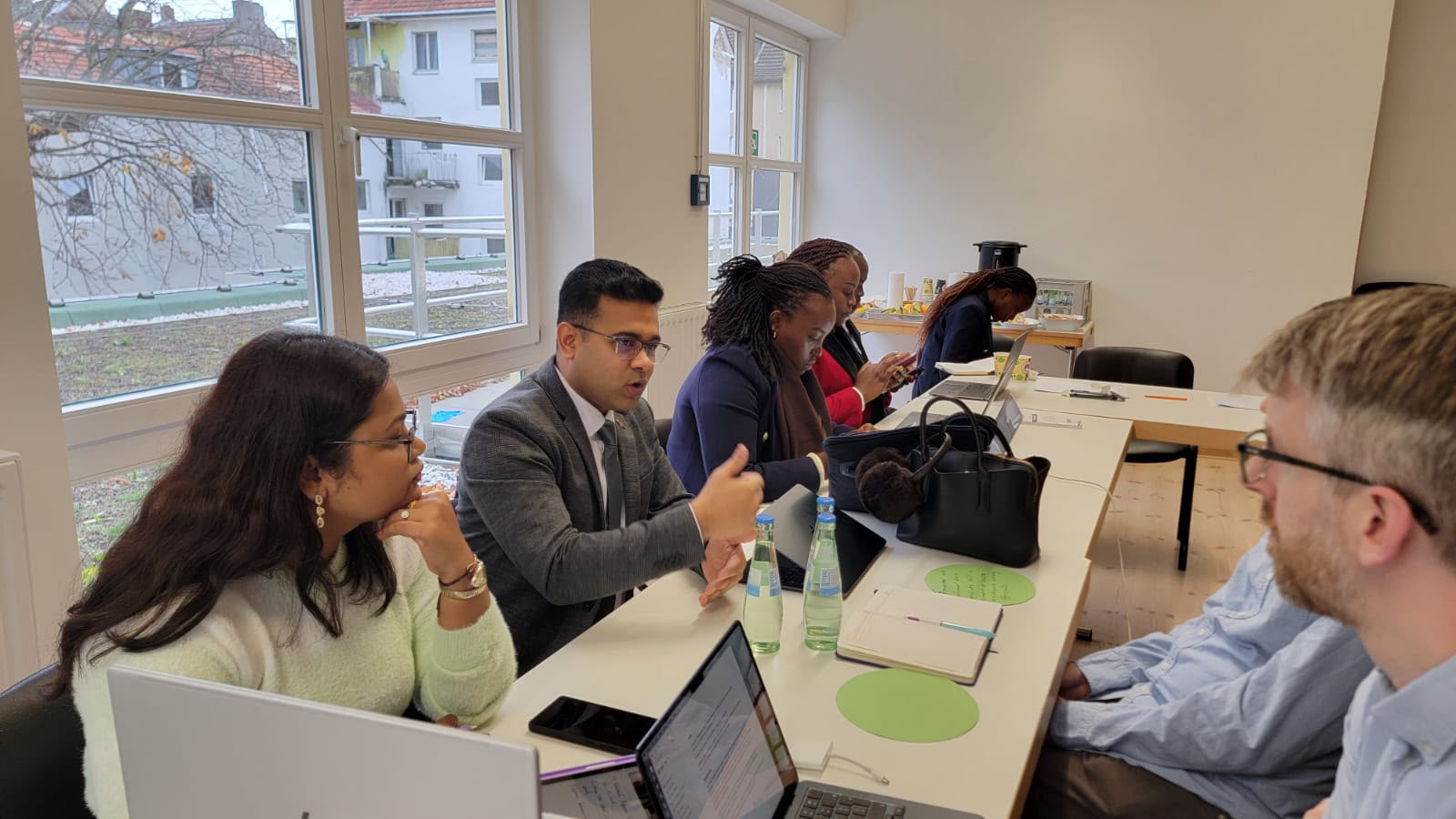
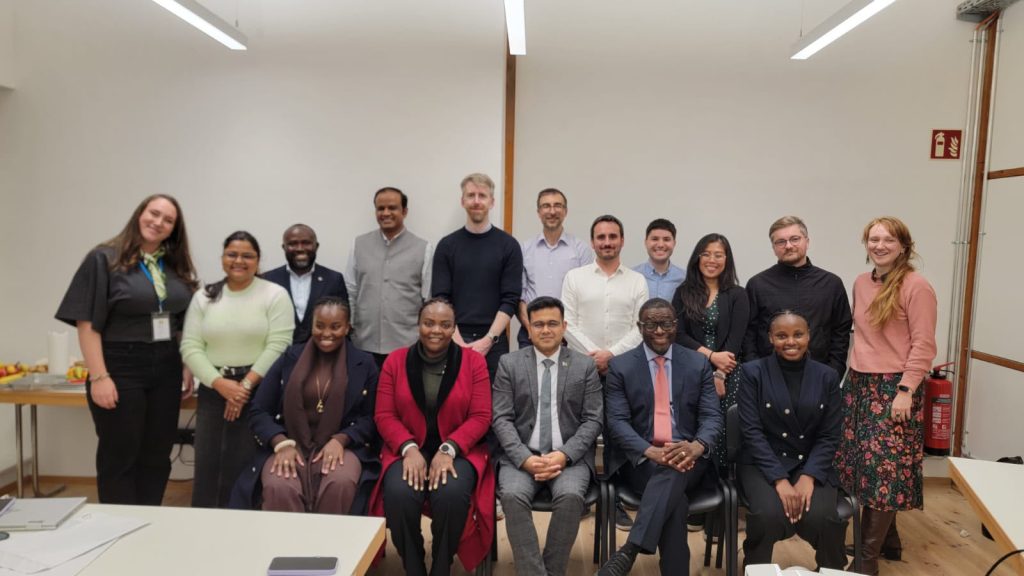
SERAC-Bangladesh joined two international gatherings in Cologne, Germany, in November 2026 to exchange experiences on citizen participation and democratic transitions. Representing the organisation, Executive Director SM Shaikat participated in the Mainstreaming Participation Accelerator (MPA) Phase II mentor workshop on 19 November and spoke at Democracy International’s Shaping Democracy 2026 conference, held from 19 to 21 November.
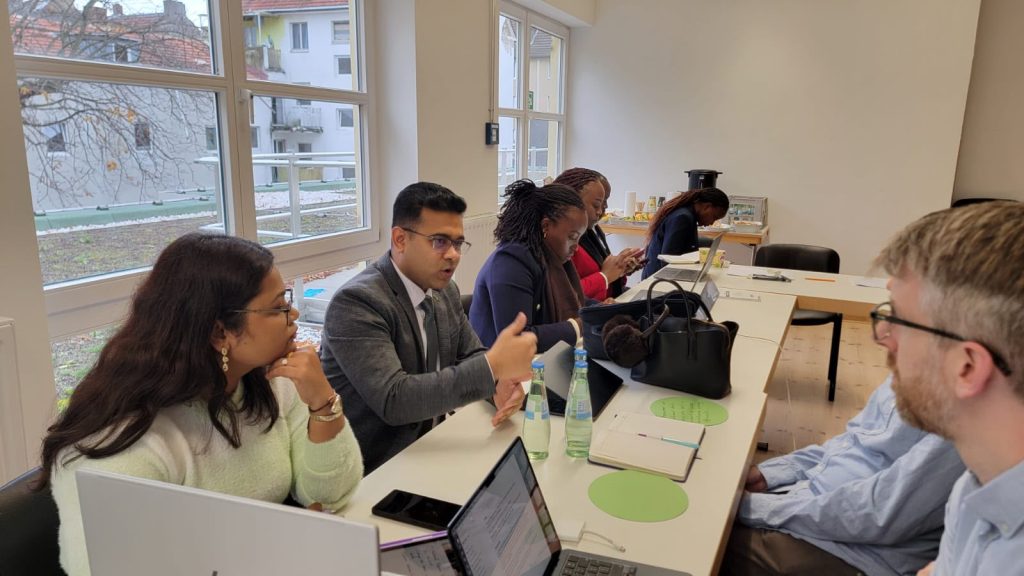
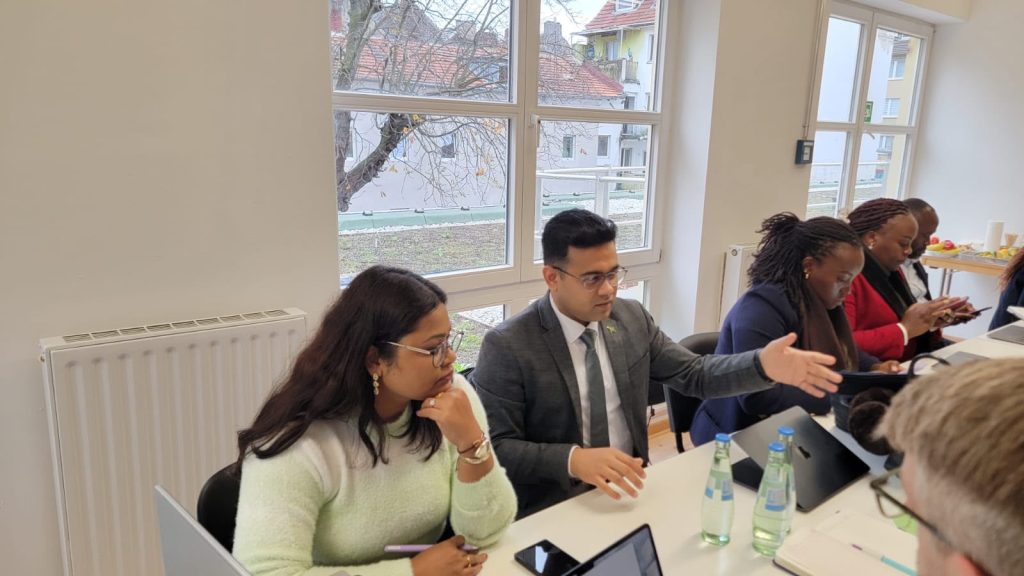
At the MPA Phase II mentor workshop, Shaikat joined fellow mentors to discuss how governments can make citizen participation a regular part of public planning and decision-making. The workshop offered an opportunity to learn from practitioners working in different settings and consider how their experiences could inform SERAC-Bangladesh’s work with local institutions.
In Bangladesh, that work includes exploring how ward and city coordination committees in Mymensingh and Rajshahi can give residents, including young people, more opportunities to contribute to local planning. One practical question is what happens after a resident raises an issue: which department takes responsibility, how does the issue reach a planning or budget discussion, and when can residents expect a response?
For SERAC-Bangladesh, the workshop was a chance to connect these local questions with the experiences of other mentors. One idea to bring home is that residents should be able to follow an issue after a meeting, even when a decision is delayed or a proposal cannot be funded.
At Shaping Democracy 2026, Shaikat contributed a Bangladesh perspective to the discussion on democratic transitions in South Asia. Drawing on Bangladesh’s 2024 student-led movement, he reflected on how young people can bring issues into national debate and influence the course of political change.
He also considered what comes after a period of mobilisation. When public attention shifts, people still need ways to take part in decisions that affect them. Countries across South Asia have different political histories, but the regional discussion offered a chance to compare how institutions can stay open to public input between elections and during periods of change.
The two gatherings gave SERAC-Bangladesh a chance to share its experience and bring a practical question back to its work in Bangladesh: if a resident returns six months after a public meeting, can they find out what happened to the issue they raised? The answer can help show where participation is working and where local institutions need to follow through.
We thank the Institute of Public Finance, Democracy International, and the mentors and participants who shared their experiences in Cologne.