
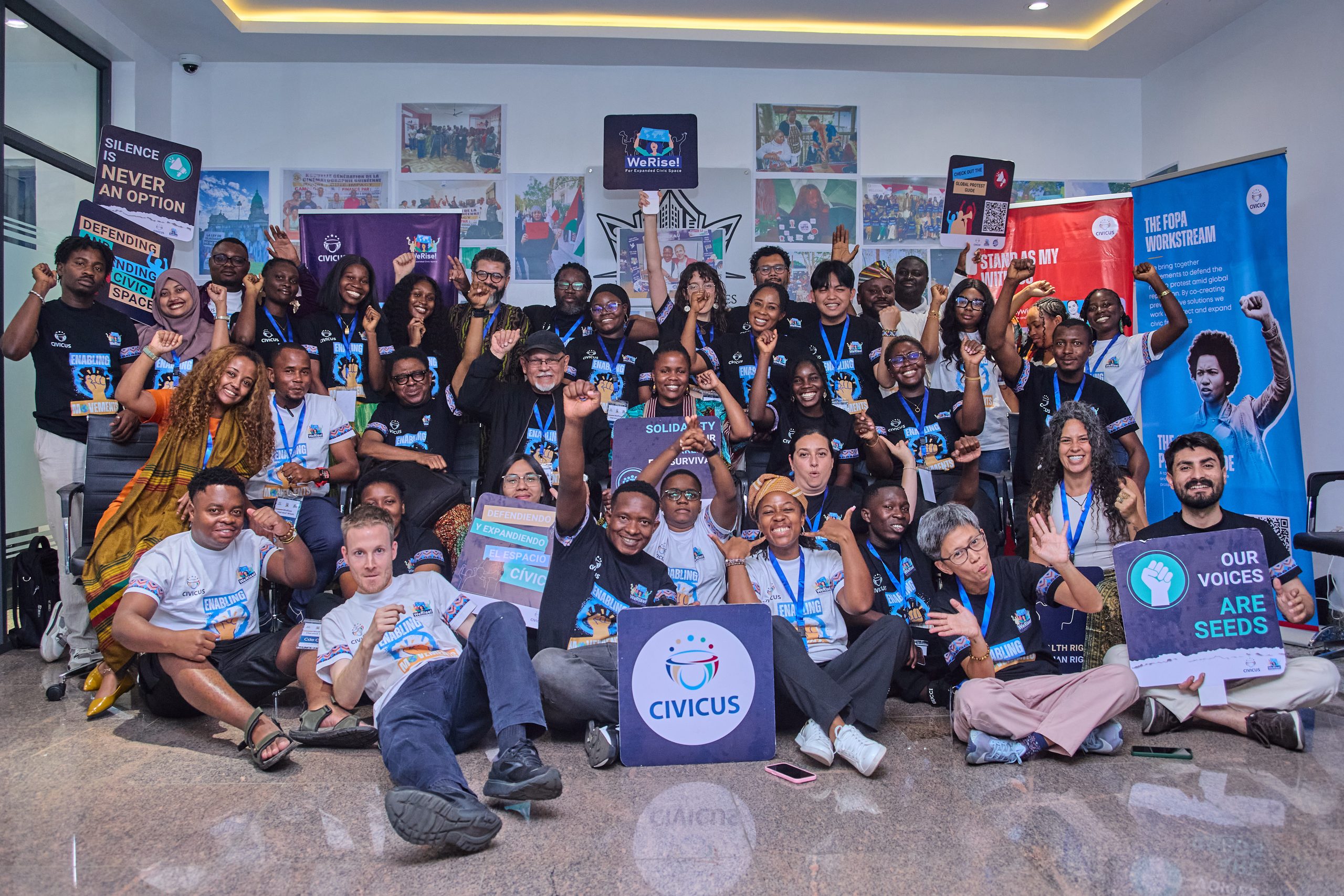
“We are WeRisers, many nations, many voices, one humanity.”
From 17–20 November 2026, grassroots activists and movement leaders from around the world gathered in Abuja, Nigeria, for the CIVICUS WeRise Harvesting Week.
Lutfa Pathan, Project Manager of SERAC-Bangladesh, participated in the four-day gathering, representing SERAC-Bangladesh and joining fellow WeRisers from Cohort 1 and Cohort 2, members of the Protest Lab, and colleagues from across the CIVICUS Alliance.
The Harvesting Week was more than a program reflection. It was a space to share stories, celebrate achievements, reflect on learning, strengthen relationships and ask an important question:
How can grassroots movements build and sustain collective power when funding is limited, changing or no longer available?
The four-day gathering was shaped around four themes: Our Stories, Our Learning, Our Collective Power and Our Community.
Day 1: Our Stories, What We Built
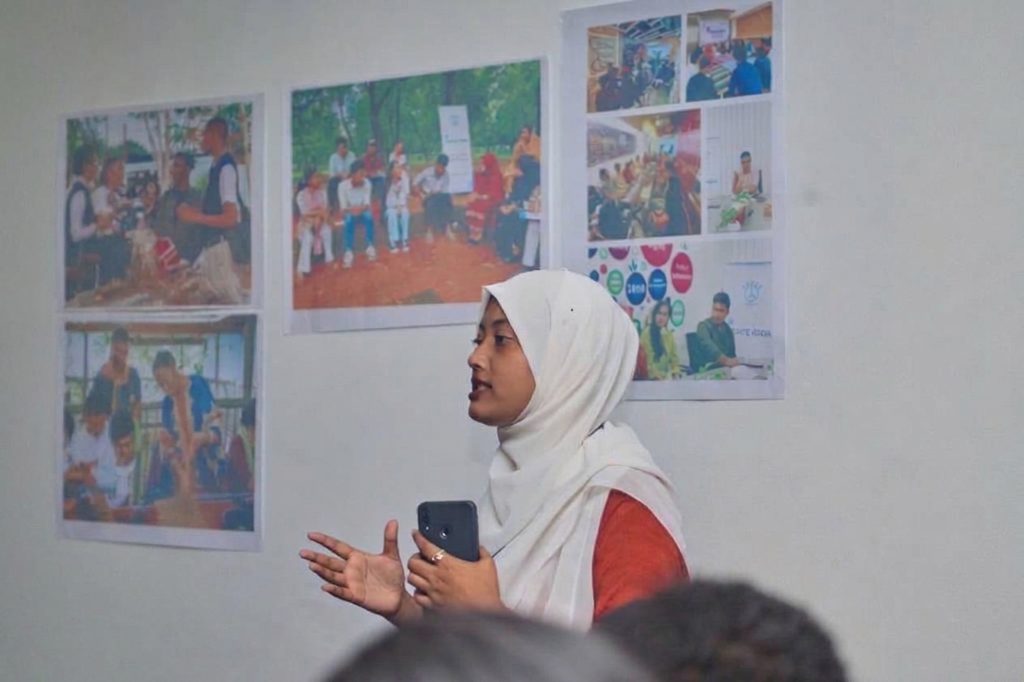
The first day centred on the experiences of WeRisers. Participants shared stories of what they built, the challenges they faced, the relationships they developed and the changes they witnessed.
The session “This Is Our Story: 16 Voices, One Journey” brought together experiences from Asia, Latin America, Africa and SWANA, showing how different contexts can still be connected by common struggles and aspirations. Through “We Did That!”, participants celebrated not only project achievements but also the confidence, challenges, relationships, solidarity and new possibilities created through WeRise.
The day reinforced an important lesson: the value of WeRise cannot be measured only through project outputs. Its deeper value lies in the people, relationships and collective possibilities it has helped create.
Day 2: Our Learning, What We Now Know
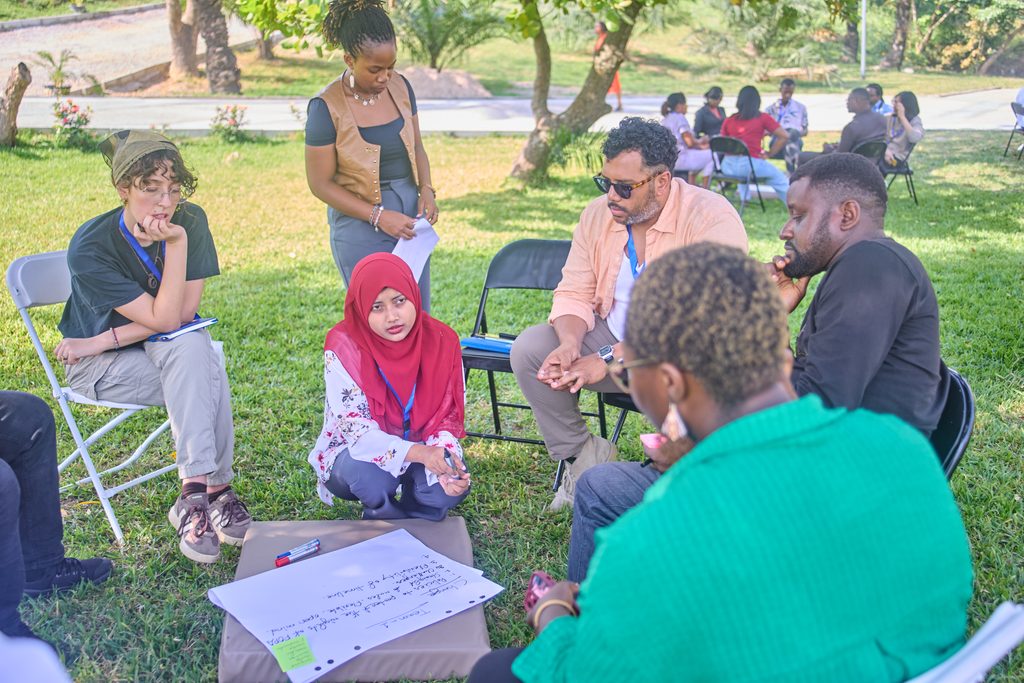
The second day focused on collective learning. Participants reflected on what worked, what did not, what changed and what could be done differently. They examined different parts of the WeRise journey, including proposal processes, onboarding, grant development and disbursement, capacity building, accompaniment, communications and reporting.
A key message emerged: meaningful support is about more than funding.
Grassroots movements also need trust, flexibility, protection, accompaniment, knowledge, solidarity, communication and opportunities to connect with others. As civic spaces change and resources become increasingly constrained, movements need not only to survive but to remain connected, resilient and powerful.
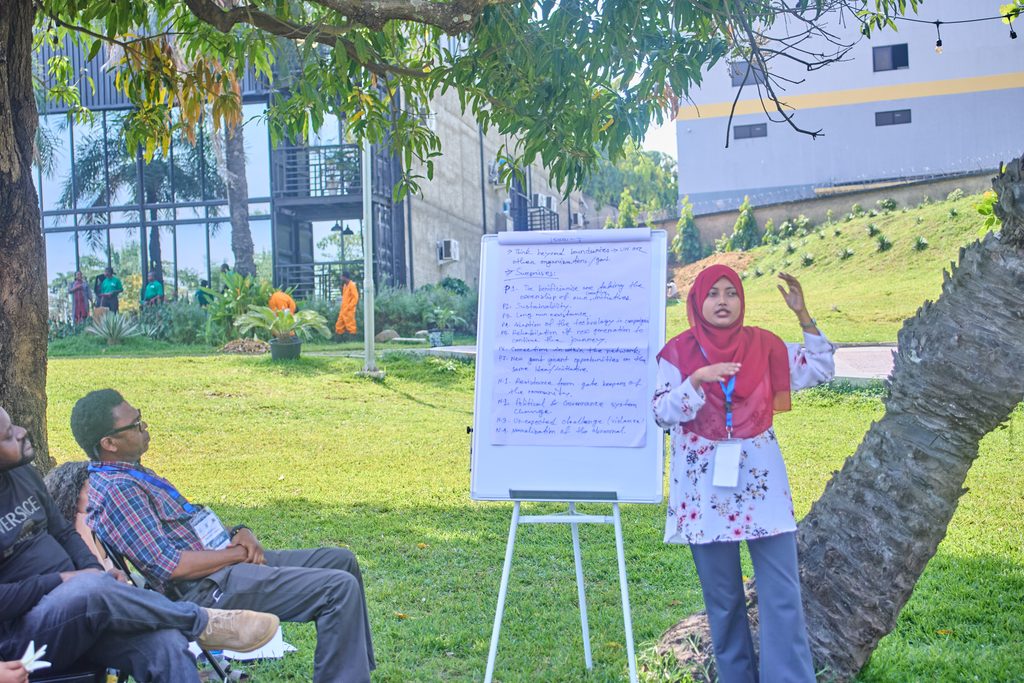
Listening to Movements: What Do We Need Now?
Participants explored four interconnected areas:
- Engagement models
- Resources
- Protection
- Solidarity and collaboration
The discussions made one thing clear: Funding alone cannot create sustainable movements.
Movements need ecosystems where knowledge, relationships and resources can circulate, where organizations can learn from one another, and where solidarity and collaboration can continue beyond individual projects. Most importantly, these ecosystems need to be built on trust, mutual respect and shared purpose.
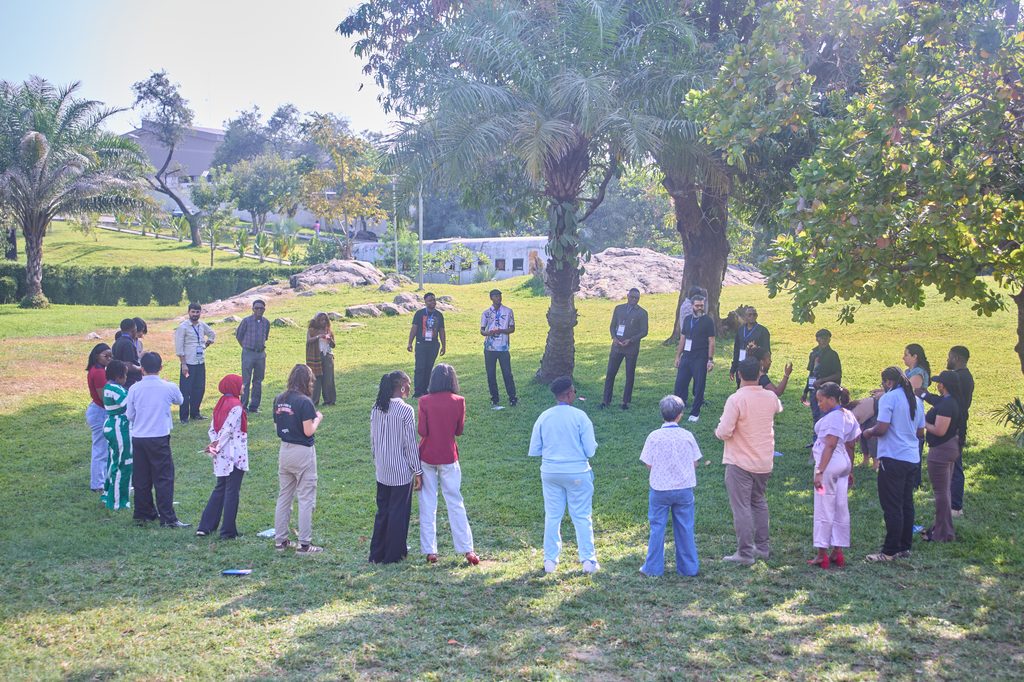
Day 3: Our Collective Power, What Comes After Funding?
Day 3 focused on sustainability by asking a different question: What power do we already have personal and organizational?
Through ecosystem mapping and storytelling, participants identified the strengths within the WeRise community, including relationships, knowledge, skills, technology, narratives, resources, protection and collective action.
The reflection was simple but powerful: Our greatest resource may often be each other.
Participants also explored why collaboration can sometimes fade after a program ends and discussed ways to strengthen South-South exchange, resource sharing, solidarity and collective organizing. The Movement Sustainability Lab encouraged participants to move from asking: “What do we need?” to asking: “What can we build together?”
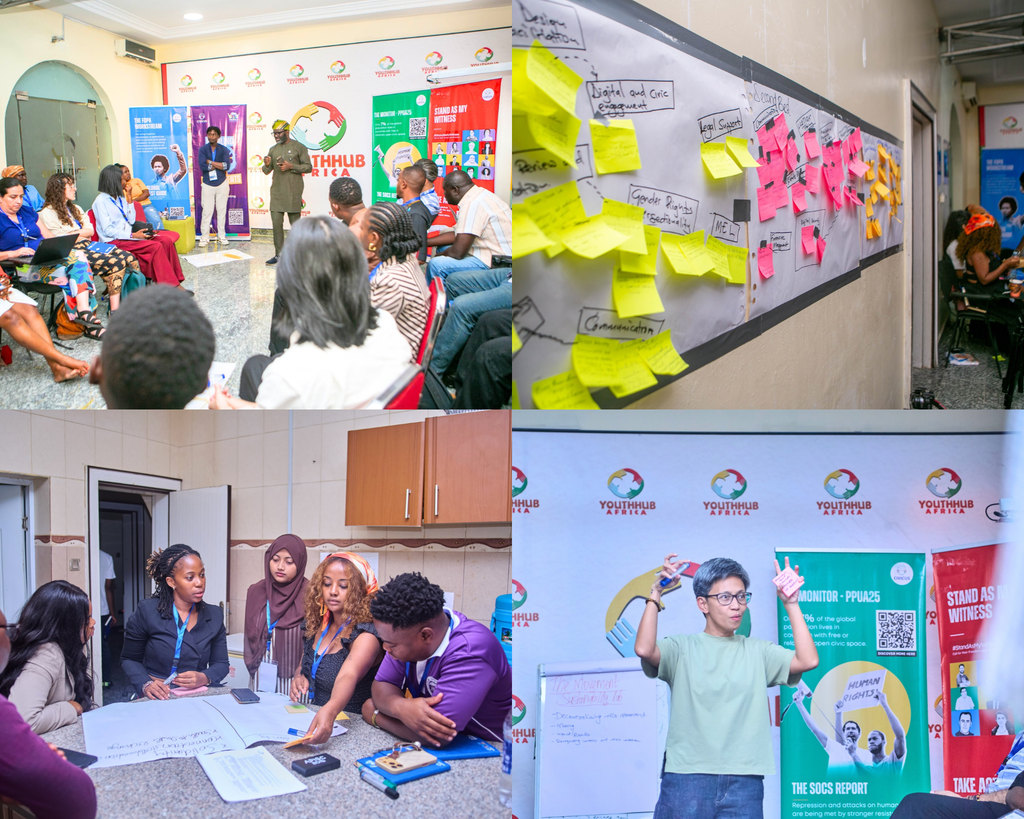
Day 4: Our Community, What Will We Build Together?
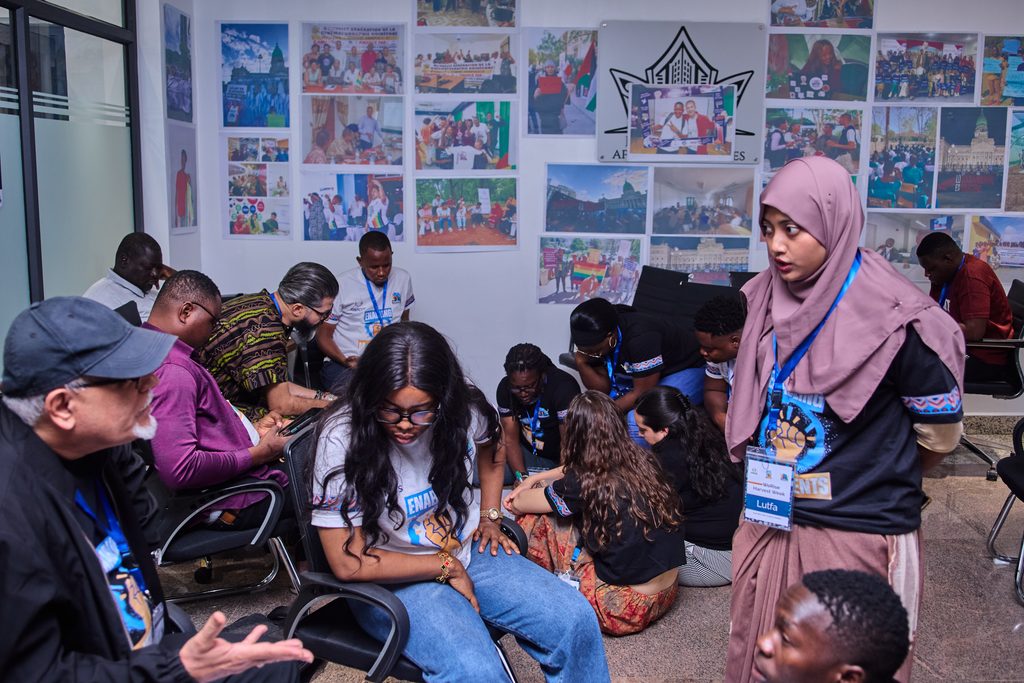
The final day looked beyond the grant period and explored the possibility of a member-owned WeRise Community, a space for learning, resource exchange, collaboration and solidarity. Participants discussed what such a community should offer, how members could support one another, how decisions could be made and what role CIVICUS could play.
A key principle was that the community should be owned by its members, with CIVICUS potentially serving as an enabler, convener and connector.
The aim is not to create another structure for its own sake, but a community that is useful, inclusive, practical and sustainable, where movements can share knowledge, build relationships and turn solidarity into collective action.
We Are WeRisers
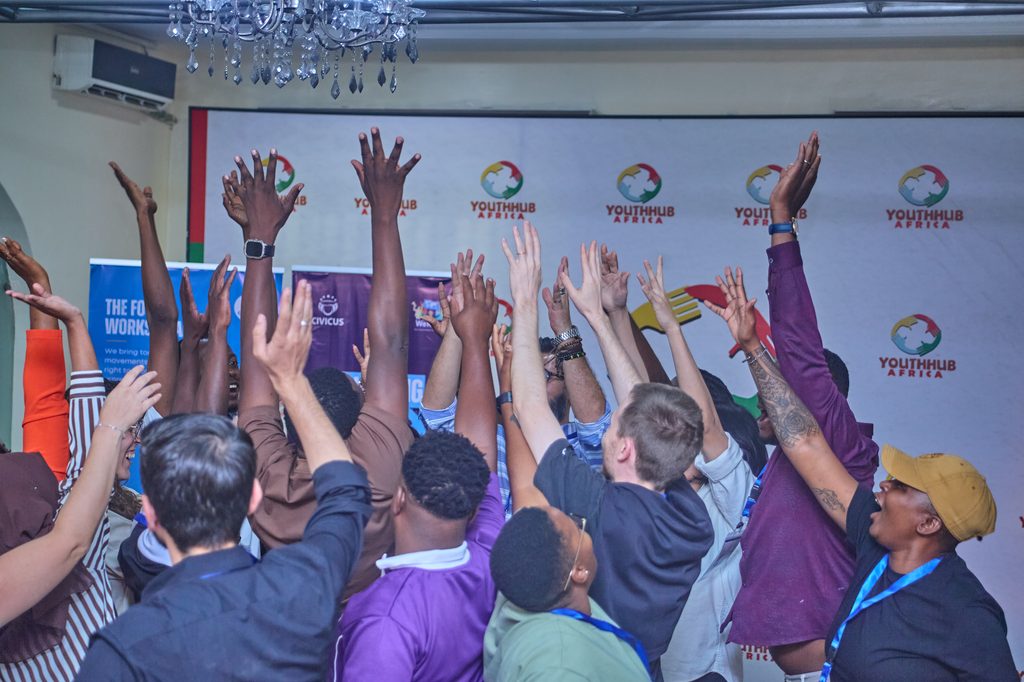
The four days in Abuja brought stories, learning, difficult conversations, new connections, celebration and hope.
Above all, they reinforced that WeRise is more than a programme. It is a growing community of people committed to connecting, supporting and building power together.
For SERAC-Bangladesh, Lutfa Pathan’s participation strengthened international movement connections, created space to share experiences from Bangladesh and opened opportunities to bring global learning back into local action.
The Harvesting Week may have ended, but the relationships, ideas and possibilities created through WeRise can continue.