
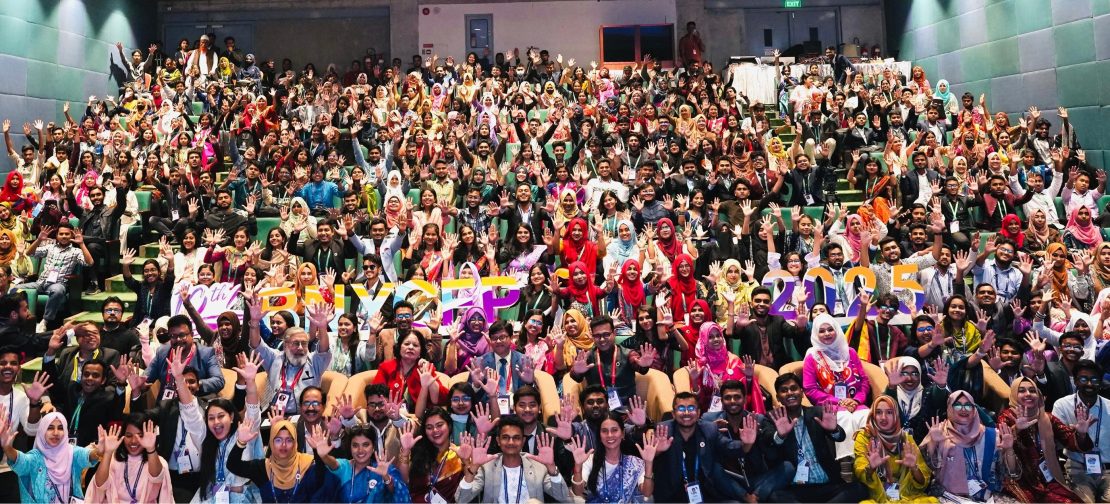
On December 11, 2025, the halls of the Liberation War Museum, Agargaon, Dhaka echoed with conviction, courage, and collective hope as over 500 young leaders, policymakers, researchers, and development partners gathered for the Bangladesh 10th National Youth Conference on Family Planning (BNYCFP 2025).
Building on the momentum of nine successful editions since 2016, the conference hosted by SERAC-Bangladesh in collaboration with SIDA, UNFPA Bangladesh, Directorate General of Family Planning, Bangladesh Youth Health Action Network (BYHAN), Coalition of Youth Organizations in Bangladesh (CYOB), Marie Stopes Bangladesh, Plan International Bangladesh, Social Marketing Company, Nutriteens Network, and a broad alliance of partners- stood as a landmark moment for youth-centered health and development in Bangladesh. Under the powerful theme “Advocate. Accelerate. Amplify.”, the 10th BNYCFP reaffirmed one truth: meaningful youth leadership is not optional, it is essential.
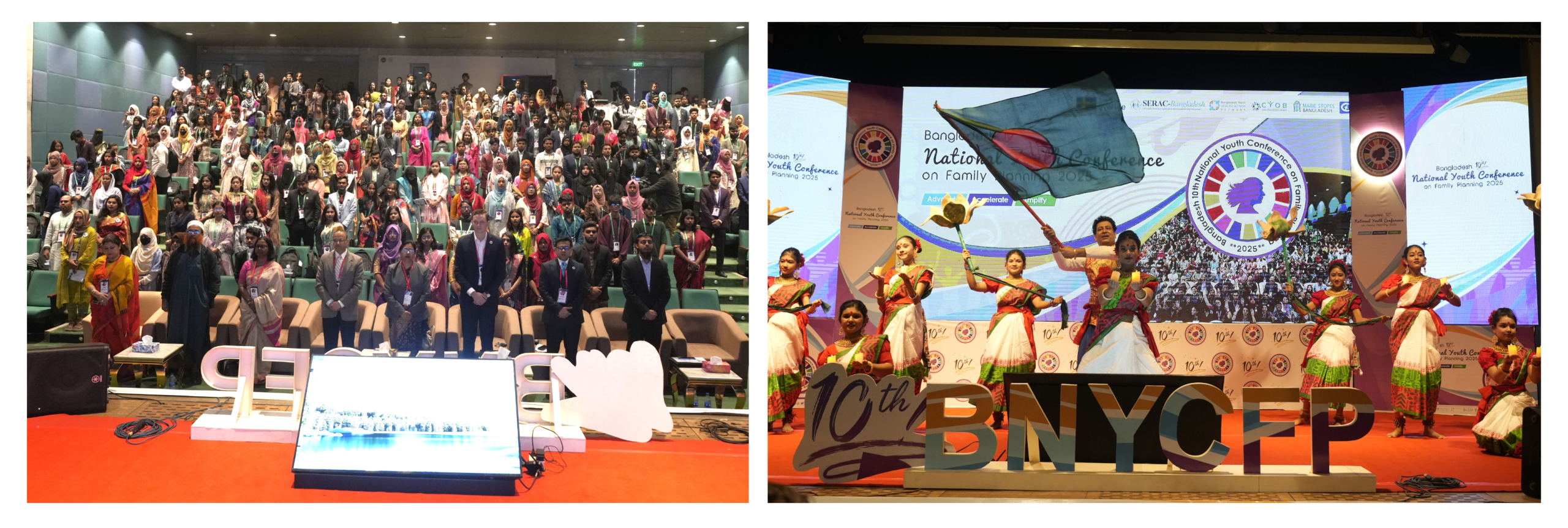 The conference officially began with the national anthem, followed by a vibrant cultural dance performance that celebrated youth energy and Bangladesh’s rich heritage, setting an inspiring tone for the day. This meaningful opening was followed by reflections on nearly a decade of BNYCFP’s role in building a strong bridge between youth and policymakers. Proudly led by SM Shaikat, Secretary General of Bangladesh 10th National Youth Conference on Family Planning 2025 and Executive Director of SERAC-Bangladesh, BNYCFP has consistently elevated youth voices and innovation in SRHR and family planning. The opening plenary, “Policy, Power, Progress – Co-Creating Youth-Centered Health and Family Planning Systems,” brought together national leaders and youth representatives to explore how inclusive, rights-based systems can be shaped through meaningful youth engagement.
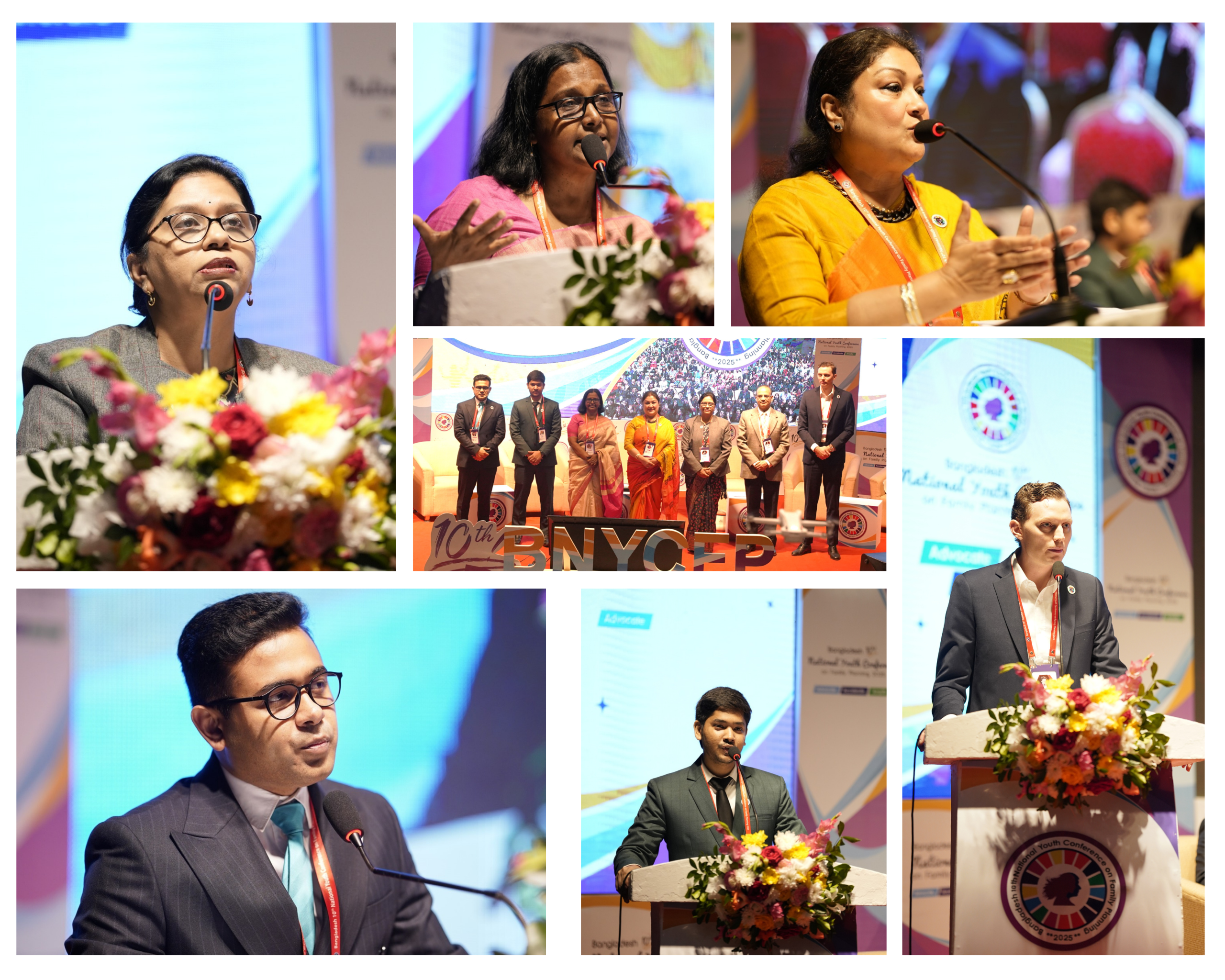
Speakers in the opening session emphasized that family planning is a fundamental right and that young people’s ideas and innovation are essential to shaping future policies. Dr. Ashrafi Ahmad, Director General of DGFP, said, “Family planning is a fundamental right. Young people’s ideas and innovation will play a critical role in shaping the future of national policies.” SM Shaikat, Executive Director of SERAC-Bangladesh, urged youth to “Advocate, accelerate, and amplify” their leadership to shape the next decade of health”. Challenges like gender inequality, child marriage, adolescent pregnancy, and climate vulnerability were acknowledged. Dr. Vibhavendra Singh Raghuvanshi of UNFPA noted, “SRHR is not just a health issue- it empowers young people to make informed choices.” Felix Helgesson of the Embassy of Sweden added, “Youth remains a crucial force for SRHR, and policymakers are rethinking youth inclusion.” Dr. Quamrun Nahar of BRAC University highlighted the potential of youth globally and praised the National Adolescent Health Strategy as a key step forward, calling for strong multisectoral collaboration. Md. Shojol Asfak, Youth Speaker emphasized, “When youth and community work together, real change happens. Youth leadership must be supported at every level.” The session underscored that youth voices are vital for policies that truly reflect their needs.
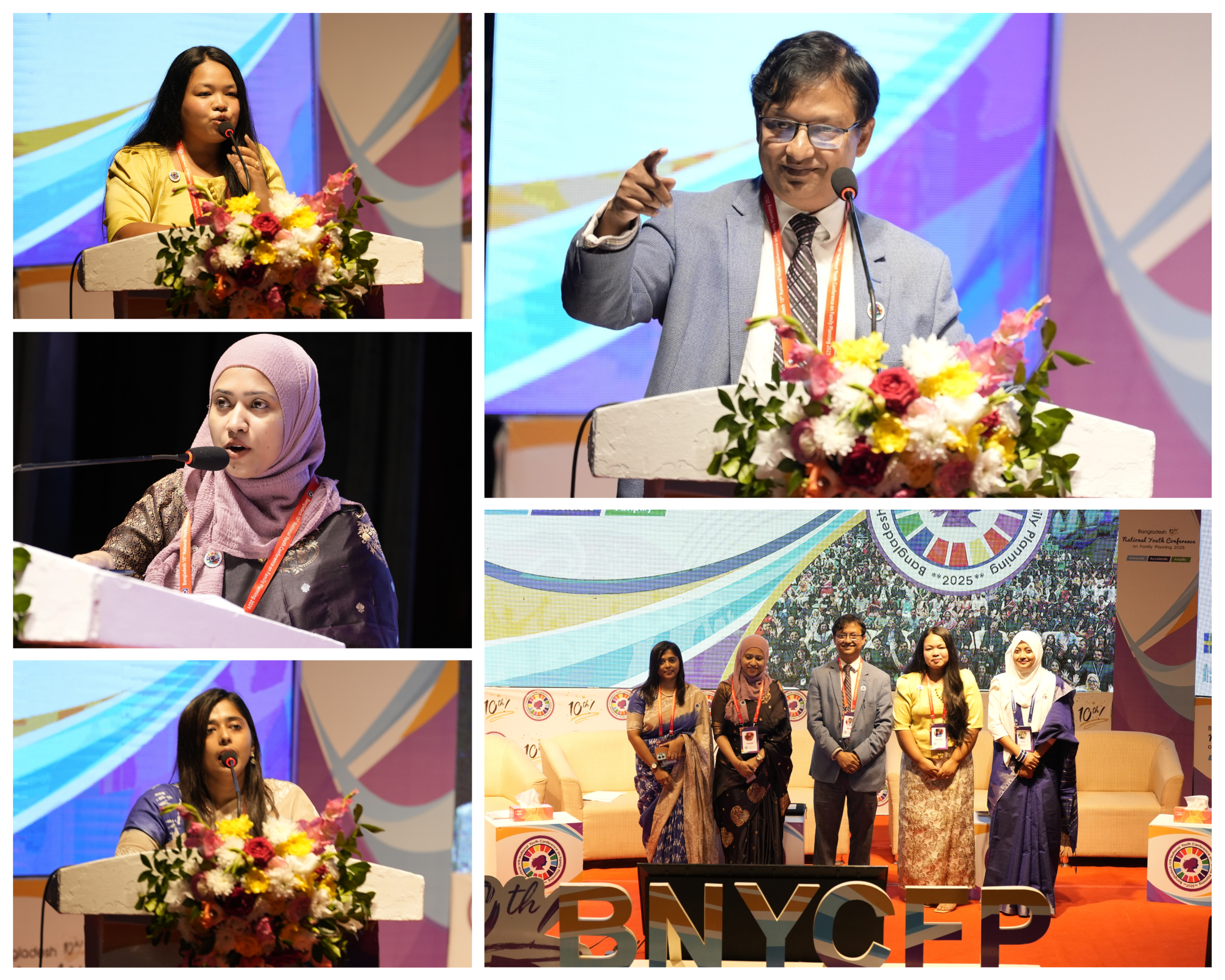
The second plenary, “Shifting Power to Young Voices for Inclusive Health and Family Planning Policy Spaces,” focused on empowering young people to actively participate in policy processes. Discussions highlighted how youth leadership at school, community, and grassroots levels plays a vital role in raising awareness and expanding access to reproductive health, mental health, and overall well-being services. Speakers emphasized that when youth are equipped with knowledge and real opportunities, they become powerful agents of change who strengthen healthier and more informed communities.
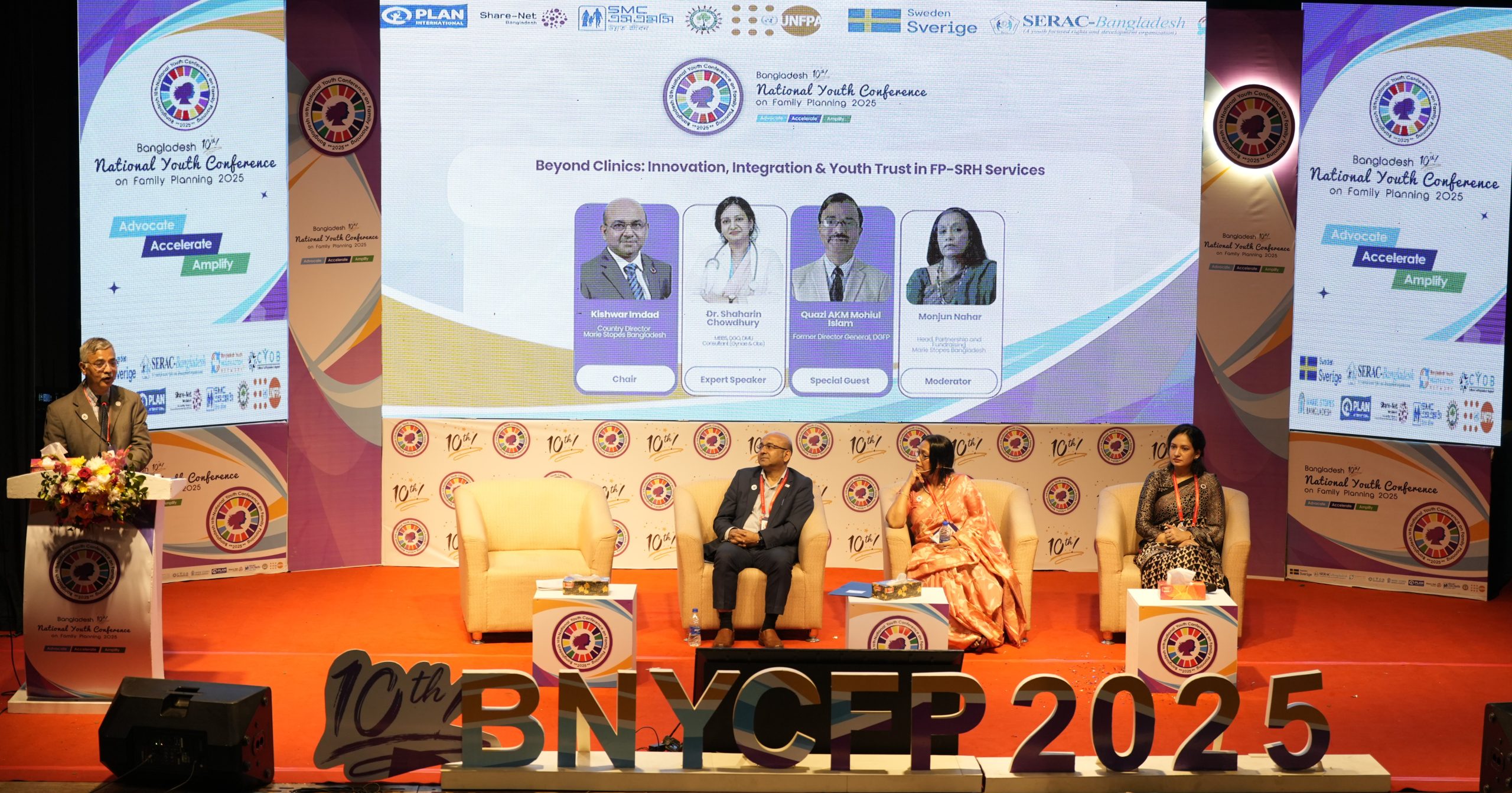
Innovation and trust were central to the third plenary, “Beyond Clinics: Innovation, Integration & Youth Trust in FP–SRH Services.” This session explored how family planning and SRHR services can move beyond traditional clinical settings to better reach adolescents and young people. Experts and youth advocates discussed rights-based, integrated, and youth-friendly approaches that build trust, improve quality of care, and ensure young people are active partners in health systems rather than passive service recipients. The honorable speaker emphasized the importance of involving young people in family planning, ensuring their rights to essential health services, and building trust through innovative and integrated FP–SRH approaches. Bringing together experts and youth advocates, the dialogue focused on identifying practical solutions to expand access and improve the quality of care for all.
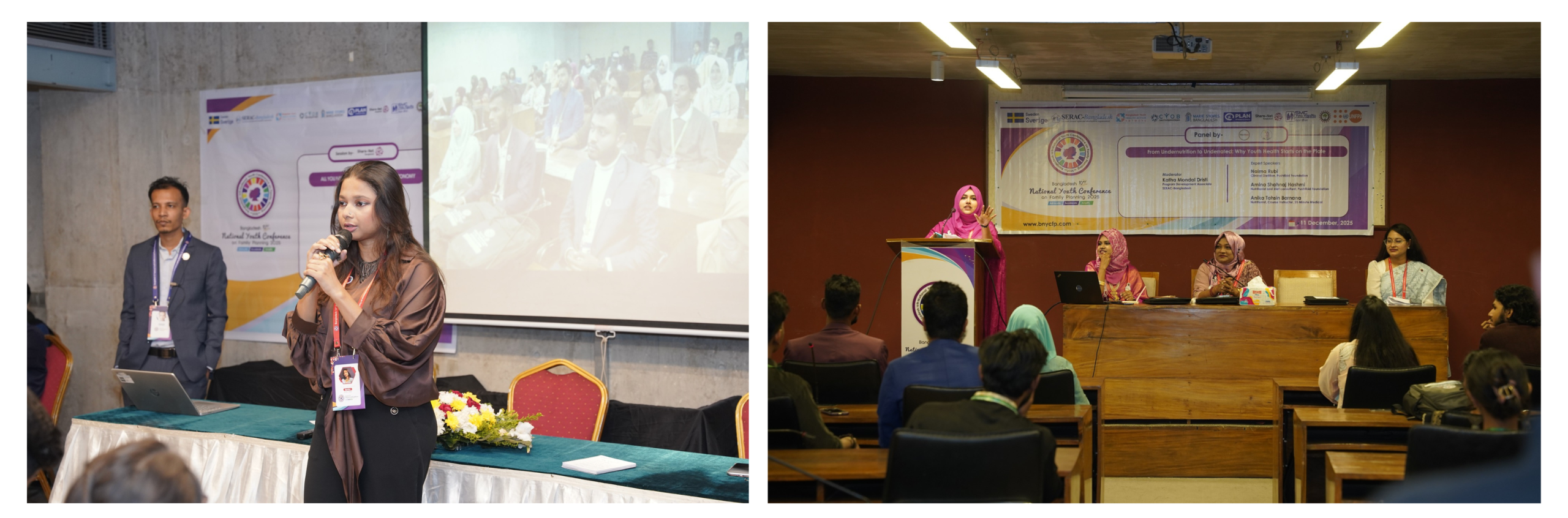
A series of interactive parallel sessions enriched the conference experience. “From Undernutrition to Underrated: Why Youth Health Starts on the Plate” opened a new window of understanding on adolescent nutrition, challenging myths and promoting practical, affordable healthy eating habits. Participants left empowered to act as nutrition ambassadors within their families, schools, and communities. In “All You Need to Know About Bodily Autonomy,” youth explored the importance of SRHR education, access to safe services, and knowing one’s rights, with discussions highlighting the barriers created by misinformation and hesitant service provision.
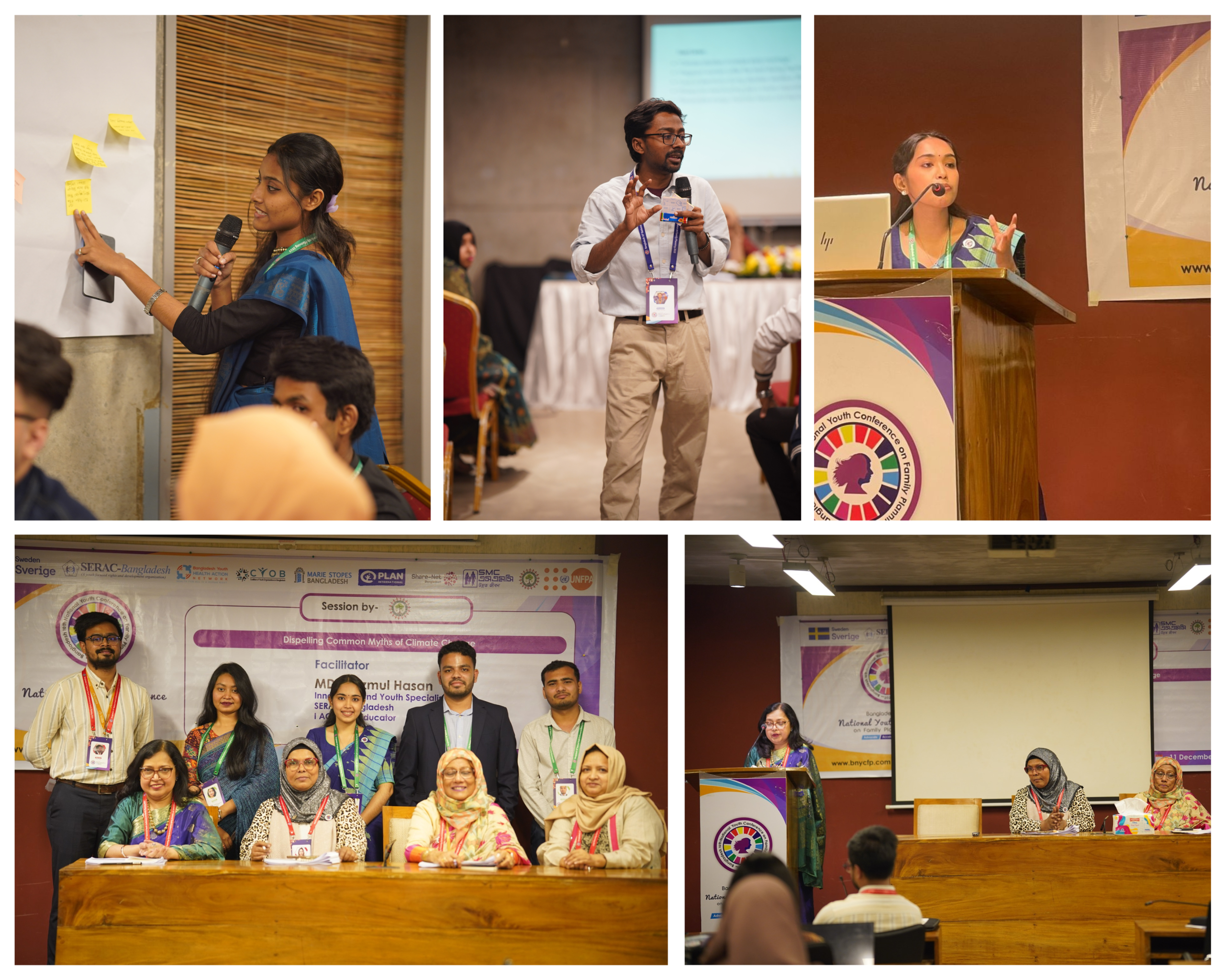
Youth engagement with global challenges was further strengthened through “Dispelling Common Myths of Climate Change,” which equipped participants with science-based knowledge to identify misinformation and take evidence-driven climate action. At the same time, “Research in Practice: Youth-Led Learning That Transforms Policy” showcased how youth-led research on SRHR, family planning, mental health, and gender and social inclusion can generate powerful insights to inform inclusive and effective policymaking.
The fourth plenary, “Quality Care, Real Access: The Future of Adolescent and Youth Health in Bangladesh,” emphasized that strong policies alone are not enough to ensure impact. Speakers highlighted the importance of youth leadership, collaboration with frontline health workers, climate-resilient health systems, and sustained investment in mental health and maternal well-being. Addressing teenage pregnancy and building health resilience were identified as essential steps toward protecting young people’s health and unlocking Bangladesh’s demographic dividend.
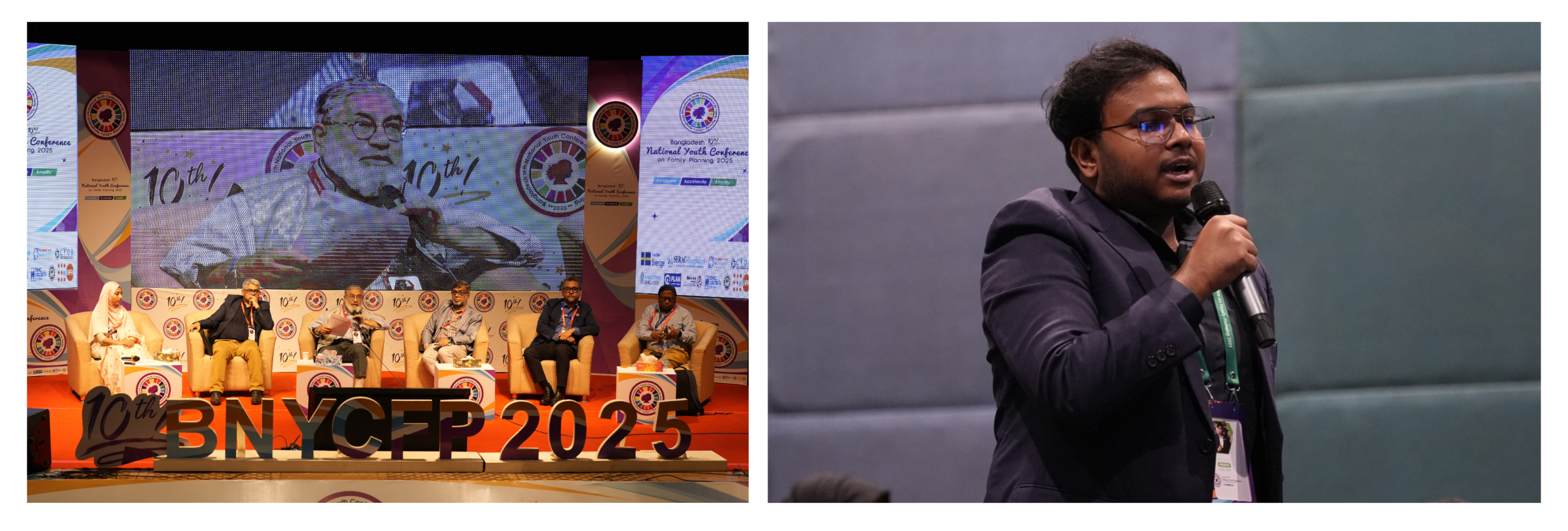
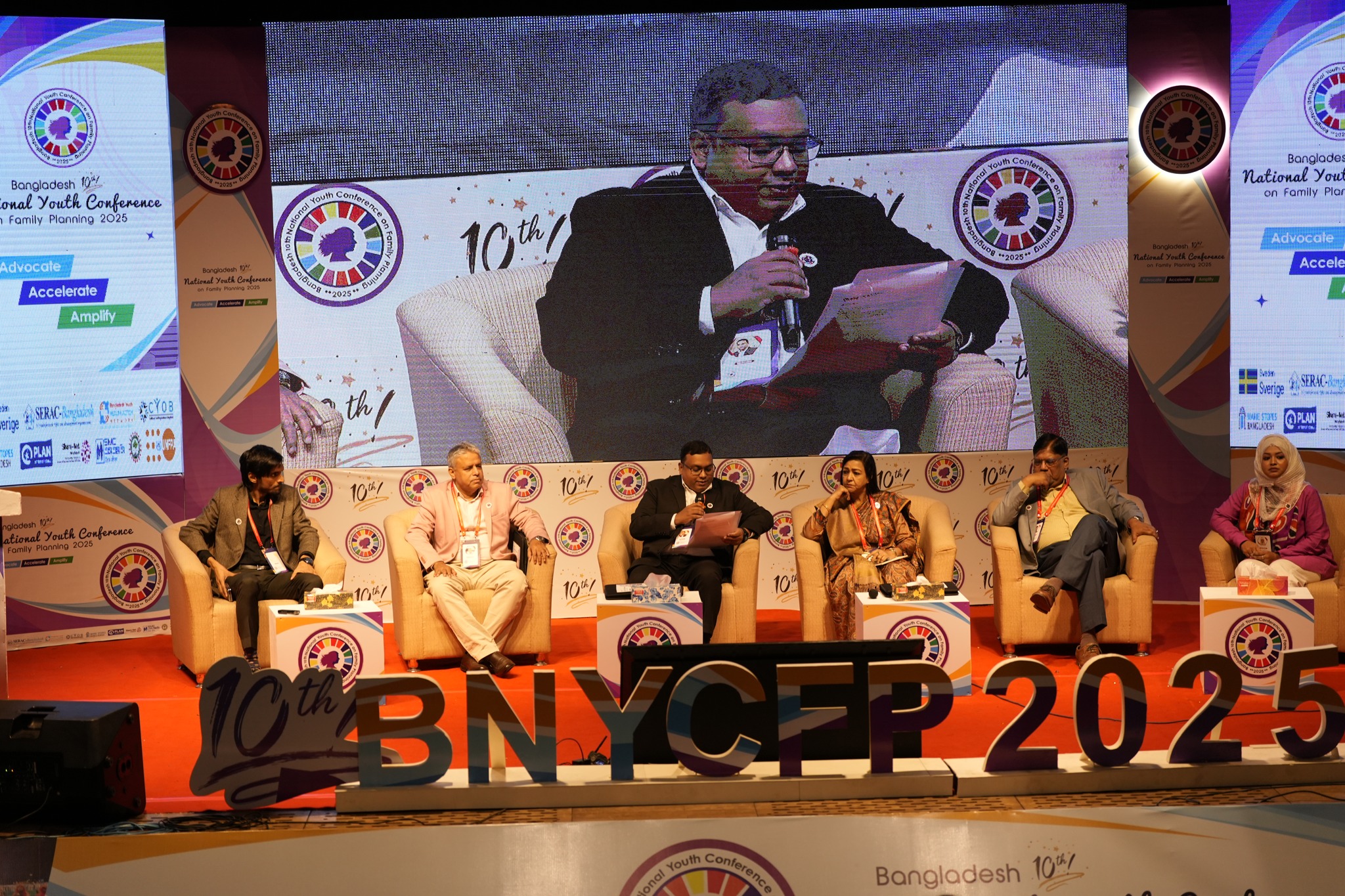
Multisectoral collaboration took center stage in the fifth plenary, “Voices That Shift Systems: Multisectoral Leadership and Youth Advocacy.” The discussion explored how public health institutions, private-sector innovation, media, and frontline service delivery can align with youth advocacy to drive systemic change. By grounding policy conversations in real-world youth experiences, the session highlighted practical pathways to align youth priorities with partnerships and community initiatives.
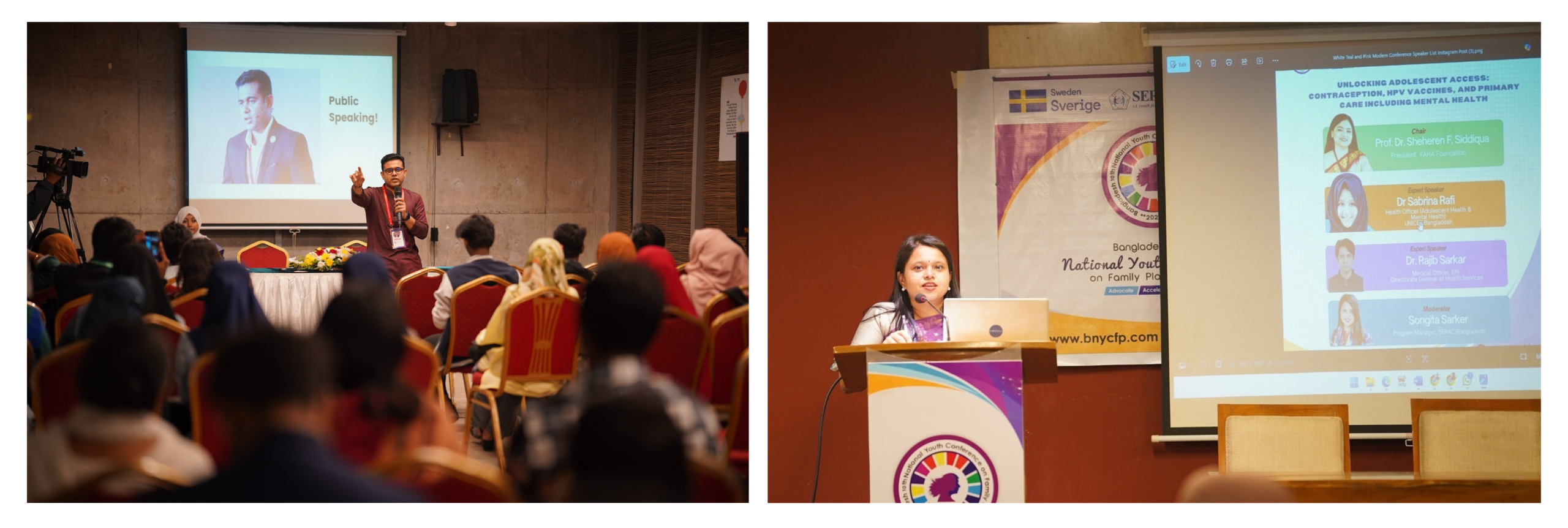
Parallel sessions continued to build youth capacity and confidence. “Command the Room: Youth Leadership, Public Speaking & Movement Building” focused on confidence, authenticity, and strategic communication, empowering young people to inspire social action. Meanwhile, “Unlocking Adolescent Access: Contraception, HPV Vaccines & Mental Health” highlighted adolescents’ right to accurate information, quality care, and mental health support, emphasizing the importance of contraception, vaccination, and psychosocial well-being for national development.
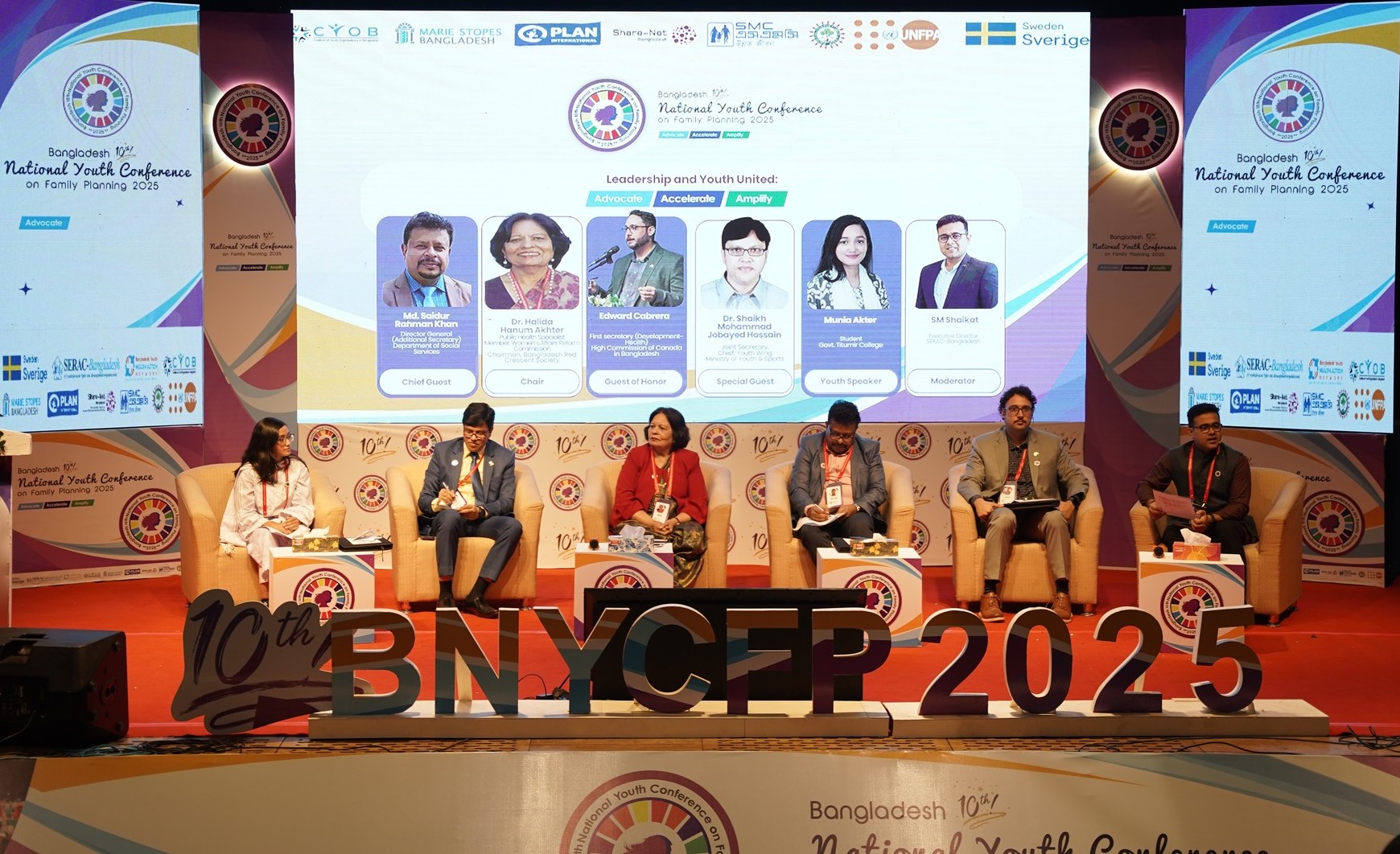
 The conference concluded with a powerful closing plenary, “Leadership and Youth United: Accelerate, Advocate, Amplify.” National leaders and youth advocates came together to emphasize digital innovation, youth-inclusive governance, revitalized youth councils, gender-equitable leadership, and stronger institutional support for youth volunteerism. Personal stories from crisis response and community engagement underscored the urgency of coordinated action and meaningful youth participation in decision-making spaces.
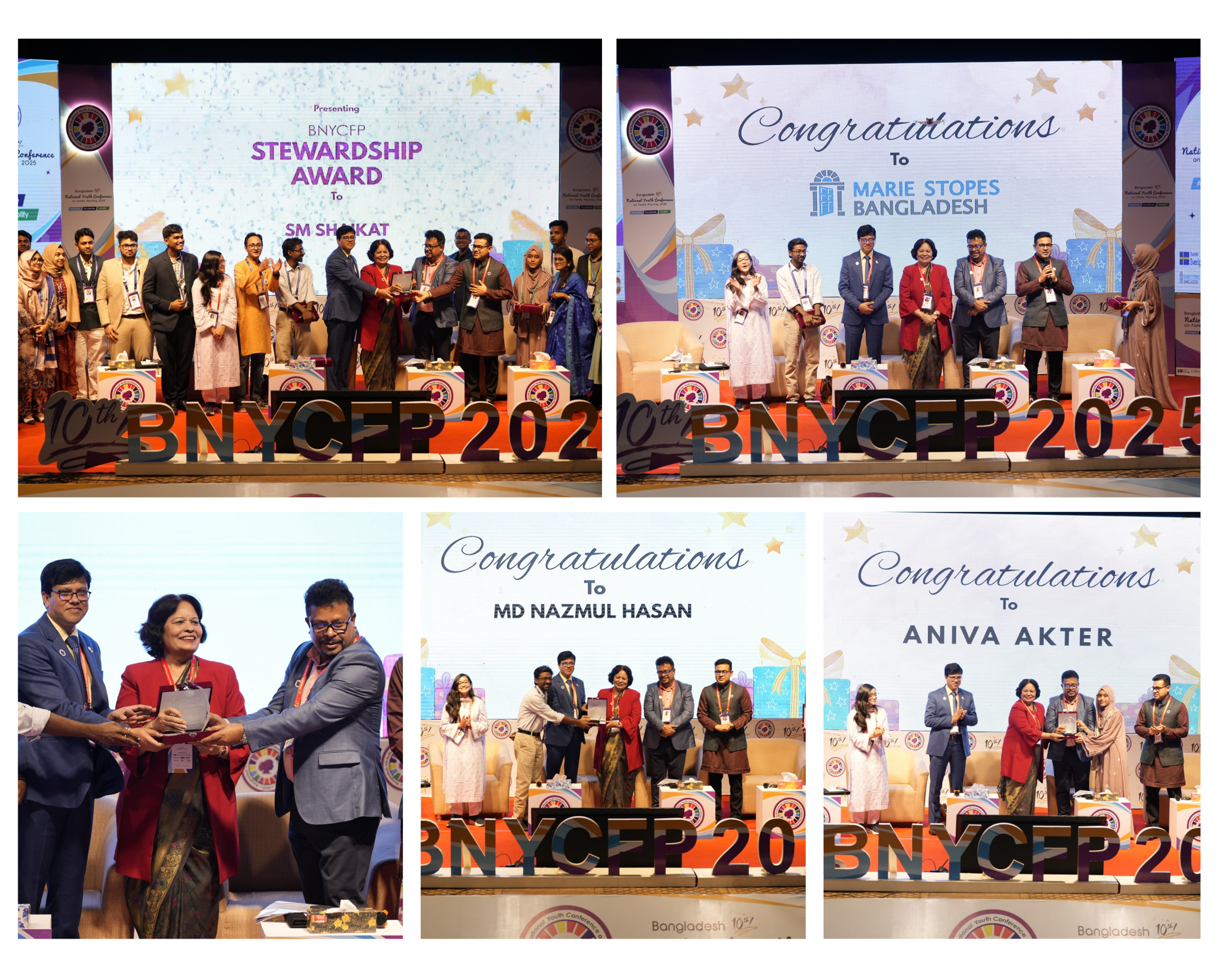
The Bangladesh 10th National Youth Conference on Family Planning closed with a special awards ceremony recognizing outstanding contributions to the SRHR sector. Aniva Akter received the Adolescent Champion Award, Md. Nazmul Hasan was honored with the Youth Excellence Award, Dr. Halida Hanum Akhtar received the Lifetime Achievement Award, Marie Stopes Bangladesh was recognized with the Exemplary Partnership Award, and SM Shaikat was honored with the BNYCFP Stewardship Award in recognition of his visionary leadership and unwavering dedication, celebrating his 10 years of invaluable support and commitment as Secretary General, during which his guidance and passion have been instrumental in empowering youth and advancing the conference’s mission.
 At the conclusion of the Bangladesh 10th National Youth Conference on Family Planning, a significant and symbolic announcement marked the beginning of a new chapter in this decade-long youth-led movement. In recognition of the evolving priorities of young people and the expanding scope of youth-centered health advocacy, the conference officially unveiled its new name: Bangladesh National Youth Conference on Health and Wellbeing.
From next year onward, the conference will be organized under this new name, reflecting a broader, more holistic vision that goes beyond family planning to fully embrace adolescent and youth health, mental well-being, nutrition, climate resilience, gender equality, and overall wellbeing. This transformation signals a strengthened commitment to addressing the interconnected health and social challenges faced by young people in Bangladesh, while continuing to place youth leadership, rights, and innovation at the center of policy dialogue and action.
As the movement moves forward under its new identity, the Bangladesh National Youth Conference on Health and Wellbeing will continue to serve as a national platform where youth voices shape systems, influence policies, and drive inclusive and sustainable change- carrying forward the same spirit of advocacy, acceleration, and amplification that has defined the conference for the past decade.