
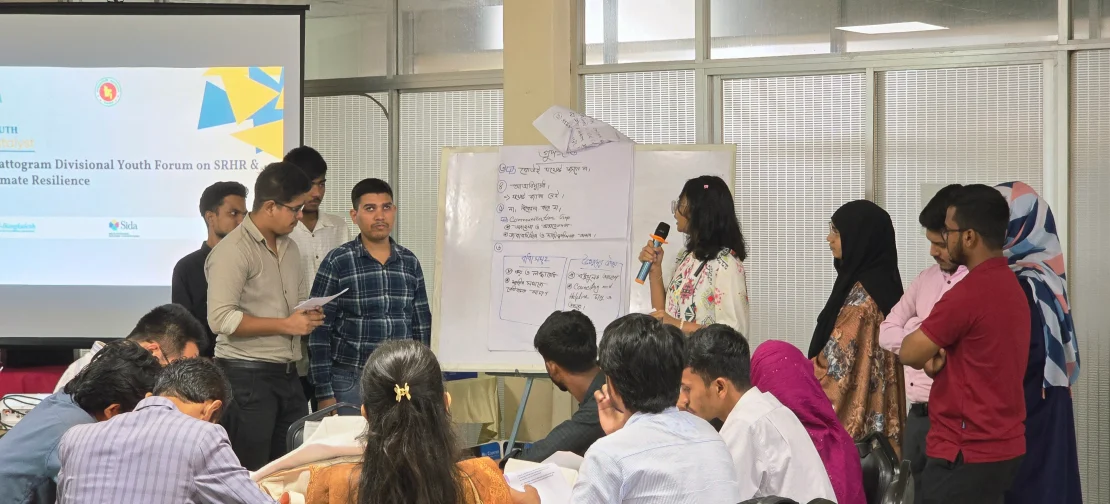
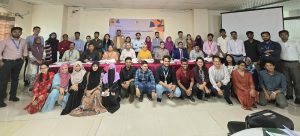
 Over 50 young leaders from coastal areas, hill tracts, and marginalized communities of Chattogram Division gathered for a day-long youth workshop on climate change and sexual & reproductive health and rights (SRHR). The workshop was organized by SERAC-Bangladesh under the Youth Catalyst project, with support from UNFPA Bangladesh and funding from Sida.
The event aimed to capture youth perspectives on how climate change disrupts access to SRHR services and to develop recommendations for a national white paper that will guide future policies.
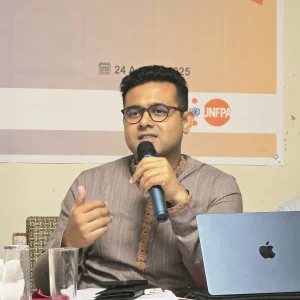
In his keynote, SM Shaikat, Executive Director of SERAC-Bangladesh, highlighted “We must bring the voices of youth from climate-risk zones into the national policy dialogue. Strengthening youth capacity and aligning policies with the SDGs will ensure sustainable progress.”
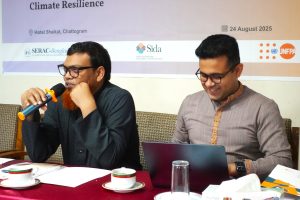 Dr. Mohammad Munir Hossain, Program Analyst at UNFPA Bangladesh, emphasized: “New initiatives must be designed based on youth experiences to ensure sustainable SRHR solutions. UNFPA’s goals—zero unmet need for family planning, zero gender-based violence, and zero maternal deaths—cannot be achieved without youth voices.”
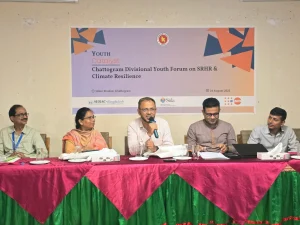 Abu Saleh Md. Forkan Uddin, Director of Chattogram Divisional Family Planning Department, said, “Adolescents and young people have the right to health services, but they also share the responsibility of caring for their own well-being. Alongside family planning, moral values and social awareness are vital for building a responsible next generation.”
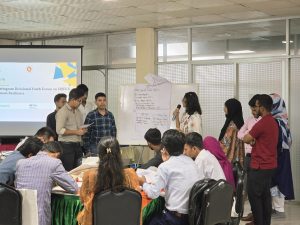
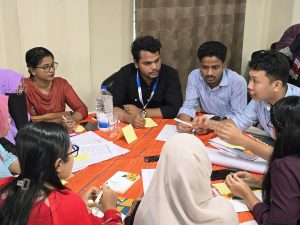
The workshop opened with welcome remarks from SM Shaikat, Executive Director of SERAC-Bangladesh, and was chaired by Abu Saleh Md. Forkan Uddin, Director of the Chattogram Divisional Family Planning Department. Md. Selim Mia, Deputy Director (Programs) of SERAC-Bangladesh, moderated the event, which featured guest remarks from Dr. Jahangir Alam, Civil Surgeon of Chattogram; Golam Basir Ahmed, Assistant Director, Department of Environment; Atiya Chowdhury, Deputy Director, Department of Women Affairs; Begum Sahan Waj, Deputy Director, District Family Planning Department; and Dr. Mohammad Munir Hossain, Program Analyst at UNFPA Bangladesh. Group discussions were facilitated by Mizanur Rahman Akand, Advocacy Specialist at SERAC-Bangladesh, with support from Omar Faruk Khan, Finance & Admin Coordinator; Enamul Haque, Communications Officer; and Md. Abu Taiyob, Divisional Coordinator.
From rising sea levels to frequent cyclones and hill tract landslides, Chattogram’s climate vulnerabilities directly affect access to health services. By engaging young people in shaping solutions, Bangladesh takes a crucial step toward climate-resilient, inclusive, and youth-friendly SRHR services.