
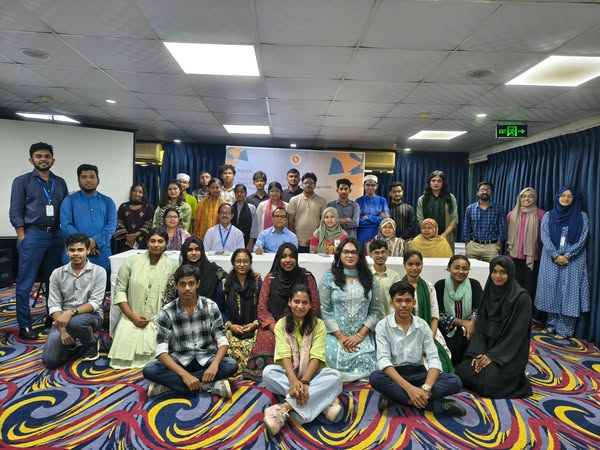
Urban Youth Workshop Highlights Barriers to SRHR Access in Dhaka
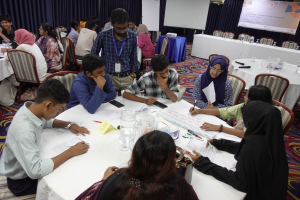 Dhaka, 28 September 2025 – SERAC-Bangladesh organized an Urban Youth Workshop in Dhaka to highlight the challenges young people face in accessing sexual and reproductive health and rights (SRHR) services in a rapidly urbanizing and climate-stressed city.
The one-day workshop, organized by SERAC-Bangladesh with support from UNFPA Bangladesh and funding from the Swedish International Development Cooperation Agency (Sida), brought together 30 youth representatives from marginalized and underserved communities across Dhaka. Participants shared that distance, severe traffic congestion, lack of awareness about available services, poverty, and the pressures of unplanned urbanization often hinder their access to timely SRHR services.
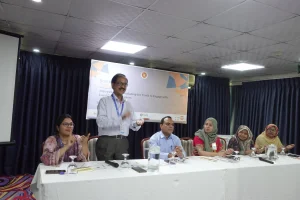 The workshop was chaired by Md. Abdul Baten, Deputy Director, Family Planning Office–Dhaka, and attended by distinguished guests including Dr. Sarkar Farhana Kabir, Deputy Civil Surgeon, Dhaka Civil Surgeon Office; Nazneen Akhtar, Deputy Director, Department of Women Affairs; and Jesmin Akter, Assistant Director, Department of Environment–Dhaka.
In his remarks, Md. Abdul Baten emphasized:
“There should not be any barriers to young people accessing sexual and reproductive health services. It is essential that we listen to the challenges they face and address them effectively. We will extend all possible support, and based on their inputs, necessary policy measures will be taken at the national level.”
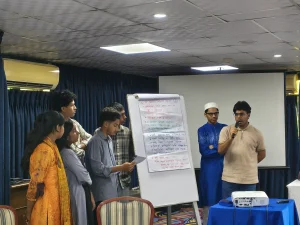 The workshop also featured contributions from the SERAC-Bangladesh team, including Shahina Yasmin, Program Lead; Md. Salim Mia, Deputy Director (Programs); Mizanur Rahman Akanda, Advocacy Specialist; Md. Nazmul Hasan, Innovation and Youth Specialist; Md. Omar Faruk Khan, Finance and Admin Coordinator; Ruhiyat Tasnim, MEL Officer; Enamul Haque Rony, Communication Officer; and intern Anika Tabassum.
This initiative is part of the Youth Catalyst Project, which seeks to ensure that youth perspectives are reflected in policymaking and will contribute to a forthcoming National White Paper on climate-resilient, youth-centered health services.