
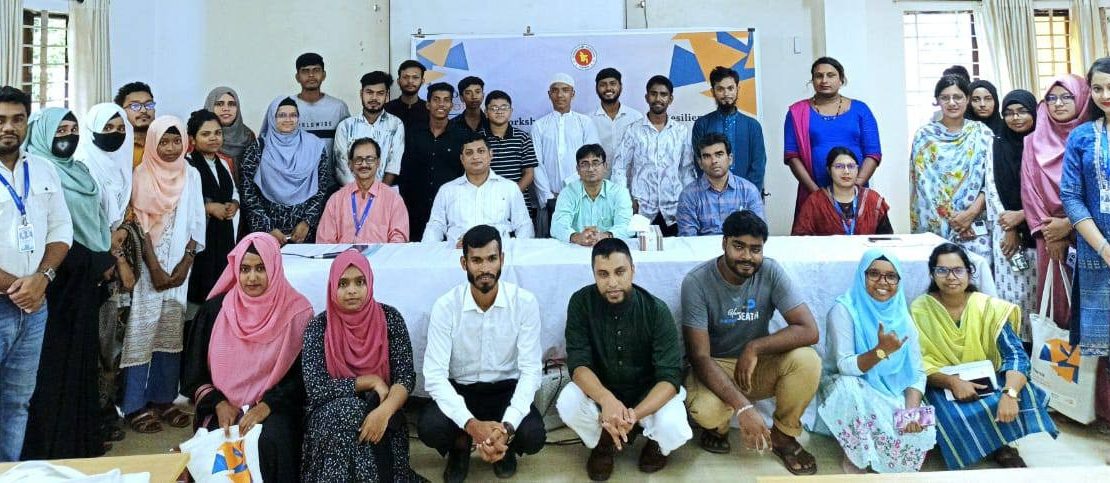
Netrokona, a district surrounded by rivers, wetlands, and haor areas, faces frequent floods and waterlogging that affect people’s daily lives. These challenges also make it difficult for women and young people to access Sexual and Reproductive Health and Rights (SRHR) services.
 To address these issues and ensure active youth participation in bringing change, a youth workshop titled “Youth-Led Workshops on SRHR and Climate Resilience in Haor” was held in Netrokona.
The workshop was organized under the Youth Catalyst project, implemented by SERAC-Bangladesh with support from UNFPA Bangladesh and funding from the Swedish development agency, Sida. The project aims to engage young people across divisional cities and climate-vulnerable districts in building climate-resilient, inclusive, and health-conscious communities.
The event was moderated by Md. Salim Miah, Deputy Director (Program) of SERAC-Bangladesh. Md. Rafiqul Islam, Deputy Director, Department of Family Planning, Netrokona, presided over the session. Special guests included Dr. Ahsan Khan, Upazila Health and Family Planning Officer, Netrokona Sadar, and Md. Abdullah Al Matin, Assistant Director, Department of Environment, Netrokona.
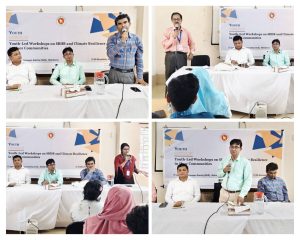 In his remarks, Md. Rafiqul Islam emphasized that for the youth in the haor region, climate change is not an abstract concept—it is their daily reality. To ensure SRHR for all, it is essential to prioritize the experiences and voices of young people. Alongside government bodies, NGOs, and development partners, this young generation can be the most powerful driving force for sustainable change.
The workshop was facilitated by Shahina Yasmin, Program Lead, with support from Md. Kamran Mia, Network Officer, and Katha Mondol Drishti, Program Development Associate at SERAC-Bangladesh.
A total of 30 young participants, from including diverse gender representation from various upazilas of Netrokona, took part in the workshop. Through group discussions, experience sharing, and proposal-building sessions, participants highlighted how floods and waterlogging make it extremely difficult to access health centers—especially for women and adolescent girls.
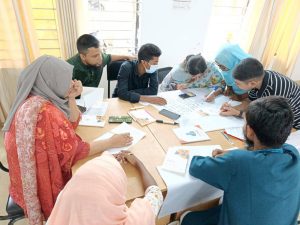 The opinions, experiences, and recommendations gathered from the workshop will be compiled into a national white paper in the future, providing crucial guidance for developing climate-resilient, inclusive, and youth-friendly SRHR services in Bangladesh.