
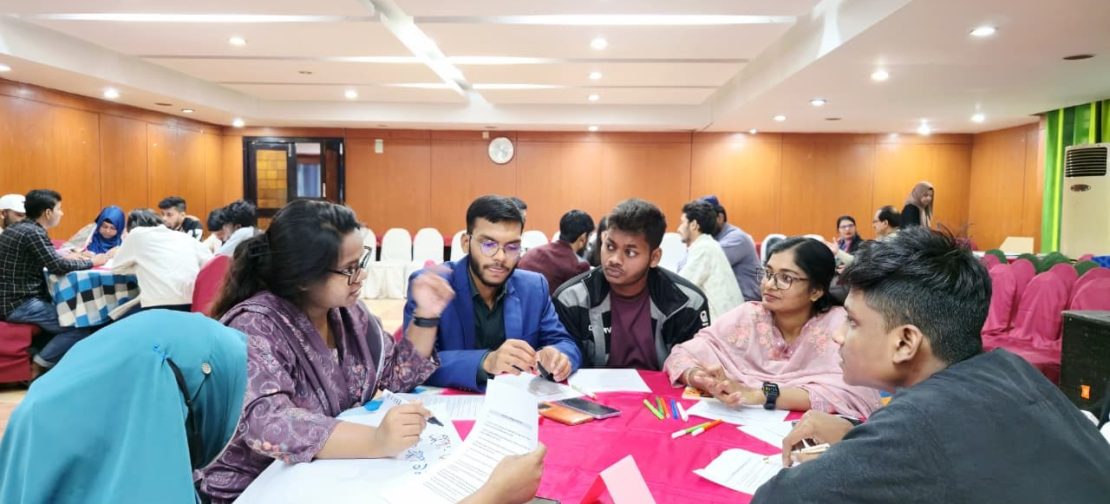
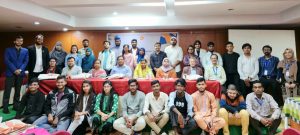
 Under the Youth Catalyst project of SERAC-Bangladesh, a day-long workshop on Sexual and Reproductive Health and Rights (SRHR) and climate change was organized in the Rajshahi division with active participation from young people. A total of 30 youth representatives from various districts and climate-vulnerable areas of the division took part in the workshop.
Funded by UNFPA Bangladesh and the Swedish development cooperation agency Sida, the Youth Catalyst project is being implemented across divisional cities and climate-vulnerable districts throughout the country.
The main objective of the forum was to formulate a national white paper recommending policy changes for SRHR services, based on the lived experiences and opinions of young people from climate-sensitive regions.
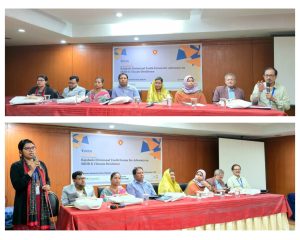 The Rajshahi Divisional Youth Forum was presided over by Dr. Kasturi Amina Queen, Director, Family Planning Department, Rajshahi Division, and moderated by Md. Selim Mia, Deputy Director (Program), SERAC-Bangladesh.
Distinguished guests included:
Dr. S.I.M. Rajiul Karim, Civil Surgeon, Rajshahi
Md. Abdur Razzak, Deputy Director, Department of Family Planning, Rajshahi
Mst. Tasmina Khatun, Deputy Director, Department of Environment, Rajshahi
Ferdous Rabeya, Hostel Superintendent, Working Women’s Hostel, Rajshahi
Wahi-ur-Rahman Babu, Social Worker
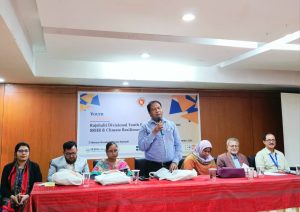 In her speech, Dr. Kasturi Amina Queen said, “The future of the country lies in the hands of our youth, and their contribution is crucial in building a prosperous Bangladesh. Ensuring the physical and mental well-being of adolescents is essential, and more strategic initiatives are needed for this. The Family Planning Department has already appointed counselors for mental health services at district health complexes. Additionally, given the recent rise in child marriage in Rajshahi, effective steps are required to enhance awareness on SRHR among adolescents.”
Dr. S.I.M. Rajiul Karim, Civil Surgeon, added, “In our health system, we see dedicated service corners for mothers, children, freedom fighters, and senior citizens, but none specifically for adolescents and youth. One-third of Bangladesh’s population is now young — we must prioritize them. That is why we are establishing adolescent-friendly health service corners.”
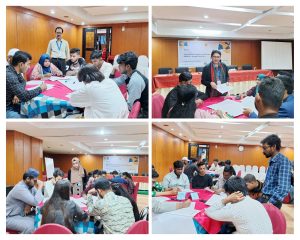 Group discussions during the forum were facilitated by Shahina Yasmin, Program Lead, SERAC-Bangladesh, and Md. Nazmul Hasan, Innovation & Youth Specialist. Also present were Md. Omar Faruk Khan, Finance Coordinator, and Ruhiyat Tasnim, PMEL Officer.
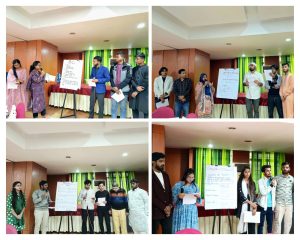 Youth participants expressed their opinions through a structured questionnaire, based on which experts highlighted relevant policy recommendations. It is expected that these recommendations will play a significant role in shaping future national policy decisions.